When to Avoid a Medication Family After a Severe Drug Reaction
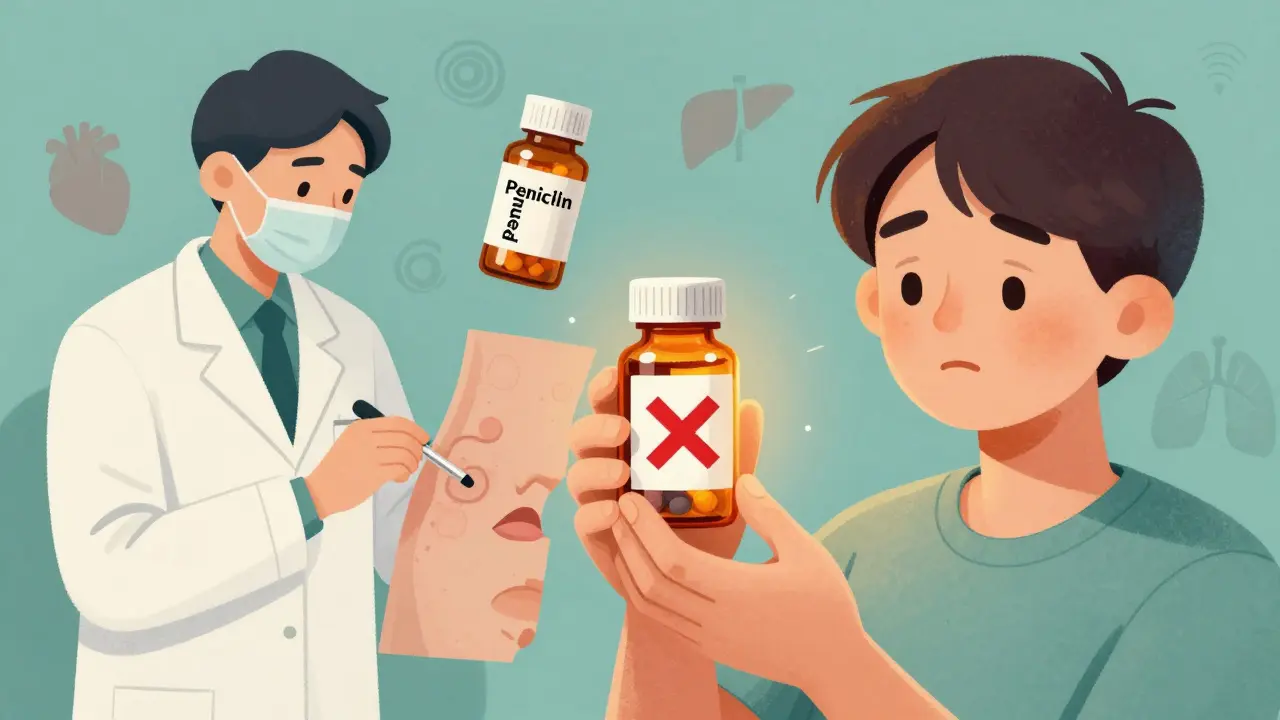
Not every severe drug reaction means avoiding the whole medication class. Learn when true allergies require avoidance-and when it's safe to try alternatives after proper testing.
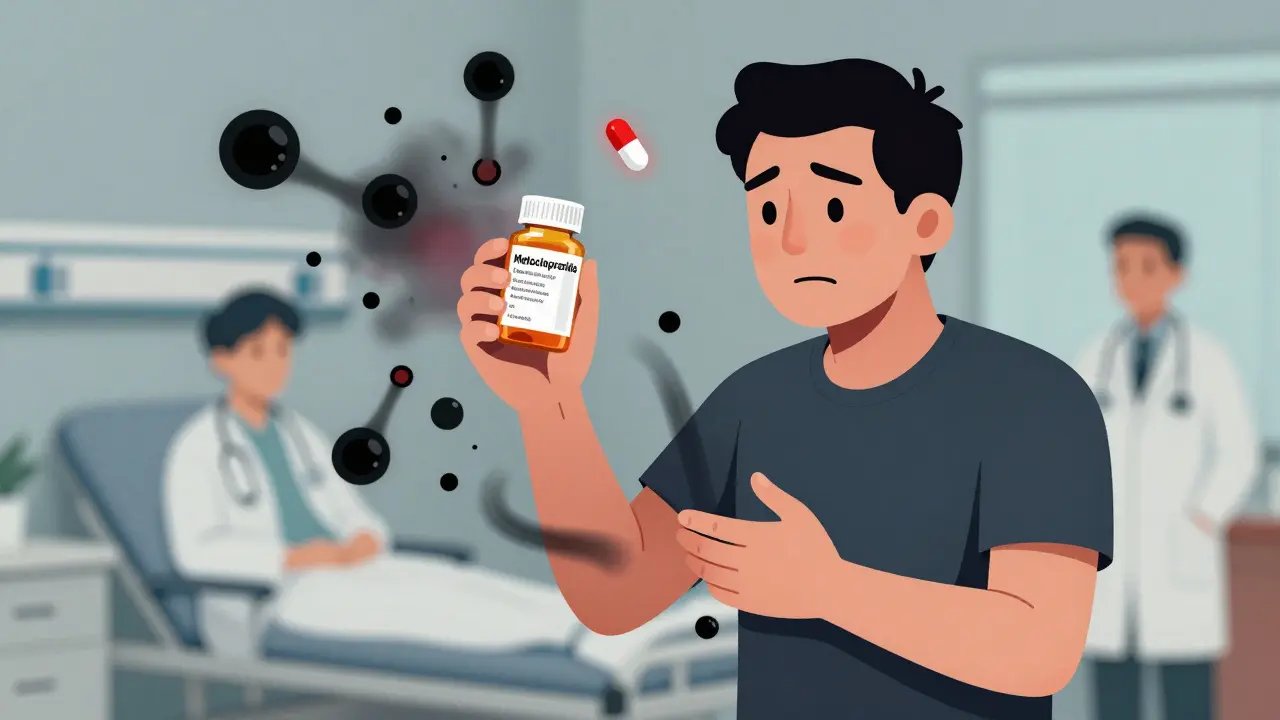
Many anti-nausea drugs block dopamine and can severely worsen Parkinson’s symptoms. Learn which medications are dangerous, which are safe, and how to protect yourself from harmful interactions.
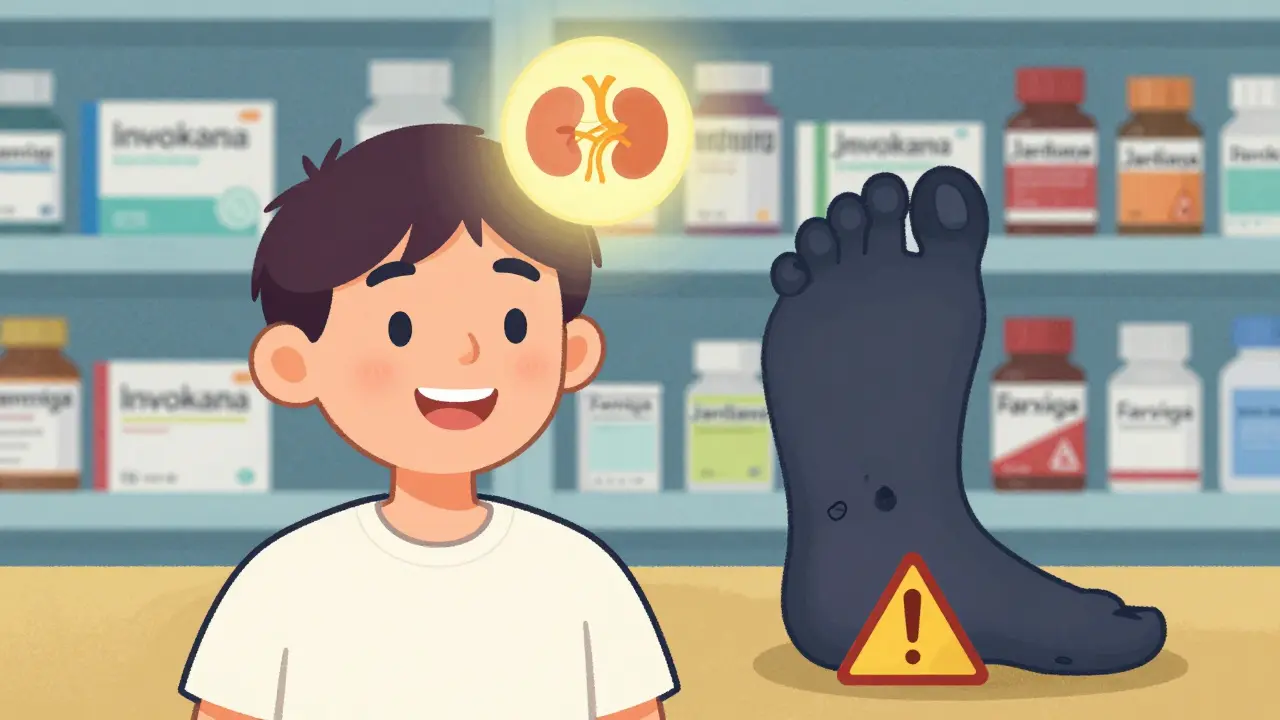
Canagliflozin (Invokana) carries a real but manageable risk of foot amputations, especially in people with diabetes-related foot complications. Learn who's at risk, how to prevent it, and what alternatives exist.
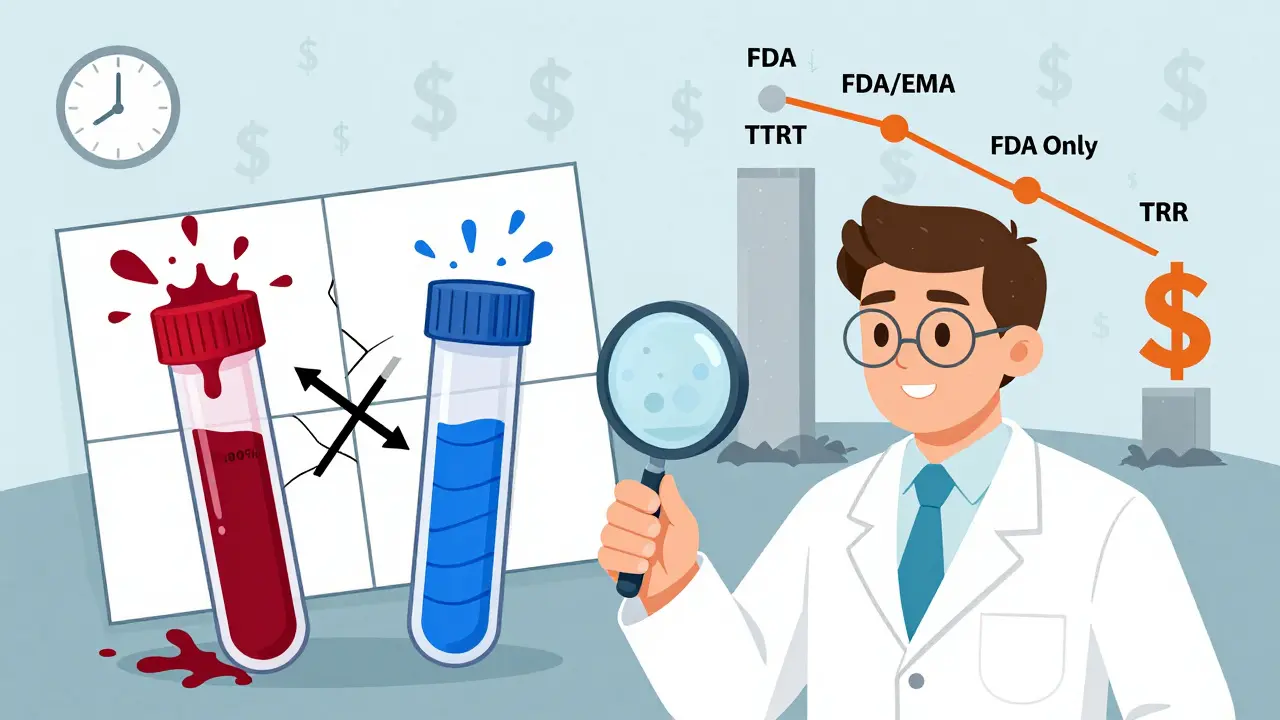
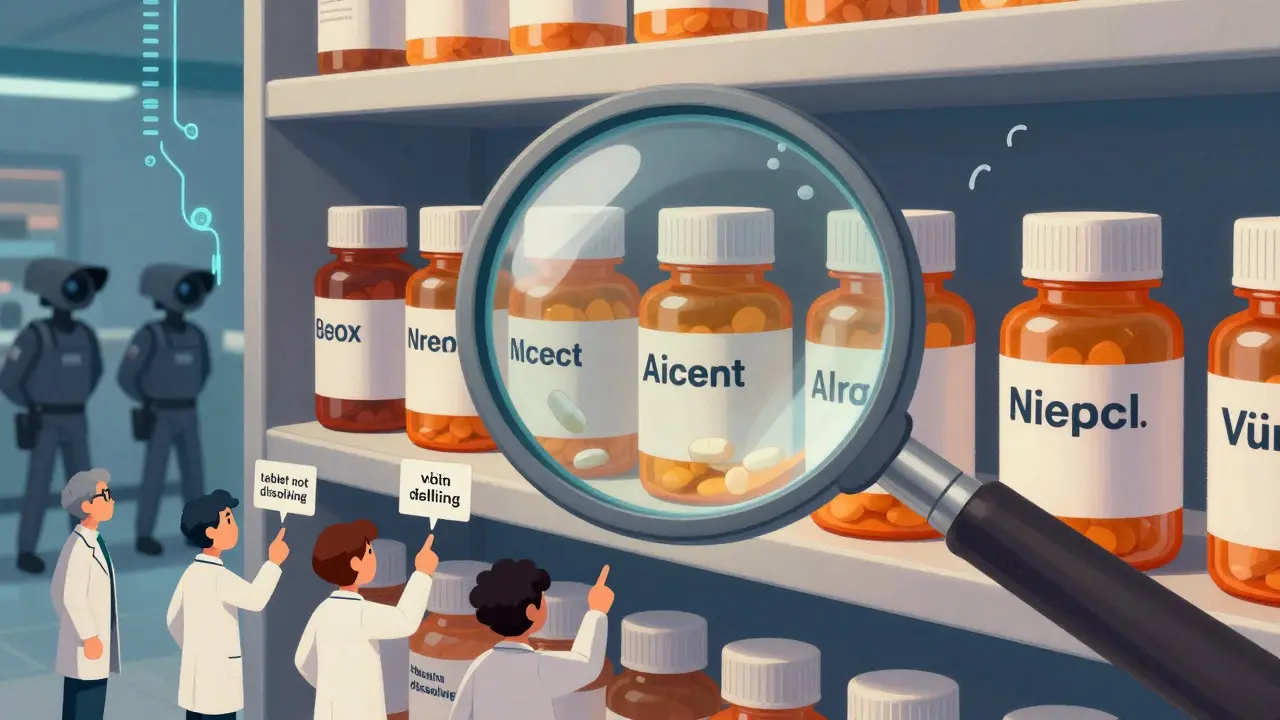
The FDA doesn't test generic drugs after approval-but it monitors them closely through millions of reports, manufacturing data, and AI tools to catch safety issues like faulty pills or inconsistent dosing. Here's how it works.
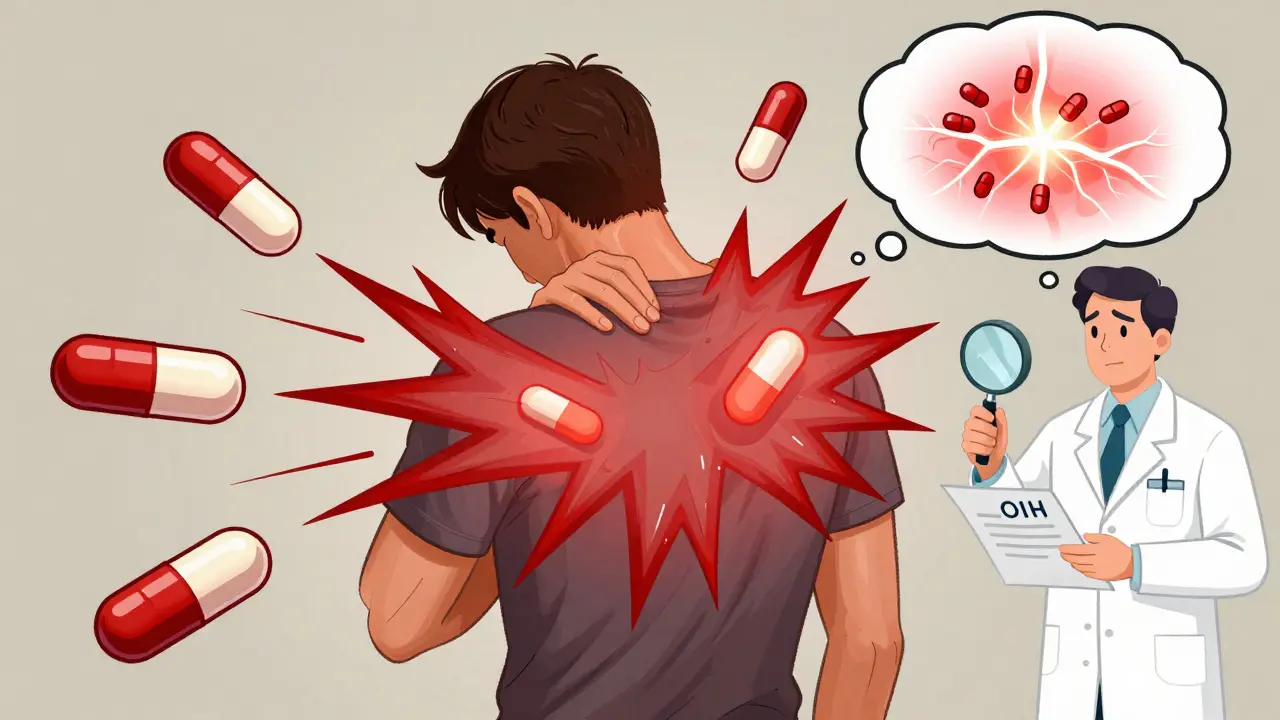
Opioid-induced hyperalgesia causes increased pain sensitivity from long-term opioid use. Learn how to recognize its signs, distinguish it from tolerance, and manage it with dose reduction, alternative opioids, and NMDA blockers like ketamine.
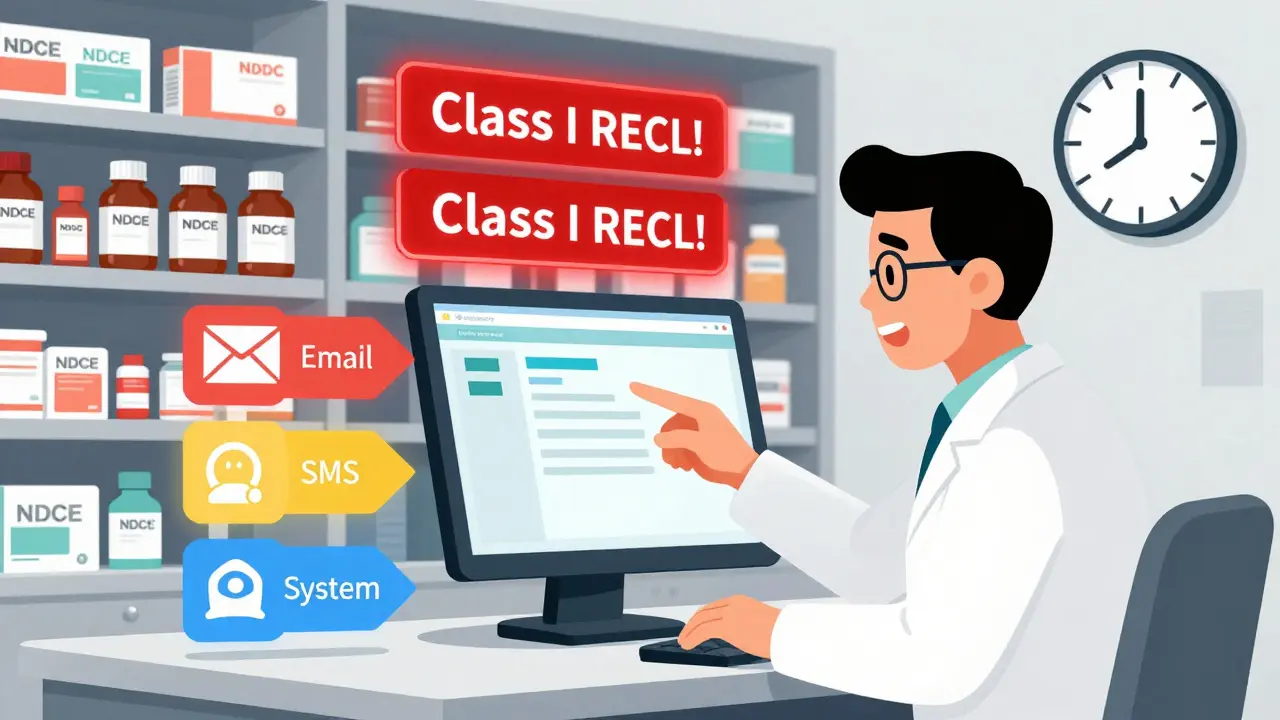
Learn how to check for pharmacy-level drug recall notifications in 2026 using FDA alerts, wholesaler systems, and pharmacy software. Avoid missed recalls that put patients at risk and violate federal law.
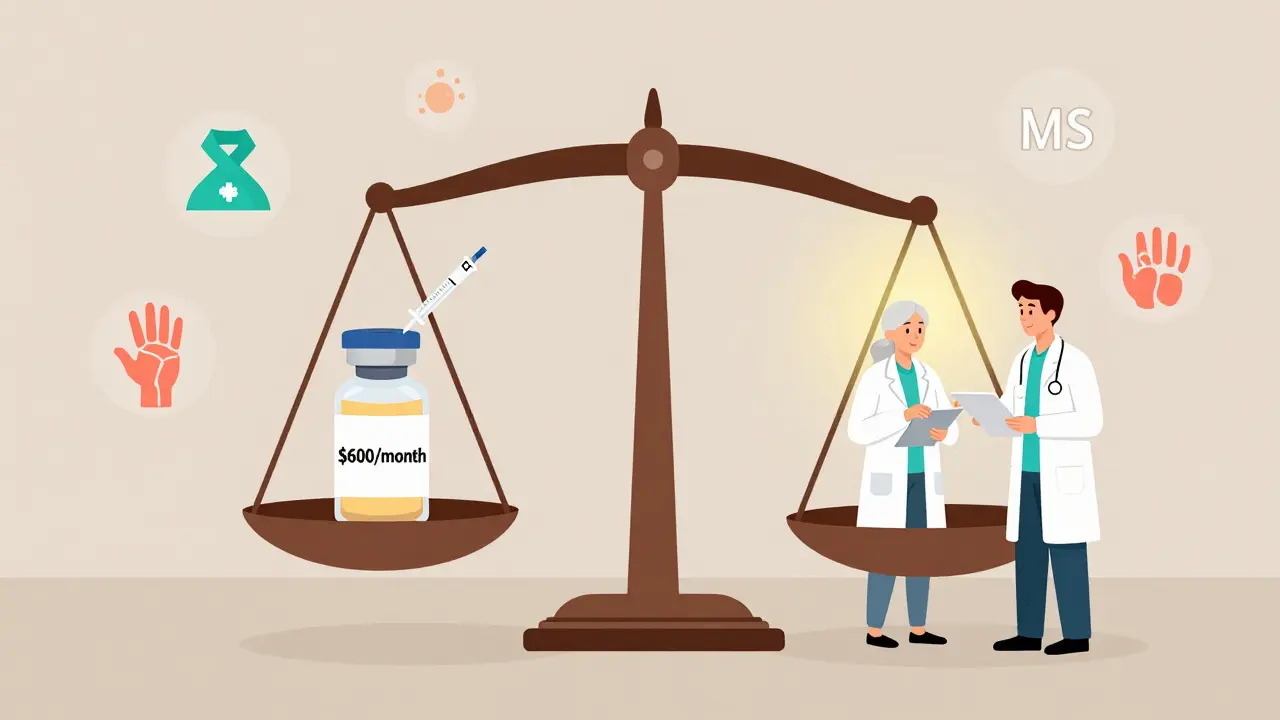
Specialty medications and injectables are driving up healthcare costs, but proven strategies like biosimilars, narrow pharmacy networks, and treatment setting shifts can cut spending by 20% or more without sacrificing care.
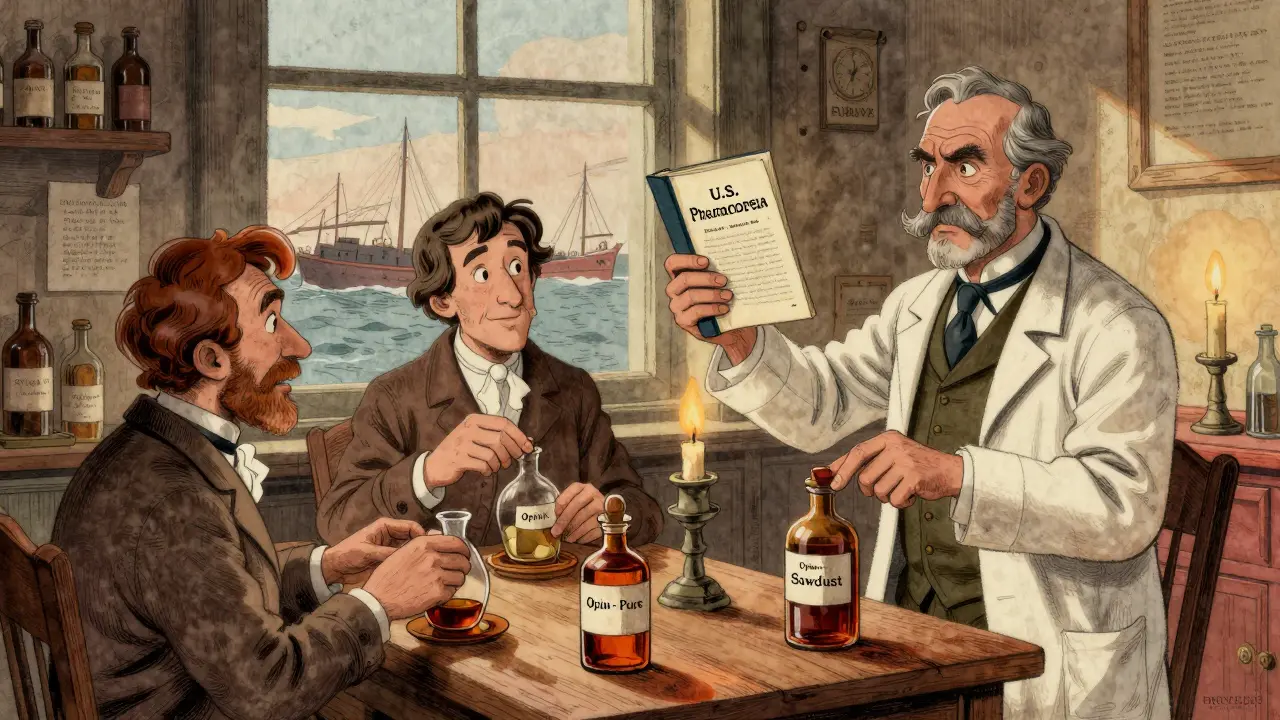
Generic drugs now make up over 90% of U.S. prescriptions, saving $373 billion in 2021 alone. Their rise was driven by landmark laws like the Hatch-Waxman Act, FDA reforms, and cost-saving policies - not luck.
Accidental pediatric medication overdoses are common but preventable. Learn how to store medicines safely, avoid dosing errors, recognize overdose signs, and respond quickly with proven strategies backed by the CDC and pediatric experts.
Complex polypharmacy in mental health is growing, especially among older adults and those with chronic conditions. Learn when multiple psychiatric medications are necessary, when they're risky, and how to safely reduce unnecessary drugs.
Learn how to get FDA-required Medication Guides for your prescription drugs. Know your rights, where to find them, and how to request electronic copies. Stay safe with clear, official safety information.
Learn how to properly store light-sensitive medications and eye drops to maintain their effectiveness. Avoid common mistakes like bathroom storage and clear containers. Keep your meds dark, cool, and safe.