
Medication-Induced Thrombotic Thrombocytopenic Purpura: A Life-Threatening Reaction You Need to Know
 Jan, 31 2026
Medication TTP Risk Checker
Medication Risk Assessment Tool
Check if your current medication is associated with thrombotic thrombocytopenic purpura (TTP), a rare but life-threatening blood disorder. This tool identifies high-risk medications and critical warning signs.
Risk Level
Mechanism
Typical Onset
Critical Warning Signs
What To Do Next
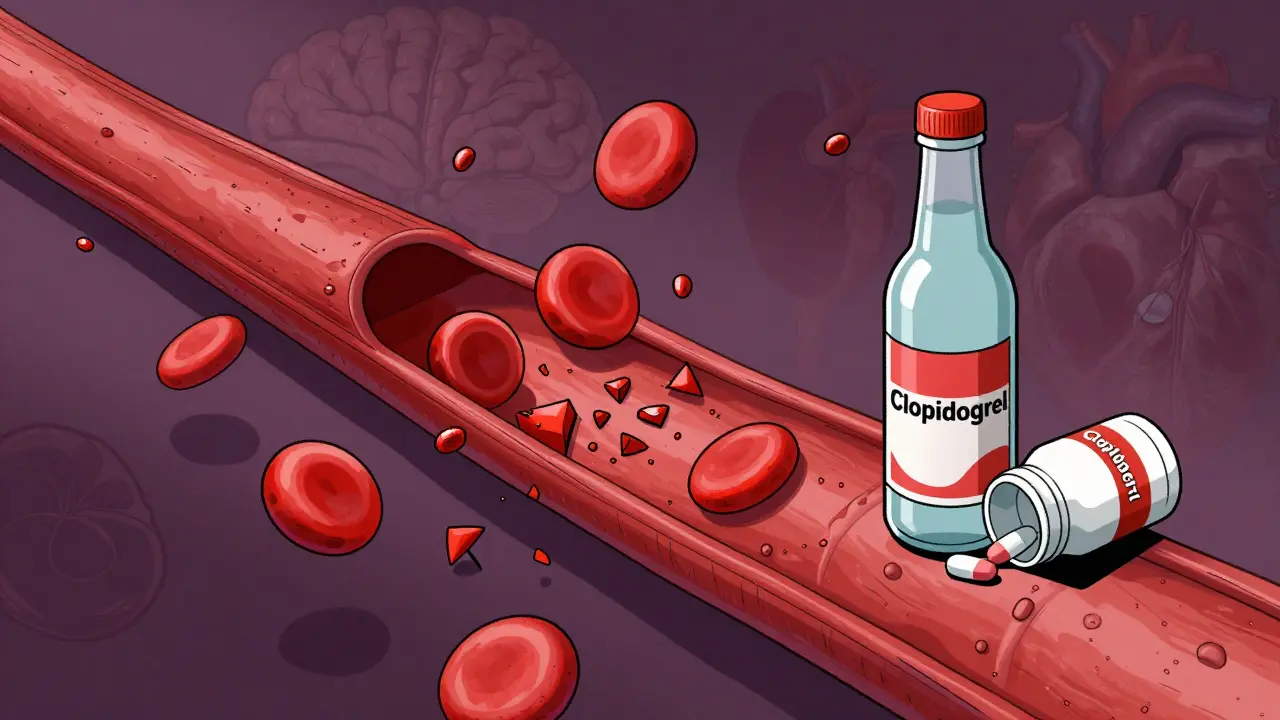
When you take a new medication, you expect relief - not a life-threatening crisis. But for some, a common drug can trigger thrombotic thrombocytopenic purpura (TTP), a rare but deadly condition that attacks the blood and organs. It doesn’t happen often, but when it does, it moves fast. Platelets crash. Red blood cells shred. Organs fail. And if you don’t recognize it in time, you could die.
What Exactly Is Drug-Induced TTP?
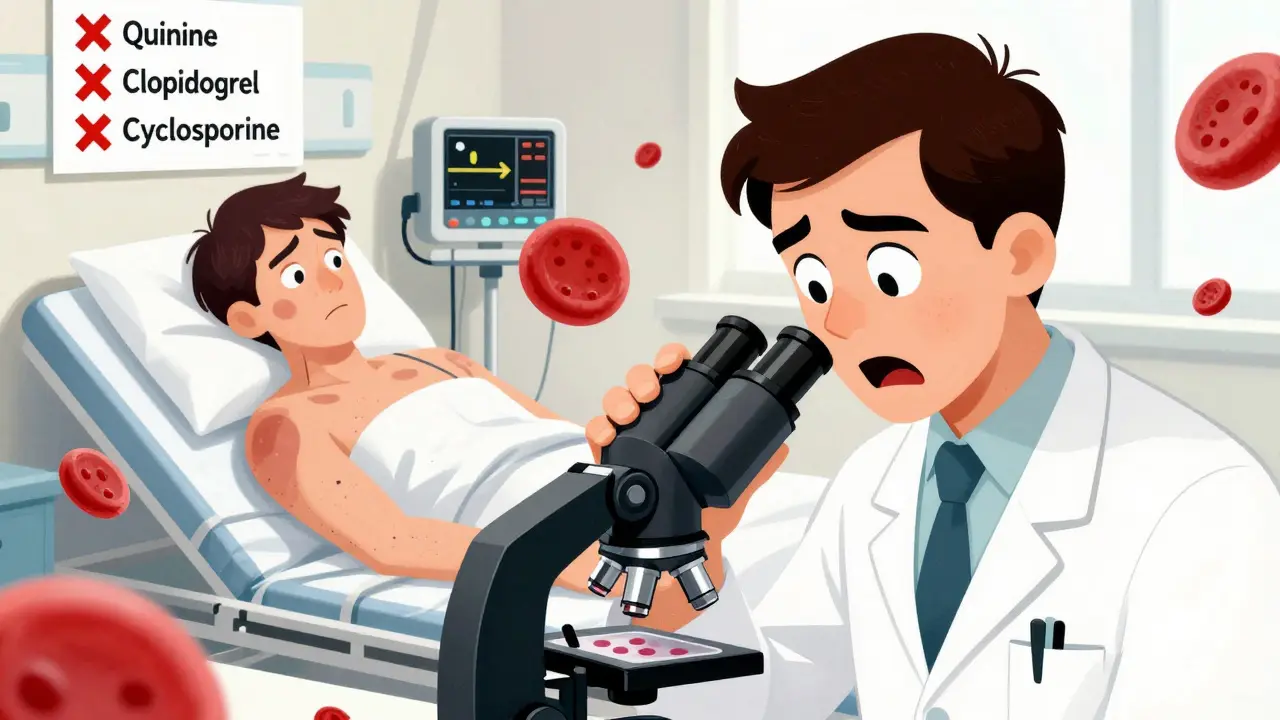
Thrombotic thrombocytopenic purpura is a blood disorder where tiny clots form in small blood vessels throughout the body. These clots use up platelets, leaving you with dangerously low levels - sometimes below 15,000 per microliter (normal is 150,000-450,000). At the same time, red blood cells get torn apart as they squeeze through these clots, causing anemia. You’ll see fragments of broken cells - called schistocytes - on a blood smear. Your body can’t keep up. Organs like the kidneys, brain, and heart start to suffer from lack of oxygen and blood flow.
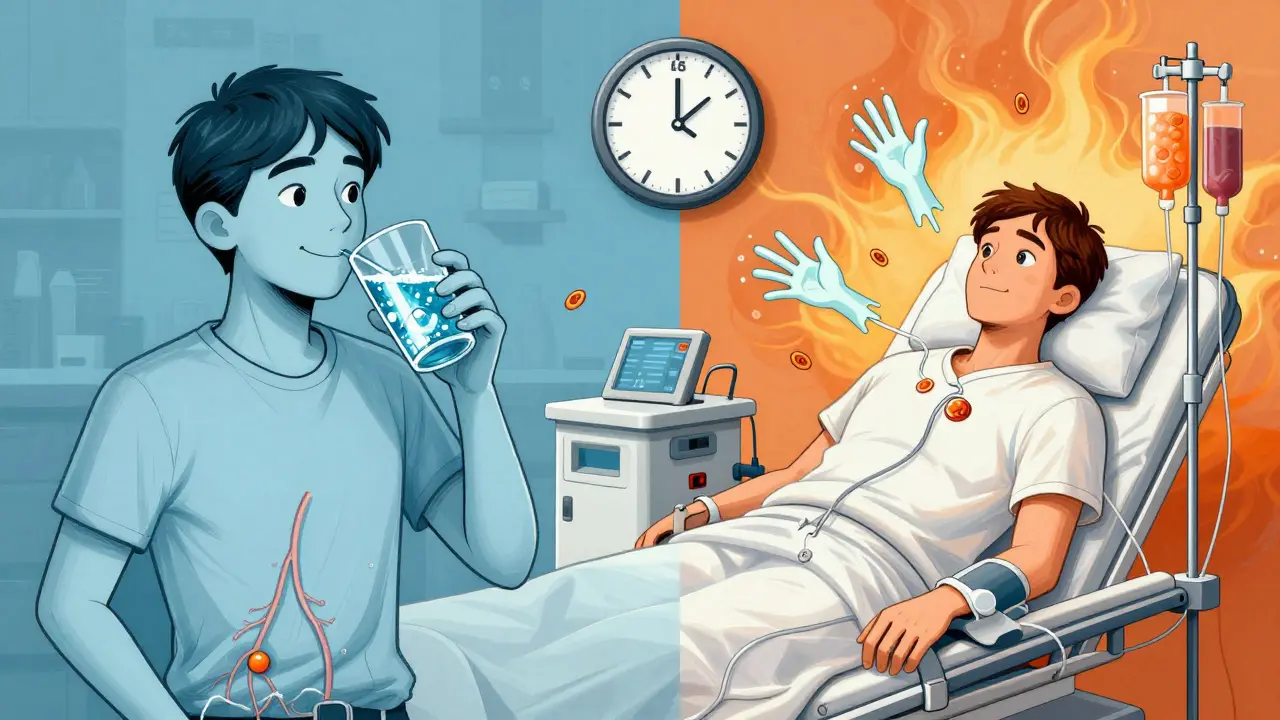
What makes drug-induced TTP different from the inherited kind is that it’s triggered by a medication. Over 300 drugs have been linked to it, but only about 20 have strong, proven connections. The most dangerous? Quinine, clopidogrel, ticlopidine, cyclosporine, and mitomycin C. And yes - quinine isn’t just in prescription pills. It’s in tonic water. People drinking two or three glasses a day for weeks have developed TTP.
How Do Medications Cause This?
There are two main ways drugs cause TTP - and they’re very different.
The first is immune-mediated. Your body makes antibodies that attack your own platelets - but only when the drug is present. Think of it like a lock and key. The drug is the key that unlocks the antibody’s ability to stick to platelets. This is how quinine and clopidogrel work. Even if you’ve taken the drug before without issue, your immune system can suddenly decide it’s a threat. Once you stop the drug, the antibodies fade, and recovery often starts within 48 hours.
The second way is direct toxicity. Drugs like cyclosporine and mitomycin C damage the lining of blood vessels over time. This isn’t about your immune system. It’s about cumulative damage. You might be on the drug for six months or more before symptoms show up. This type doesn’t respond as well to plasma exchange. The only real fix is stopping the drug - and waiting for your blood vessels to heal.
Which Drugs Are the Biggest Risks?
Not all drugs carry the same danger. Some are well-known triggers. Others are quietly dangerous because people don’t realize they’re involved.
- Quinine: Found in tonic water, leg cramp pills, and some malaria treatments. One case of TTP occurs for every 10,000 prescriptions. But because tonic water is sold over the counter, people don’t connect it to the illness. At least 12 documented cases come from drinking just 2-3 glasses daily.
- Clopidogrel (Plavix): A common antiplatelet drug after heart attacks or stents. TTP happens in about 1 in 26,000 users. Symptoms usually appear within two weeks. Many doctors miss it because they assume it’s just low platelets from another cause.
- Ticlopidine: Once widely used, but now rare due to its high risk. The FDA issued a black box warning in 2010 after 1 in 1,600 users developed TTP. Sales dropped 86% in three years.
- Cyclosporine: Used in transplant patients. Up to 15% of those on high doses develop TTP. It’s dose-dependent - the longer you’re on it, the higher the risk.
- Mitomycin C: A chemotherapy drug. TTP often appears after months of treatment. Recovery is slow, and kidney damage can be permanent.
- Checkpoint inhibitors: Newer cancer drugs like pembrolizumab and nivolumab. Around 47 cases reported since 2020. These can cause TTP even after just one or two doses.
Even some antibiotics, antidepressants, and herbal supplements have been flagged in case reports. The key is timing: did symptoms start within days or weeks of starting a new drug?
How Is It Diagnosed?
There’s no single test. Diagnosis is a puzzle made of symptoms, blood work, and timing.
Doctors look for five signs - the classic pentad:
- Low platelets (thrombocytopenia)
- Shattered red blood cells (schistocytes)
- Anemia
- Kidney problems
- Neurological symptoms (headache, confusion, seizures)
But you don’t need all five. Many patients only have three. The most critical clues are low platelets and schistocytes on a blood smear. Lab tests show high LDH (a sign of cell damage) and low haptoglobin (a protein that soaks up freed hemoglobin).
ADAMTS13 enzyme activity is the gold standard. If it’s below 10%, it’s likely immune-mediated TTP. But waiting for those results can be deadly. Treatment should start within 4-8 hours if TTP is suspected - even before the test comes back.
What Happens If You’re Diagnosed?
Time is everything. Delayed treatment increases death risk from 90% to under 20%.
For immune-mediated TTP (quinine, clopidogrel), plasma exchange is the lifeline. Blood is pulled out, the plasma (which contains the bad antibodies) is removed, and replaced with donor plasma. This is done daily until platelets rise and stay above 150,000 for two days straight. Over 80% of patients recover with this.
For toxicity-based TTP (cyclosporine, mitomycin C), plasma exchange doesn’t help much. Stopping the drug is the only real treatment. Supportive care - dialysis for kidney failure, oxygen for brain symptoms - becomes the focus.
New drugs like caplacizumab are showing promise. It blocks the clotting process at the start and can cut recovery time by weeks. But it costs $18,500 per course and isn’t available everywhere.
One thing stays true: never wait. If you’re on any of these drugs and suddenly feel dizzy, confused, or notice unexplained bruising, go to the ER. Tell them you suspect TTP.
Why Is It Often Missed?
Seven out of ten patients are misdiagnosed at first. They’re told they have ITP (immune thrombocytopenia), sepsis, or even the flu.
Why? Because TTP is rare. Most doctors will see one case in their entire career. Platelets are low - so they treat it like ITP with steroids. But steroids don’t help TTP. They delay the right treatment. That’s deadly.
Reddit forums and patient groups are full of stories: “I was sent home three times before they found out.” “My husband had seizures and they thought it was a stroke.” “I lost my job because I was out for six weeks.”
Even the FDA’s own data shows 40% of cases are missed initially. That’s why awareness matters more than ever.
What Can You Do to Stay Safe?
Don’t panic. TTP is extremely rare. But knowledge saves lives.
- If you’re prescribed clopidogrel, ticlopidine, or cyclosporine, know the warning signs: unusual bruising, yellowing skin, dark urine, confusion, or severe fatigue.
- Check your tonic water. If you drink it daily for leg cramps, migraines, or just taste, stop. Quinine isn’t worth the risk.
- Keep a list of all medications - including supplements and OTC products. Bring it to every doctor visit.
- If you’ve had TTP once from a drug, you can never take it again. Even a tiny amount can trigger it again.
- Ask your pharmacist: “Has this drug ever been linked to blood disorders?”
Doctors need to ask better questions too. “Have you started anything new in the last two weeks?” isn’t enough. They need to ask: “Have you been drinking tonic water? Taken any new painkillers? Started a new supplement?”
The Bigger Picture
Drug-induced TTP isn’t going away. As we use more powerful drugs - especially cancer immunotherapies - we’ll see more cases. Pharmaceutical companies now test new drugs for signs of endothelial damage before they hit the market. But that doesn’t catch everything.
The real problem? Underdiagnosis. The mortality rate hasn’t dropped since the 1990s - still 10-20%. Why? Because too many people don’t know what to look for.
It’s not about fear. It’s about awareness. If you’re on a medication and feel something’s wrong - don’t wait. Don’t assume it’s normal. Get checked. Blood tests take minutes. A misdiagnosis can cost you your life.
Medications save lives. But they can also hide deadly risks. Knowing the signs - and speaking up - might be the difference between recovery and tragedy.
Bryan Coleman
February 2, 2026 AT 02:27Just had a patient last month with TTP after drinking tonic water for "leg cramps." Doc thought it was ITP. Two days in the ICU before they figured it out. Never drink tonic water unless you wanna gamble with your kidneys.
Naresh L
February 3, 2026 AT 11:52It’s strange how medicine treats rarity as insignificance. Just because something happens once in 26,000 doesn’t mean it’s not real for the one it happens to. We optimize for averages, but human life doesn’t average out.
Sami Sahil
February 4, 2026 AT 12:11Bro this is wild but so important. I’m telling my aunt to stop her nightly tonic water. She thinks it’s just a drink. Nah fam, it’s a silent killer. Share this with everyone you know.
franklin hillary
February 5, 2026 AT 19:16STOP DRINKING TONIC WATER. I don’t care if you like the taste. I don’t care if it’s "natural." One sip too many and your platelets turn to dust. This isn’t a warning. This is a lifeline. If you’re reading this and you drink it daily - stop now. Your brain will thank you later.
Nancy Nino
February 6, 2026 AT 21:48How delightful. Another post that turns a medical condition into a viral cautionary tale. Truly, nothing says "public health awareness" like dramatic capitalization and fear-mongering about tonic water. I’m sure the FDA is just waiting for Reddit to solve their regulatory failures.
Jaden Green
February 7, 2026 AT 14:51Let’s be honest - this entire article reads like a poorly researched Medium post masquerading as clinical guidance. Yes, TTP is real. Yes, some drugs trigger it. But the implication that casual tonic water consumption is a public health crisis is statistically absurd. You’re conflating case reports with epidemiology. The real problem? Overdiagnosis fueled by online panic. The mortality rate has dropped because doctors are better educated, not because people stopped drinking soda.
Lu Gao
February 7, 2026 AT 19:52So… tonic water = TTP? 😳 I mean, I love my gin and tonic, but now I’m side-eyeing my glass. 🍸💀 Also, I just checked my meds list - no clopidogrel, thank god. But I did take some turmeric capsules last week… should I be worried? 😅
Angel Fitzpatrick
February 8, 2026 AT 23:26This isn’t about drugs. This is about the pharmaceutical-industrial complex deliberately suppressing data on endothelial toxicity. The FDA’s black box warnings? A distraction. The real culprits? Patent extensions, lobbying, and the fact that plasma exchange is a $20,000 cash cow for hospitals. They want you scared of quinine so you don’t ask why caplacizumab costs 18k. This is systemic poisoning disguised as education.
Jamie Allan Brown
February 10, 2026 AT 22:01Thank you for writing this with such clarity. I’m a nurse in rural Scotland and we saw a case last year - a young man who thought tonic water was just a mixer. He didn’t know it had quinine. We got him to the hospital just in time. Awareness saves lives. Please keep sharing these stories - even if they’re uncomfortable.
Nicki Aries
February 12, 2026 AT 17:34I just want to say - thank you for writing this. I’ve been trying to tell my sister for months that her "natural remedy" for leg cramps might be killing her, and she wouldn’t listen. Now I’m forwarding this to her. I’m also printing it out and leaving it on the counter at my doctor’s office. Someone needs to hear this. Thank you for not sugarcoating it.
Melissa Melville
February 13, 2026 AT 18:34So… you’re saying my favorite evening drink is basically poison? 😏 I guess I’ll switch to sparkling water with lime. But honestly, if you’re drinking tonic water daily, you probably have other problems. Like, maybe you’re just bored and need a hobby?
Deep Rank
February 15, 2026 AT 13:07Ugh I knew this was coming. Everyone’s obsessed with quinine now. But what about the other 280 drugs? You think people are gonna stop taking cyclosporine because of one reddit post? Lol. And let’s not forget the 1000s of people who take Plavix and live fine. This is fear porn. You’re not helping. You’re just making people paranoid and distrustful of all meds. Also, your spelling is terrible.
Naomi Walsh
February 17, 2026 AT 00:02The author clearly lacks academic rigor. Case reports are not evidence. The term "strong, proven connections" is misleading without ORs and confidence intervals. Furthermore, the suggestion that plasma exchange is universally effective ignores the heterogeneity of ADAMTS13 deficiency. This is not a public service - it’s a disservice disguised as advocacy.
Bob Cohen
February 18, 2026 AT 14:54Yeah, I get the fear. But let’s be real - if you’re on clopidogrel after a stent, you’re already playing with fire. TTP is the least of your worries. I’d rather worry about GI bleeds or sudden death from arrhythmias. This feels like distraction theater. Still… good reminder to know your meds. I guess.
Ishmael brown
February 20, 2026 AT 06:45Okay but what if it’s not the drug… what if it’s the glyphosate in the tonic water? 🤔 I mean, look at the studies - Roundup messes with your endothelial cells. They’re hiding this. They don’t want you to know the real villain is Big Ag. Quinine? Just a scapegoat. 💀🪴