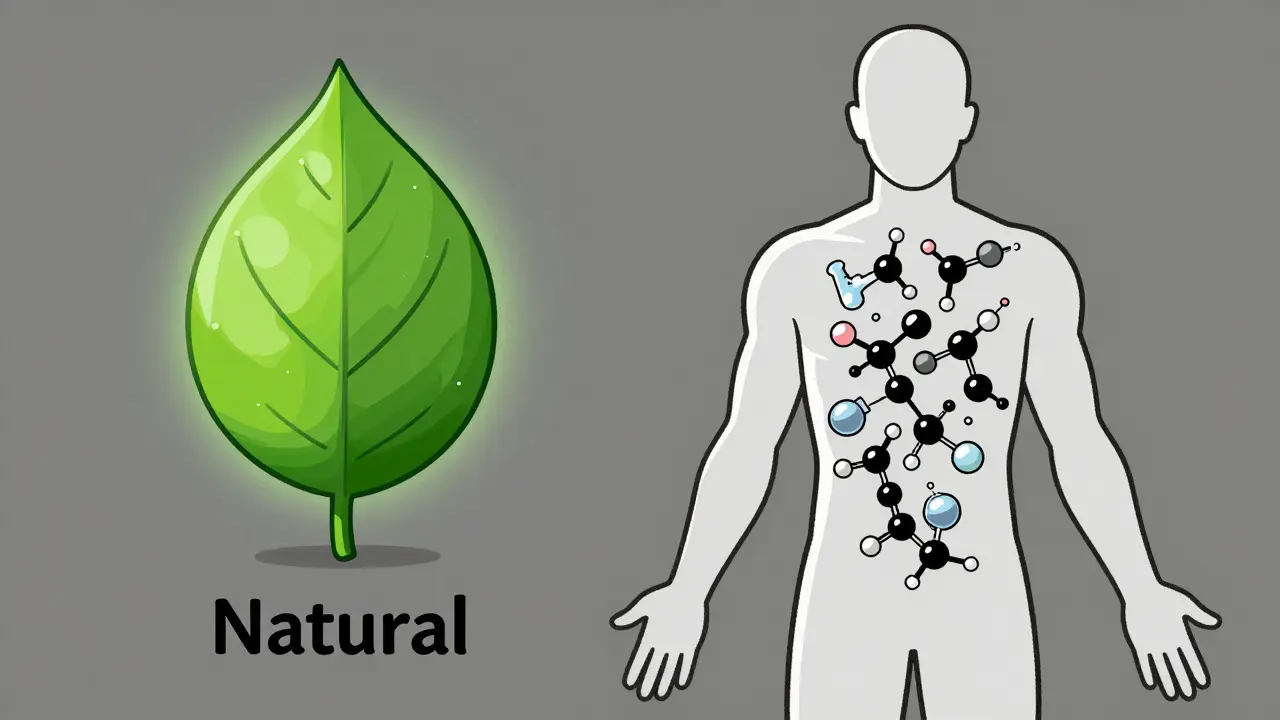
Risks Associated with Any Medication or Dietary Supplement
Discover the hidden risks of medications and dietary supplements. Learn about dangerous drug interactions, regulatory gaps, and how to protect your health from adverse events.

Welcome to the hub where real‑world health tips meet easy‑to‑understand medical facts. Whether you’re looking to fine‑tune your daily routine or need clear answers about a medication, you’ll find straightforward guidance here.
Good habits start with the basics. Brushing and flossing don’t just keep your smile bright; they can lower the risk of lung infections by keeping harmful bacteria out of your airway. A quick 2‑minute rinse after meals, plus a weekly check‑list of flossing, can make a big difference.
Staying active doesn’t require a gym membership. Simple moves like taking the stairs, walking the dog, or doing a 10‑minute stretch routine in the morning get blood flowing and help manage stress. Pair that with a balanced diet rich in fresh veggies, lean protein, and whole grains, and you’ve got a solid foundation for long‑term wellness.
Sleep is another non‑negotiable. Aim for 7‑9 hours in a dark, cool room. If you struggle to fall asleep, try a short breathing exercise – inhale for four seconds, hold for four, exhale for four, and repeat. It’s a quick way to calm the mind without medication.
When a doctor prescribes something like Buspar for anxiety or Lamictal for mood stability, knowing how it works helps you feel in control. Buspar targets brain receptors to ease worry without the drowsiness you get from many sleep aids. Lamictal stabilizes mood by smoothing out electrical signals in the brain, but it’s crucial to follow the dosage plan to avoid rash risk.
Supplements can fill gaps, but they’re not magic pills. For instance, Ash dietary supplement blends nutrients that may boost energy and cognition, yet it works best when paired with a solid diet and exercise plan. Likewise, Superoxide Dismutase offers antioxidant power, but the body absorbs it best from whole foods like tomatoes and berries.
If you’re dealing with a specific condition, like COPD, medication choices matter for both lungs and mental health. Tiotropium bromide can open airways, and many users report feeling less anxious once breathing improves. Always discuss side effects with your provider and keep a symptom journal – it makes follow‑up visits more productive.
Looking for alternatives to a drug with tough side effects? Neurontin (gabapentin) often triggers dizziness or swelling. New non‑opioid options and dose‑sparing combos are emerging in 2025, offering pain relief with fewer drawbacks. Talk to your doctor about the latest options before sticking with an older prescription.
Sexual health topics, such as Malegra DXT for erectile dysfunction and premature ejaculation, deserve honest conversation. The medication combines two active ingredients to help both issues, but understanding how it interacts with other meds is key. Start with a low dose, monitor how you feel, and keep the dialogue open with your healthcare provider.
Infections during pregnancy, like trichomoniasis, can affect both mom and baby. Early testing, symptom awareness, and safe treatment plans are essential. Don’t let stigma delay care – a quick doctor visit can protect your health and your baby’s future.
Every piece of advice on this page is backed by up‑to‑date research and real‑world experiences. Use the checklists, dosage tips, and lifestyle hacks to make informed choices. Remember, health isn’t a one‑size‑fits‑all journey; it’s a series of small, consistent actions that add up over time.
Discover the hidden risks of medications and dietary supplements. Learn about dangerous drug interactions, regulatory gaps, and how to protect your health from adverse events.

Discover why medical alert bracelets are critical for drug safety, preventing ER errors, and saving lives during emergencies when you can't speak.

Discover how Oral Appliance Therapy uses Mandibular Advancement Devices to reduce snoring effectively. Learn about custom vs. OTC options, costs, side effects, and who qualifies for this non-invasive sleep treatment.
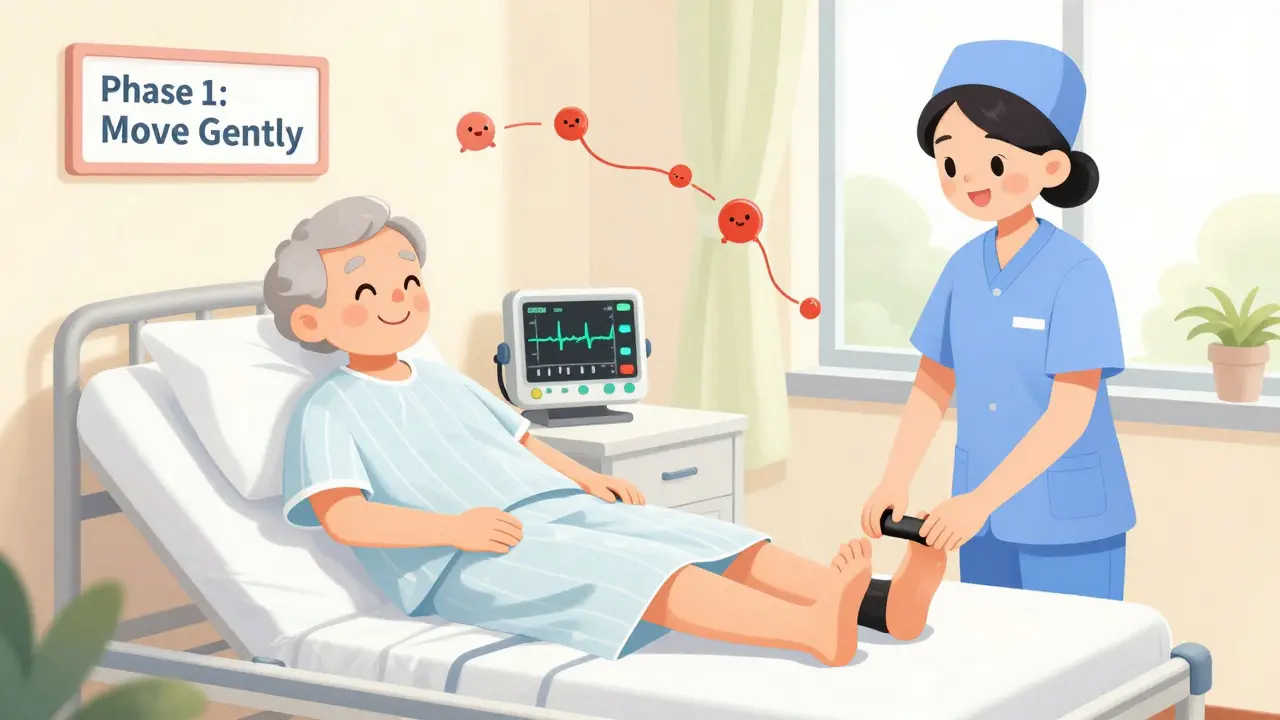
Learn how to exercise safely after a heart event with proven cardiac rehab guidelines. Discover the three phases of recovery, warning signs to watch for, and why supervised programs cut mortality risk by 30%.
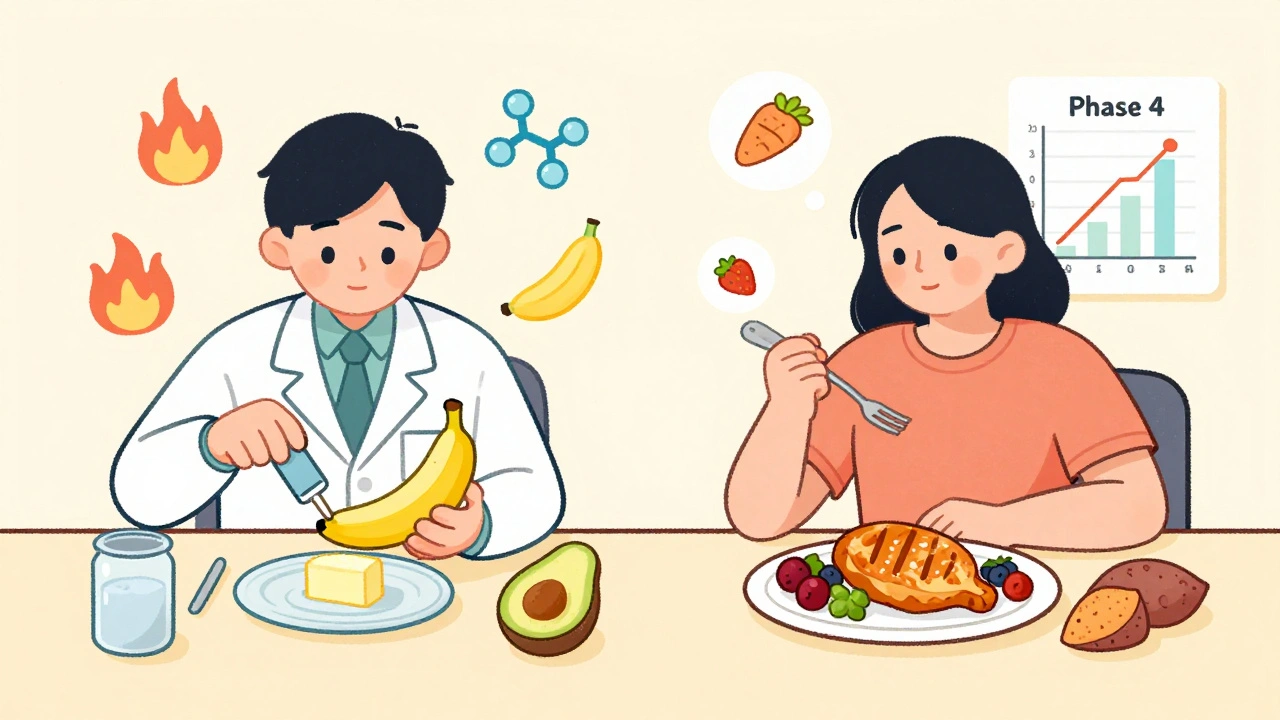
Ketogenic and Atkins diets both promote weight loss through low-carb eating, but they differ in structure, sustainability, and long-term results. Learn which one fits your lifestyle better.
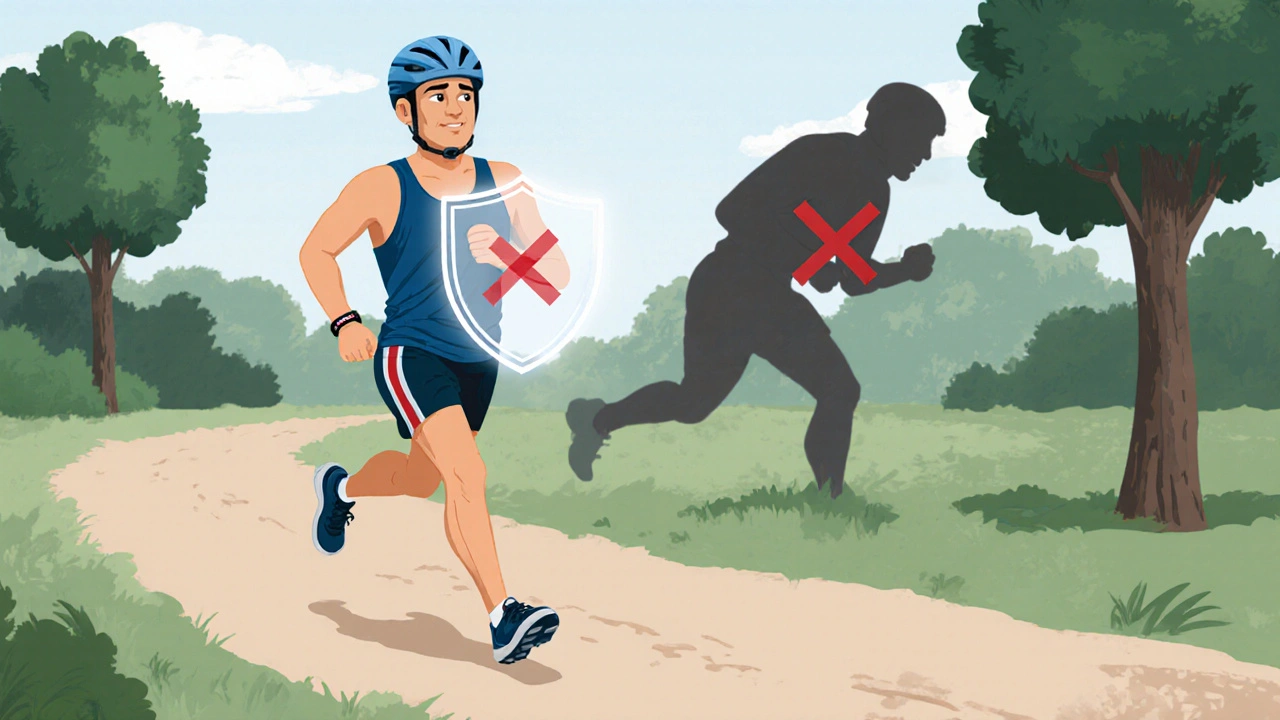
Athletes on blood thinners face higher bleeding risks during sports. Learn how to safely stay active with DOACs, timing strategies, protective gear, and sport-specific guidelines to minimize danger without quitting your sport.
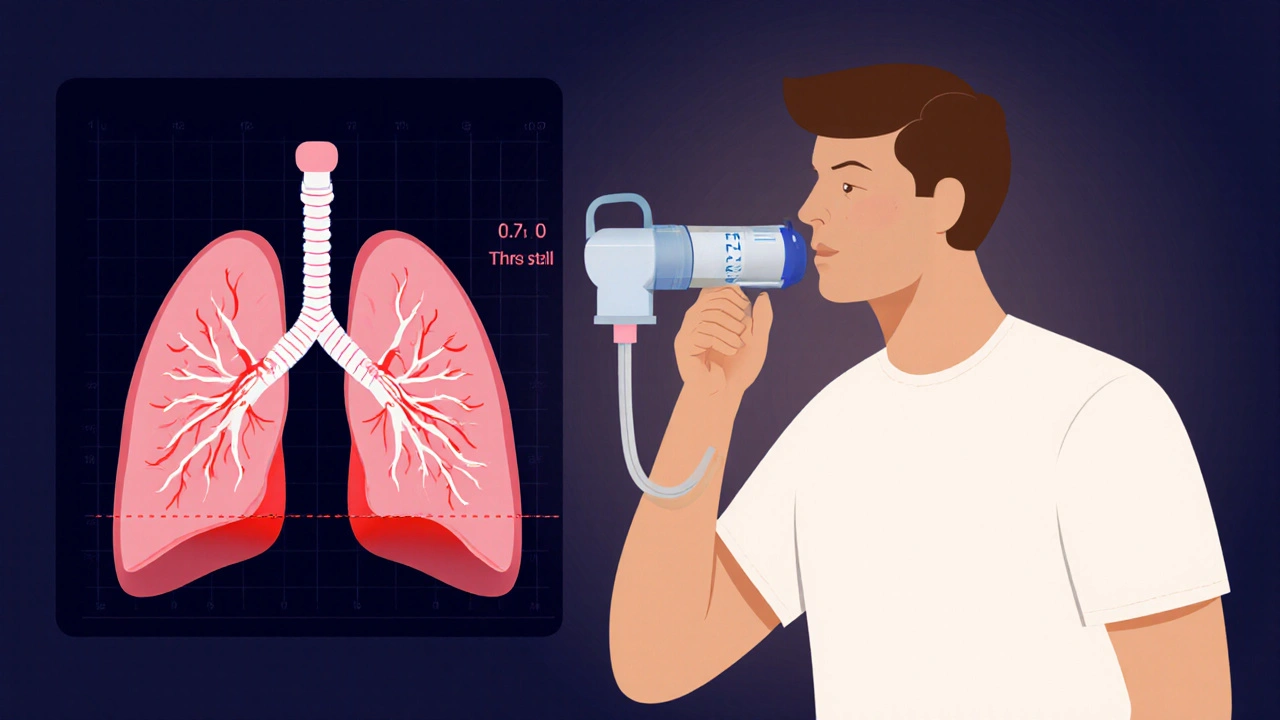
Learn how to interpret spirometry and DLCO results to understand your lung health. Discover what low or high values mean for conditions like COPD, pulmonary fibrosis, and pulmonary hypertension.

Medication safety for college students means understanding the risks of sharing prescriptions, recognizing stimulant misuse, and knowing how to store and dispose of drugs safely. Most misuse starts with a friend’s pill - and ends in crisis.

Daclatasvir can cure hepatitis C in most cases-but stigma still lingers. Learn how to handle judgment, find support, and heal emotionally while taking this life-changing treatment.

Most medications are safe while breastfeeding. Learn when to pump and dump, how timing reduces baby's exposure, and which drugs are truly risky - backed by science, not myths.
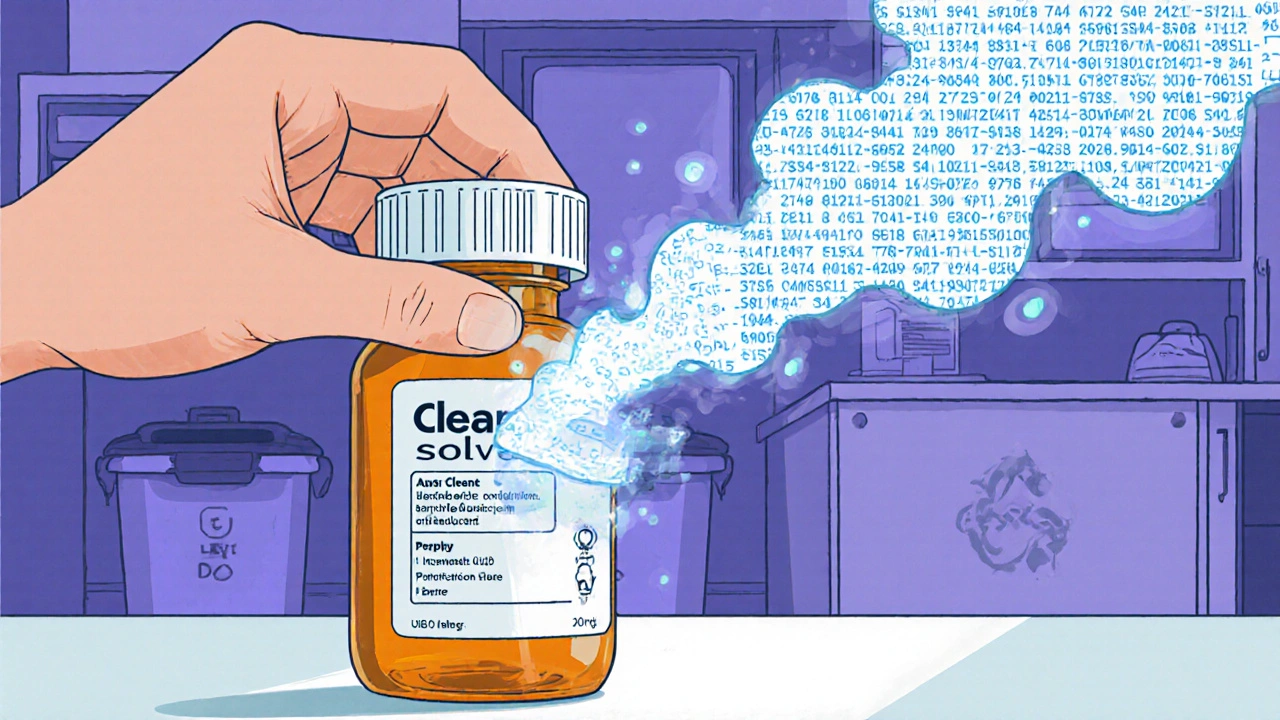
Learn how to safely remove or destroy personal information on prescription bottles to prevent identity theft. Discover the best methods-chemical removal, marker obscuration, and shredding-and why common hacks like vinegar or hairdryers don’t work.
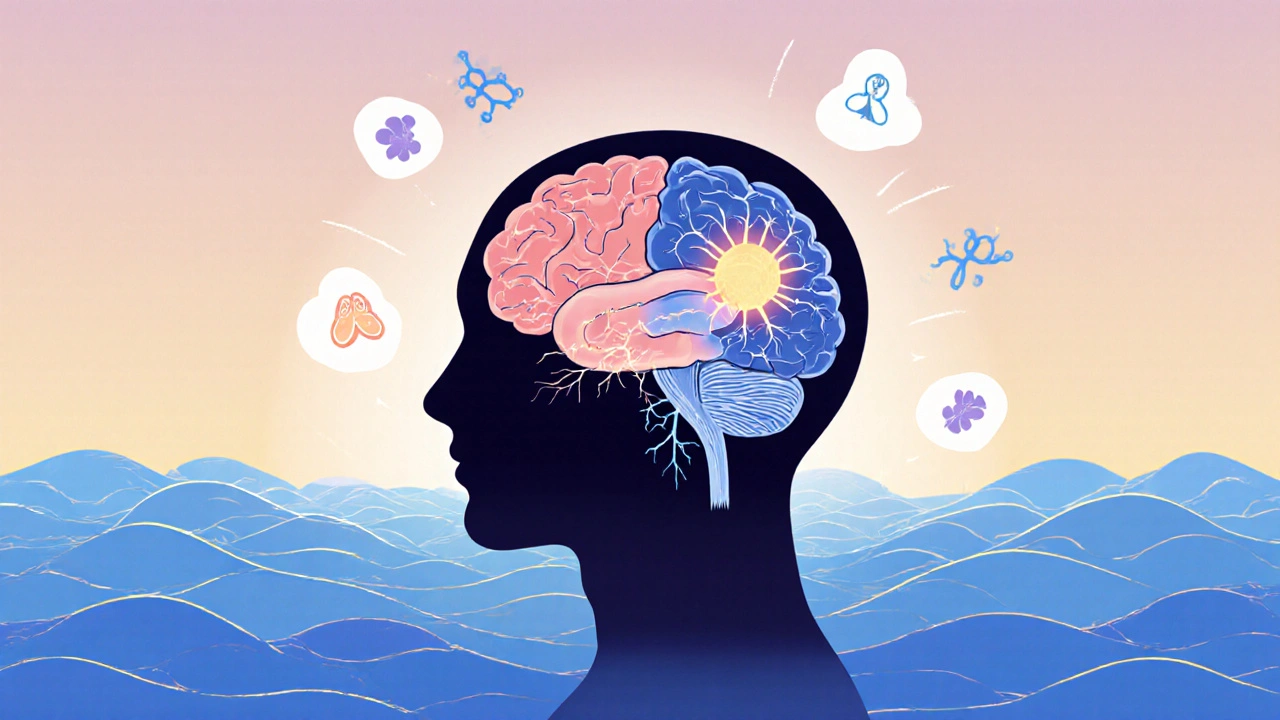
Mindfulness for anxiety is backed by clinical evidence showing it matches medication effectiveness without side effects. Learn proven techniques like MBSR and MBCT, how they change the brain, and how to start today.