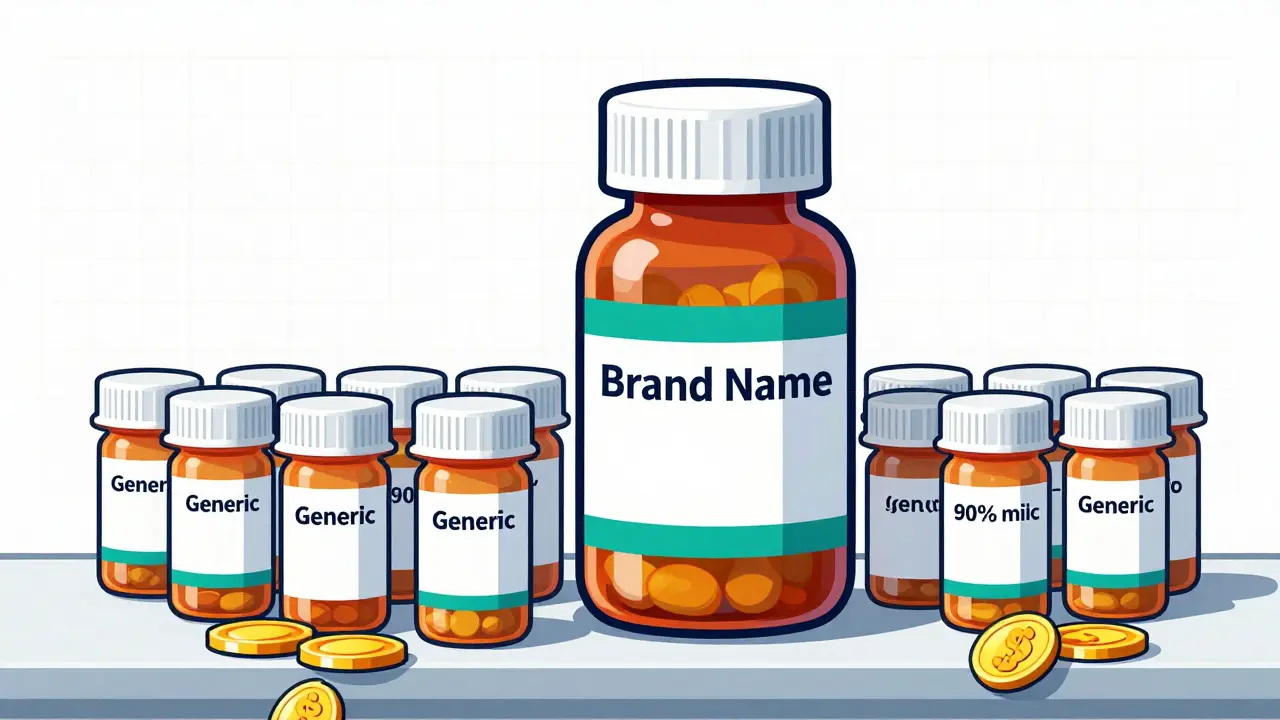
Generic Drug Savings: Real Numbers and Healthcare Statistics
Discover the real financial impact of generic drugs with hard data on savings, prescription rates, and how biosimilars are changing healthcare costs.

Welcome to the Medications hub at Karen's Health Insights. Here you’ll find plain‑language reviews of medicines, newer alternatives, and safety pointers you can trust. Whether you’re dealing with migraines, hypertension, or pet pain, we break down the facts so you can decide what works best for you.
Not every drug fits every person. Side effects, cost, or personal preference can push you to consider another option. For example, some migraine sufferers can’t tolerate sumatriptan, so they need a backup plan. Others with high blood pressure may find beta‑blockers like metoprolol too heavy on their lungs. Knowing the pros and cons of each choice saves time and avoids unnecessary trips to the doctor.
Our latest posts cover five hot topics. Ketorolac tromethamine for dogs and cats explains when vets use this eye‑drop pain reliever and which risks to watch. Sumatriptan alternatives for 2025 lists eight migraine options, from over‑the‑counter pills to newer prescriptions. Metoprolol alternatives walk you through other blood‑pressure meds that might suit a different lifestyle. Stromectol alternatives give you a rundown of anthelmintic drugs for worm infections, while Cytotec alternatives for labor induction compare synthetic and natural methods for expectant mothers.
Each guide follows the same easy format: what the drug does, how it works, who should avoid it, and a quick look at cheaper or safer substitutes. That way you can compare at a glance without digging through medical journals.
If you’re new to the site, start with the migraine article. Migraines affect more than 1 in 7 adults, and the right medication can change daily life. The guide shows you which drugs block blood‑vessel swelling, which act on nerves, and which you can buy without a prescription. You’ll also see simple tips—like staying hydrated and keeping a headache diary—to boost any treatment.
For heart health, the metoprolol alternatives piece helps you spot drugs that lower heart rate without causing fatigue. It mentions ACE inhibitors, calcium‑channel blockers, and newer ARBs, plus a quick note on lifestyle changes that complement medication.
Pet owners often wonder if human pain meds are safe for their furry friends. Our ketorolac article clarifies that this NSAID is used mainly for eye pain in dogs and cats, but it can harm kidneys if misused. We suggest safer pain options, such as meloxicam or tramadol, and explain when a vet should be consulted.
When it comes to parasites, the Stromectol guide highlights albendazole and pyrantel pamoate as reliable back‑ups. You’ll learn how each works, dosing basics, and which infections they target most effectively.
Expectant parents looking at labor induction will find the Cytotec alternatives article useful. It outlines prostaglandin gels like Cervidil, IV Pitocin, and even natural methods like laminaria. The piece points out side‑effects, typical usage times, and what to ask your doctor.
All of these articles share one goal: give you trustworthy, up‑to‑date info so you can talk confidently with your healthcare provider. Bookmark this page, check back for updates, and use the search bar if you have a specific drug in mind. Your next smart medication move starts here.
Discover the real financial impact of generic drugs with hard data on savings, prescription rates, and how biosimilars are changing healthcare costs.
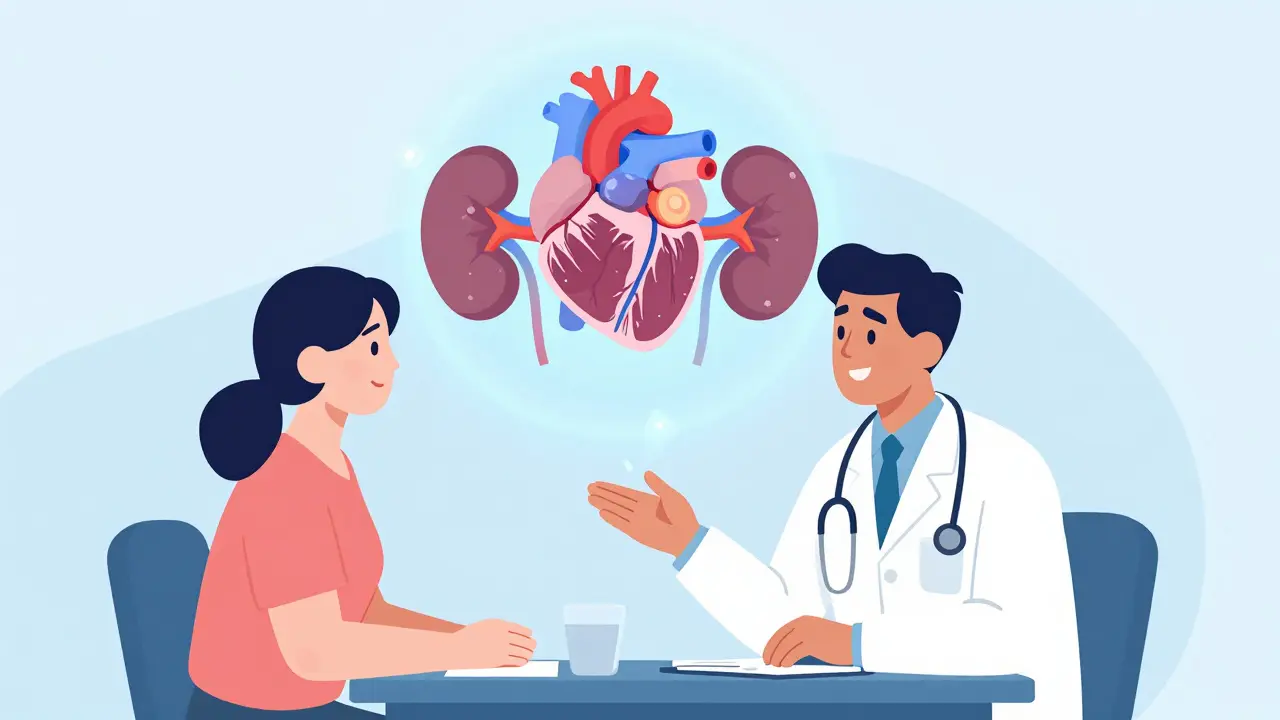
SGLT2 inhibitors offer more than sugar control for Type 2 diabetes. Learn about their proven heart and kidney protection. Understand side effects, costs, and who benefits most from these modern medications.
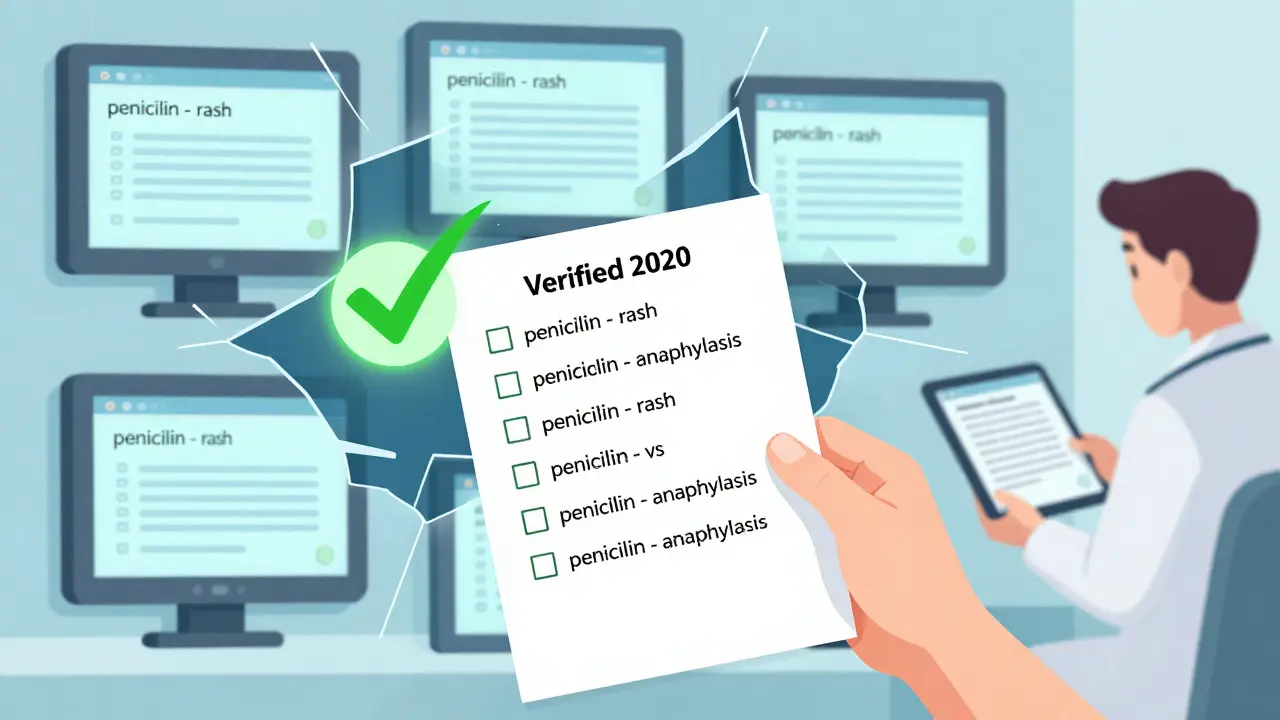
Accurate allergy lists save lives. Learn how to verify, update, and ensure your drug reaction history is correct across all healthcare providers using current standards and patient tools available in 2026.

Learn how to safely dispose of expired or unused medications in household trash using FDA-approved steps. Avoid poisoning, misuse, and environmental harm by mixing pills with coffee grounds or cat litter, sealing them, and hiding personal info.

Benzodiazepines and non-benzodiazepines are commonly prescribed for insomnia, but both carry serious risks including memory loss, falls, dependence, and next-day impairment. Long-term use is no longer recommended.

Learn how community health presentations are helping patients understand that generic drugs are just as safe and effective as brand-name ones - and how they save billions each year.
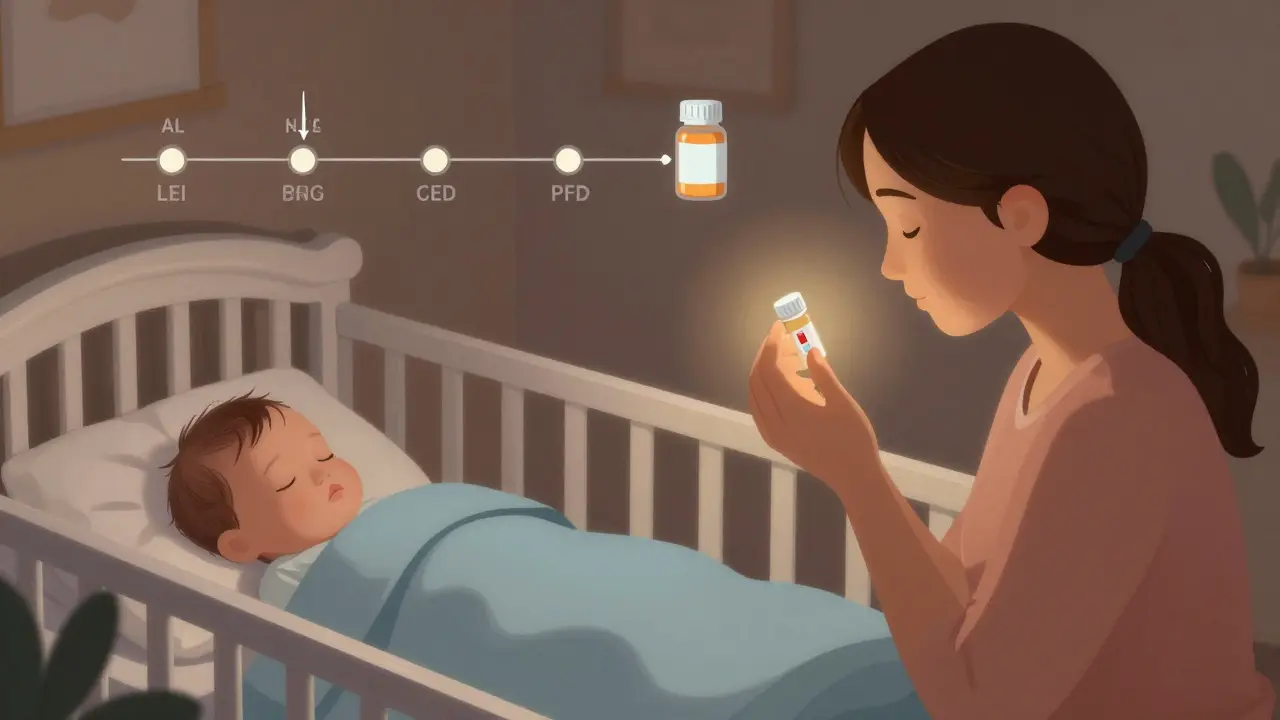
Learn how to time medication doses to reduce your baby's exposure while breastfeeding. Science-backed strategies for safe use of painkillers, antidepressants, and other common drugs.

African-made antiretroviral generics are transforming HIV treatment access, reducing reliance on imports and cutting costs. With WHO-prequalified drugs like TLD and long-acting injectables now being produced locally, the continent is building sustainable, self-reliant health systems.
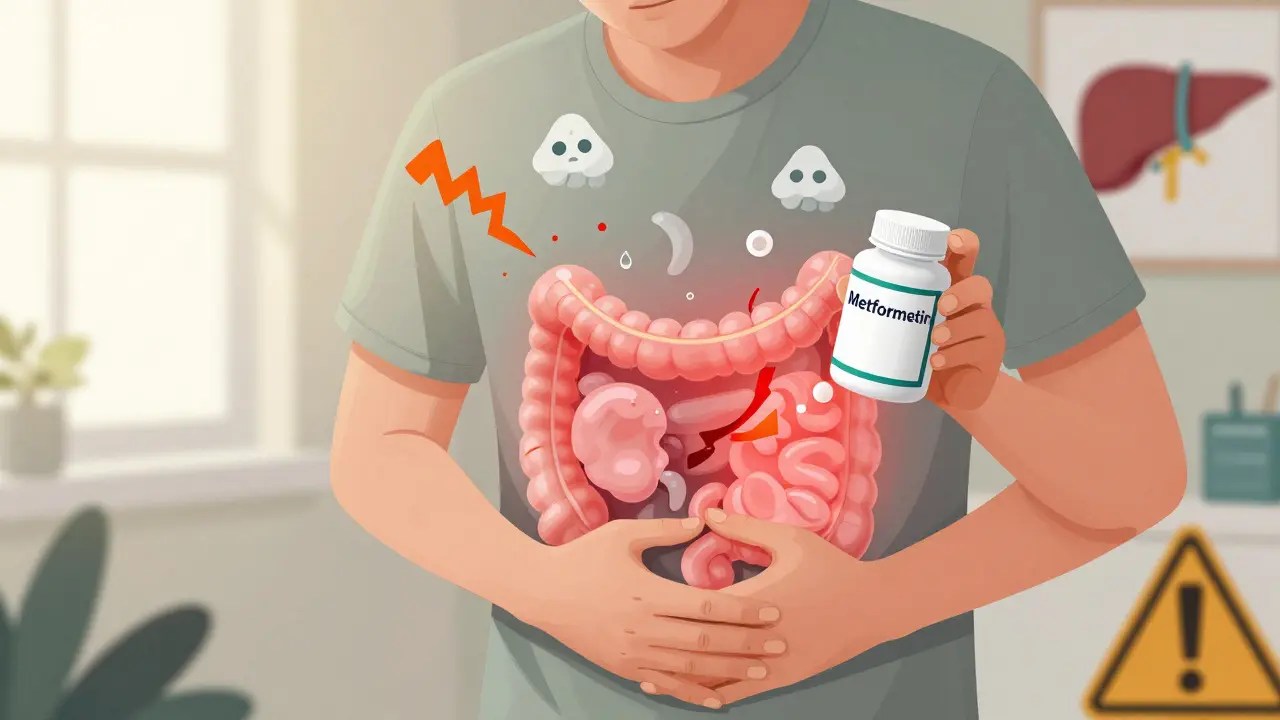
Metformin is the top diabetes drug worldwide, but it can cause stomach issues in 1 in 3 users and carries a rare risk of lactic acidosis. Learn how to manage side effects and avoid serious complications.
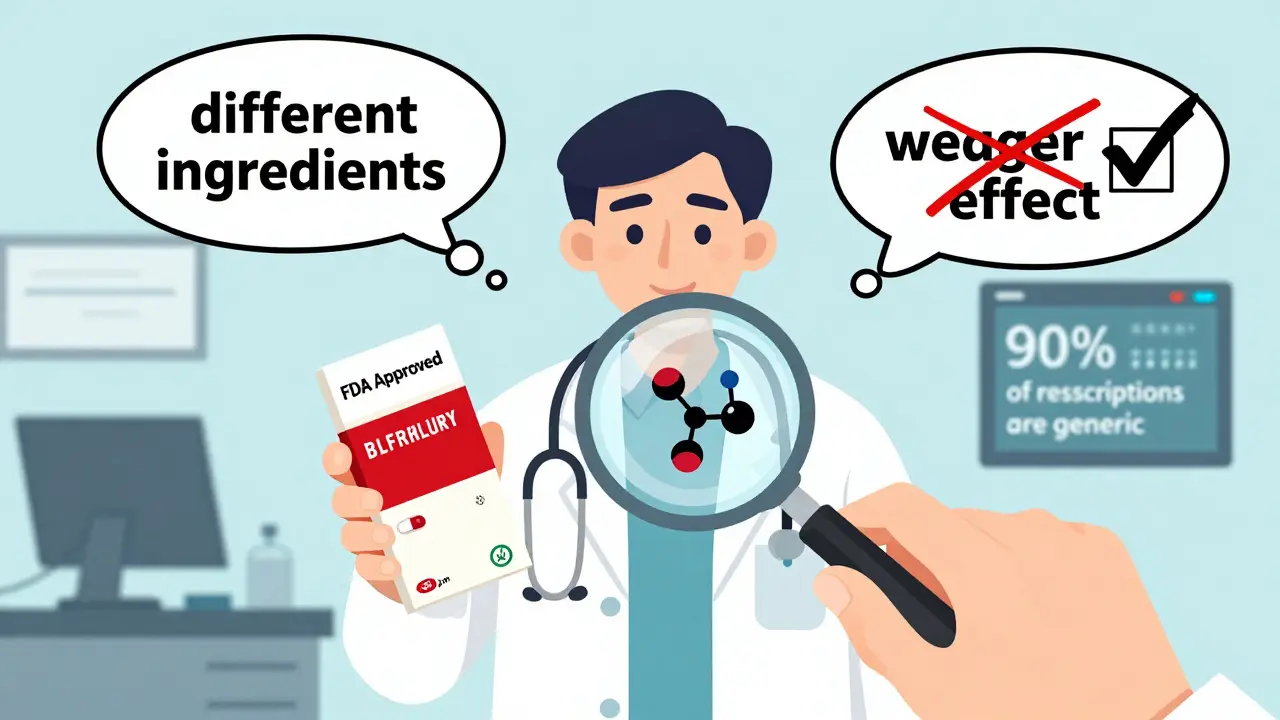
Provider education on generics improves clinician confidence, boosts patient adherence, and cuts costs. Learn how evidence-based training closes knowledge gaps and transforms prescribing habits.
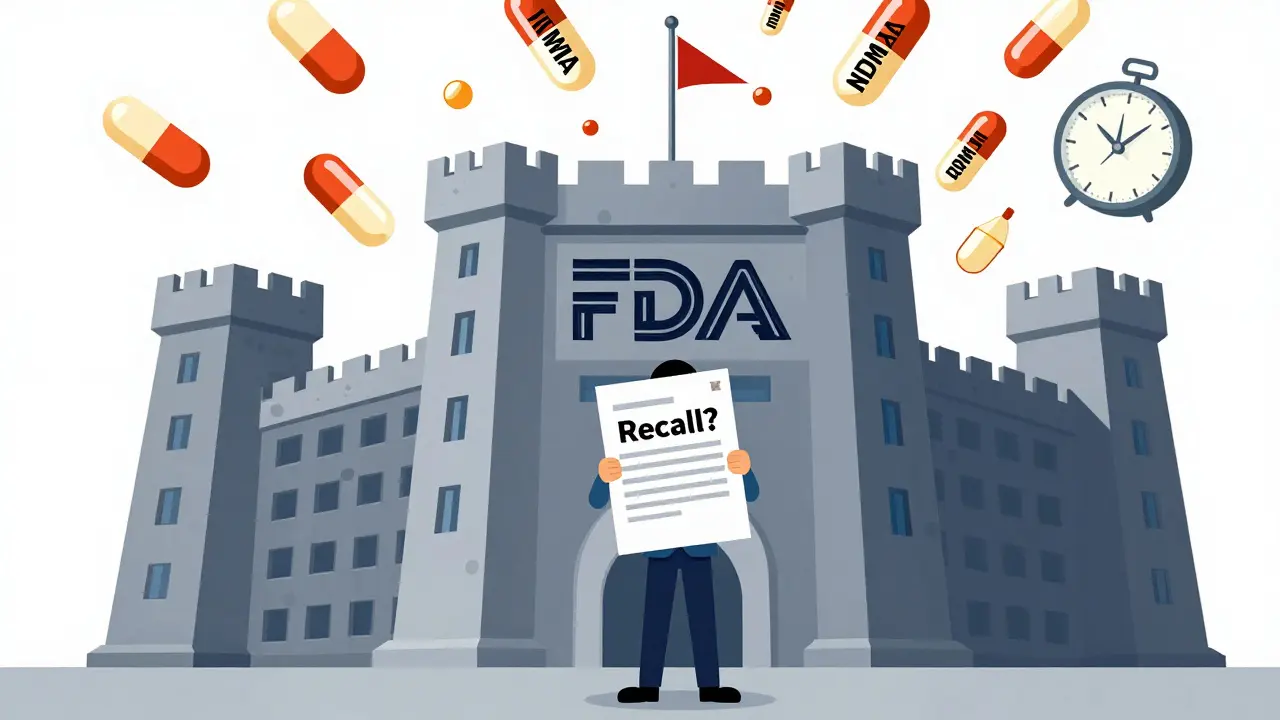
The FDA can't force drug companies to recall unsafe medications - it can only ask. Learn how the legal process works, why it's flawed, and what you need to do to stay safe.
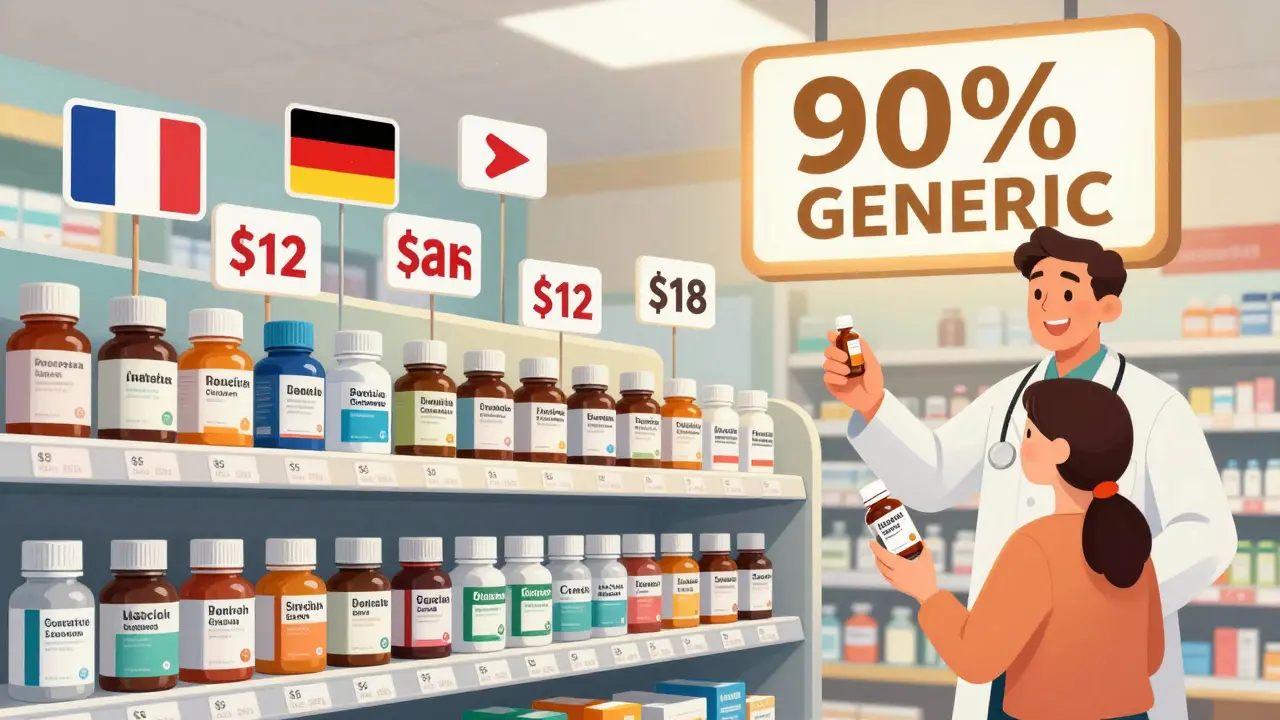
While the U.S. pays far more for brand-name drugs than other countries, it actually pays less for generics - thanks to fierce competition and bulk buying. Here’s how global pricing really works.