
Stevens-Johnson Syndrome and Toxic Epidermal Necrolysis: Medication-Related Emergencies
 Mar, 18 2026
SJS/TEN Body Surface Area Calculator
Estimate the percentage of your body surface area affected by skin reactions to determine if you might be experiencing Stevens-Johnson Syndrome (SJS) or Toxic Epidermal Necrolysis (TEN). This tool uses the standard "rule of nines" for adults. Remember: This is for informational purposes only. If you suspect SJS/TEN, seek immediate medical attention.
Click on affected body parts to calculate the percentage:
Estimated Percentage:
Select affected areas to see severity level.
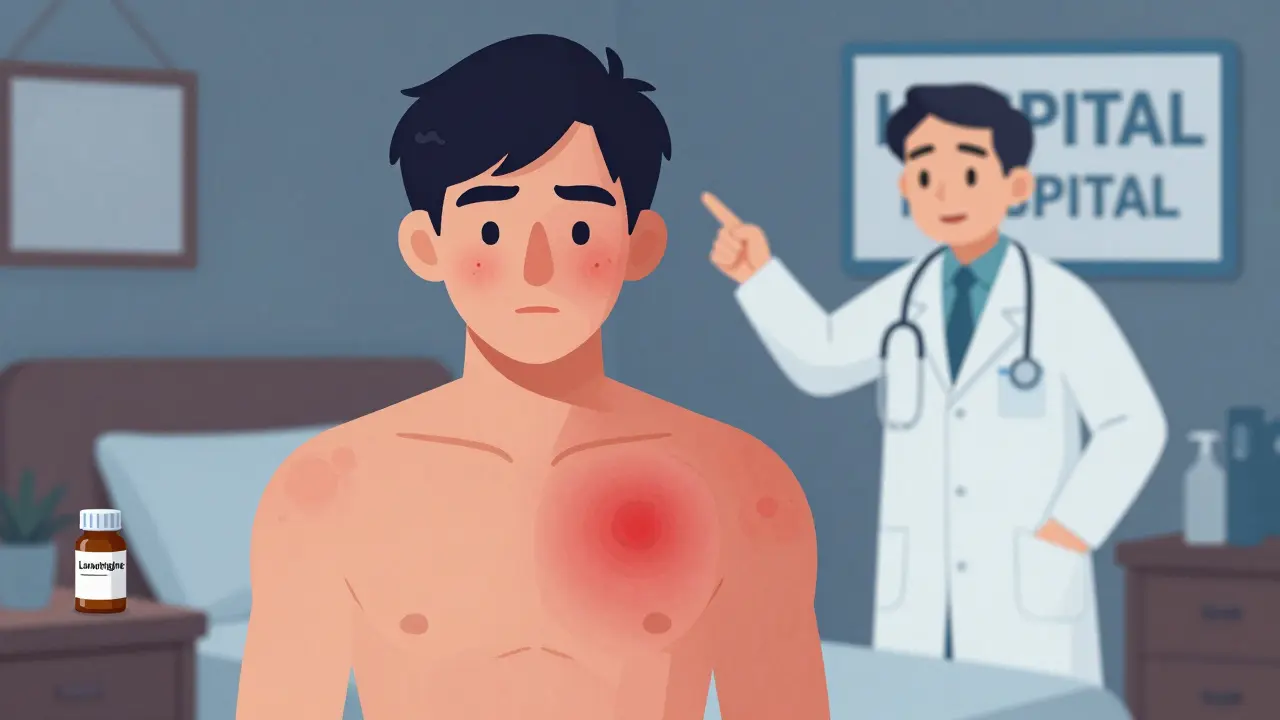
When a simple skin rash turns into a life-threatening emergency, it’s not just a side effect - it’s a warning sign you can’t ignore. Stevens-Johnson Syndrome (SJS) and Toxic Epidermal Necrolysis (TEN) are rare but deadly reactions triggered by medications, where the skin begins to die and peel off like a burn. These aren’t common rashes you can treat with cream. They’re medical emergencies that demand immediate hospital care - and knowing the signs could save your life.
What Exactly Are SJS and TEN?
SJS and TEN are two ends of the same dangerous spectrum. Both involve the top layer of skin (the epidermis) detaching from the body, often starting with flu-like symptoms - fever, sore throat, fatigue - followed by a painful red or purple rash that spreads fast. Within days, blisters form, the skin sloughs off, and mucous membranes in the eyes, mouth, nose, and genitals start to erode. The difference between them? How much of your skin is affected.
Doctors use body surface area (BSA) to tell them apart:
- SJS: Less than 10% of skin detaches
- TEN: More than 30% of skin detaches
- Overlap syndrome: 10-30% - a gray zone where the risk of death jumps sharply
Think of it like a burn injury, but caused by your own body’s immune system going haywire after a medication. The skin doesn’t just blister - it dies. And that’s why treatment requires burn unit-level care, not a trip to the dermatologist.
Which Medications Trigger These Reactions?
Not every drug causes SJS or TEN. But some carry a known, dangerous risk - even if it’s rare. For every million people taking these medicines, only a handful will react. But when it happens, it’s often too late to reverse the damage.
High-risk medications include:
- Allopurinol - used for gout
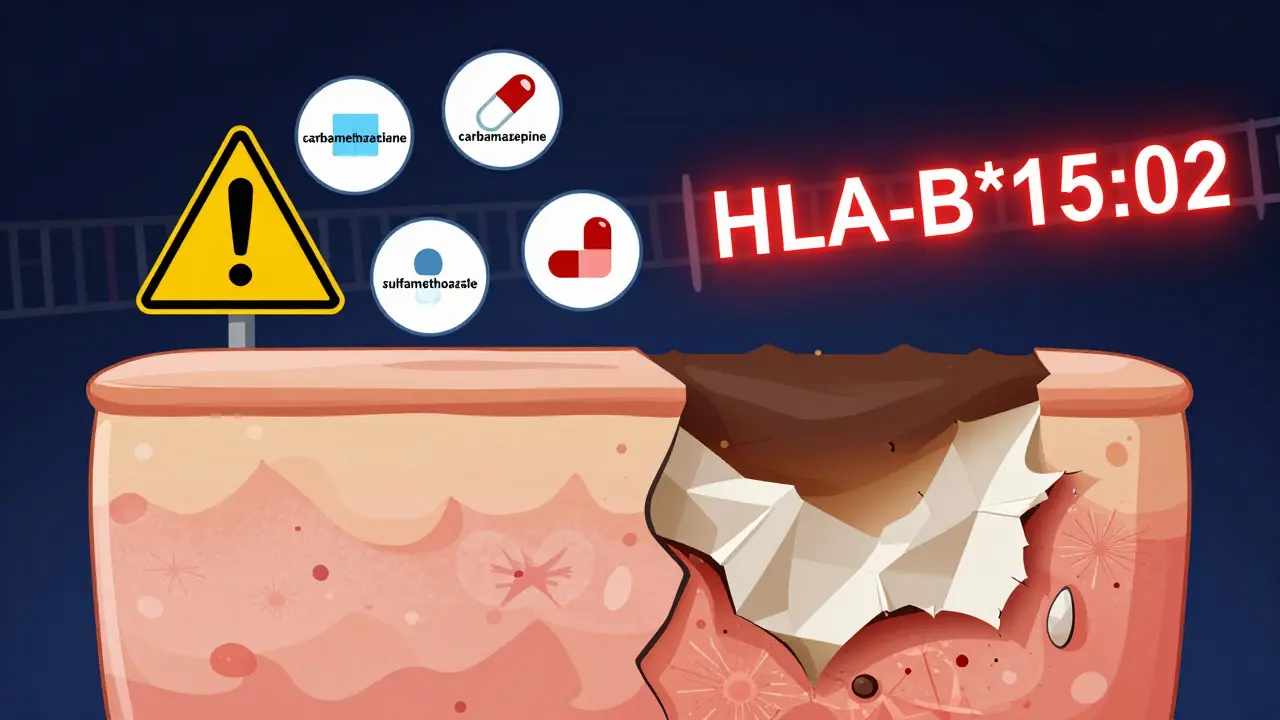
- Carbamazepine, phenytoin, lamotrigine, phenobarbital - anticonvulsants for epilepsy
- Nevirapine - an HIV medication
- Oxicam NSAIDs - like meloxicam and piroxicam
- Sulfamethoxazole - often in antibiotic combinations like Bactrim
Here’s what makes this even more dangerous: if you’ve had SJS from one of these drugs, you’re at huge risk if you take another drug in the same class. Cross-reactivity is real. For example, if lamotrigine caused your reaction, you must avoid all other anticonvulsants - even if they’re different brand names. The same goes for sulfa drugs: if sulfamethoxazole triggered it, avoid all sulfonamide antibiotics.
And it’s not just the drug itself. Some reactions happen weeks after stopping the medicine. Others flare up if you restart a drug too soon - especially lamotrigine. If you stop it for a few days and then jump back to your old dose, your body may react violently. Doctors now recommend very slow dose increases for lamotrigine, especially in the first 8 weeks.
Who’s at Highest Risk?
SJS can happen to anyone, but certain factors make it far more likely:
- Genetics - People of Asian descent with the HLA-B*15:02 gene are at extreme risk with carbamazepine. Testing for this gene is now standard in some countries before prescribing it.
- Previous reaction - If you’ve had SJS before from a drug, you must avoid it forever - and all similar drugs.
- Weakened immune system - HIV, chemotherapy, or organ transplants increase vulnerability.
- Combination therapy - Taking sodium valproate with lamotrigine raises the risk of rash.
- Children and young adults - Though rare, kids are more likely to develop SJS than older adults.
And here’s a chilling fact: if a close family member had SJS, your risk may be higher. That’s not coincidence - it’s genetic. If your parent or sibling had a severe reaction to carbamazepine, you should never take it without genetic screening.
How Fast Does It Progress?
Time is everything. The first signs - fever, fatigue, burning eyes, sore throat - often show up 1 to 3 days before the rash. The rash itself starts as red or purple patches, usually on the face and chest. Then blisters form. Within 24 to 72 hours, skin begins to peel. By day 5, large areas may be sloughing off.
That’s why waiting to see your doctor is deadly. If you notice:
- A spreading rash with blisters
- Sores in your mouth, eyes, or genitals
- Flu-like symptoms with skin changes
- you need to go to the emergency room now. No waiting. No calling your pharmacist. Go to A&E. The sooner the triggering drug is stopped and you’re in a specialized unit, the better your chance of survival.
What Happens in the Hospital?
There’s no magic cure. Treatment is about damage control and keeping you alive while your body heals.
First: Stop the drug. Immediately. No exceptions. Even if you think it’s helping your condition - if it’s the cause, it must go.
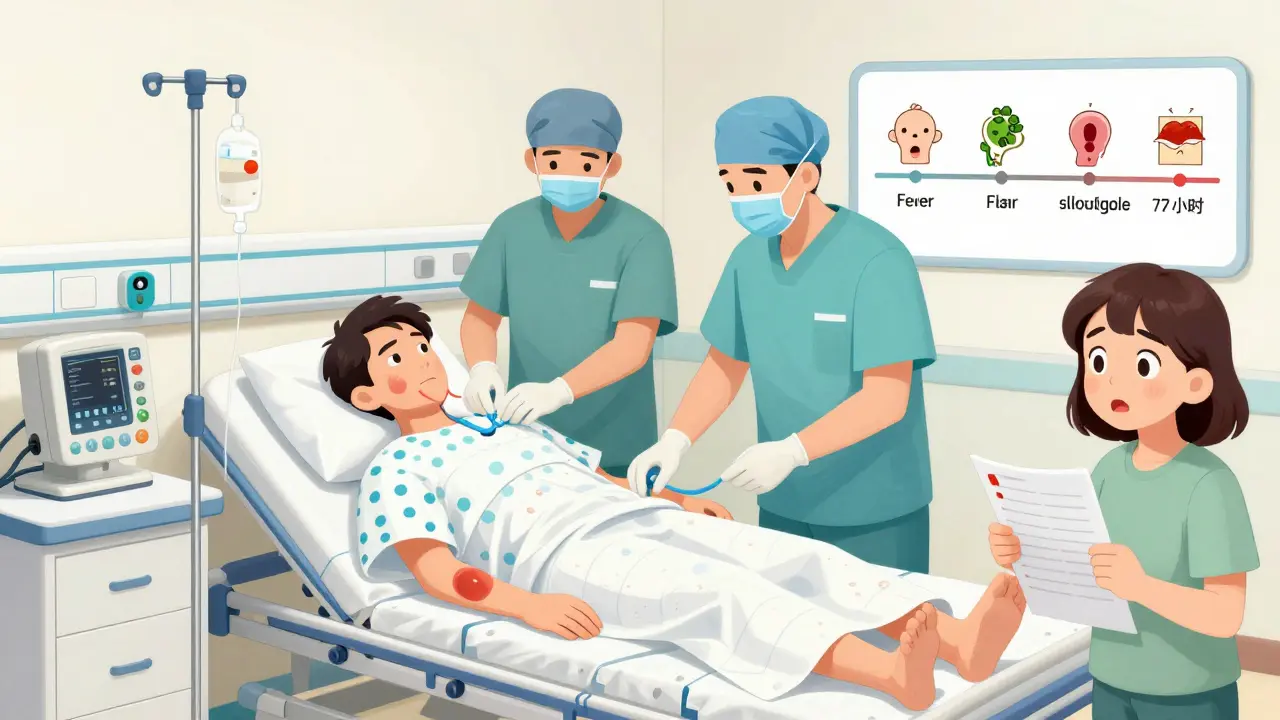
Second: Intensive care. You’ll likely be admitted to a burn unit or ICU. Why? Because your skin is gone. Your body is losing fluids, temperature control, and protection from infection. You’ll need IV fluids, pain control, wound care, and antibiotics to prevent sepsis.
Third: Supportive care. No single drug has proven to stop SJS/TEN. Some hospitals try IV immunoglobulins or corticosteroids, but evidence is mixed. The best care is still basic: keeping you hydrated, clean, and protected.
Survival depends on how much skin was lost. Mortality rates:
- SJS: around 5%
- Overlap: 10-30%
- TEN: over 30%
And the worst part? Even if you survive, the damage doesn’t end.
Long-Term Damage: More Than Just Scars
Most people think SJS is a skin problem. It’s not. It’s a whole-body trauma.
Survivors often face lifelong complications:
- Eyes - Dryness, light sensitivity, scarring, corneal damage, and blindness in 30-50% of cases. Regular ophthalmology checkups for at least a year are mandatory.
- Skin - Permanent scarring, dark or light patches, and hair loss. Nails may fall off and take months to regrow.
- Mouth and throat - Chronic dry mouth, gum disease, difficulty swallowing, and esophageal narrowing.
- Genitals - In women: vaginal scarring and stenosis. In men: phimosis (tight foreskin) and urinary issues.
- Internal organs - Lung damage, kidney failure, liver injury, and even heart problems can follow.
Some people recover fully. But many live with chronic pain, vision loss, or difficulty eating and breathing. Recovery isn’t a finish line - it’s the start of a long, painful rehabilitation.
How to Prevent It
The best treatment? Never getting it in the first place.
- Know your risk - If you’re prescribed lamotrigine, carbamazepine, or allopurinol, ask if genetic testing is available.
- Start low, go slow - Especially with lamotrigine. Never increase your dose without your doctor’s approval.
- Don’t mix drugs - Avoid combining sodium valproate with lamotrigine unless closely monitored.
- Watch for rashes - Most rashes from these drugs are harmless. But if it spreads fast, hurts, or comes with fever or sores - act now.
- Never restart a drug - If you had SJS once, you must avoid the drug forever - and all similar ones.
- Inform all doctors - Put your history in your medical records. Tell every provider you see.
And if you’re on one of these high-risk meds? Don’t start new supplements, antibiotics, or over-the-counter painkillers without checking with your doctor. Even a simple ibuprofen could trigger a reaction if you’re already vulnerable.
What to Do If You Suspect SJS/TEN
Here’s the bottom line:
- Stop the suspected medication immediately.
- Call 911 or go to the nearest emergency room.
- Bring a list of all medications you’ve taken in the last 6 weeks.
- Do not wait for a rash to get worse.
- Do not try to treat it at home.
There’s no time for second opinions. SJS and TEN don’t wait. Your survival depends on how fast you act.
Can SJS or TEN be cured with medication?
No. There is no drug that reliably stops or reverses SJS or TEN. Treatment focuses on stopping the trigger, supporting vital functions, and preventing infection. Some hospitals use IV immunoglobulins or steroids, but studies show mixed results. The key is early hospitalization and intensive supportive care - not a pill.
Is SJS contagious?
No. SJS is not an infection. It’s an immune reaction to a medication. You can’t catch it from someone else. But if you’ve had it before, you’re at high risk of getting it again - even from a different drug in the same class.
Can I take the same drug again if I didn’t have a rash?
Yes - if you never had a reaction. But if you had even a mild rash while taking a high-risk drug like lamotrigine or carbamazepine, you should never take it again. A mild rash can be the first sign of a future, deadly reaction. Doctors treat any rash during these drugs as a red flag.
How long after stopping a drug can SJS occur?
Up to two weeks. Most reactions happen within the first 8 weeks of starting a drug, but some occur after the drug is stopped. That’s why doctors warn patients to keep watching for rashes, fever, or sores for up to 14 days after discontinuing high-risk medications like allopurinol or nevirapine.
Are there tests to predict who will get SJS?
Yes - for some drugs and populations. Genetic testing for HLA-B*15:02 is recommended before giving carbamazepine to people of Southeast Asian descent. This test can reduce risk by over 90%. Testing for other genes (like HLA-B*58:01 for allopurinol) is also used in some countries. But these tests aren’t routine everywhere - so knowing your family history and drug risks is still critical.
Laura Gabel
March 19, 2026 AT 10:05Kyle Young
March 19, 2026 AT 11:34Jeremy Van Veelen
March 20, 2026 AT 18:11Someone needs to sue the FDA. Someone needs to sue Big Pharma. Someone needs to wake up.
Kendrick Heyward
March 22, 2026 AT 15:23lawanna major
March 24, 2026 AT 11:09Ayan Khan
March 25, 2026 AT 07:15Emily Hager
March 25, 2026 AT 17:39Melissa Starks
March 26, 2026 AT 23:39Lauren Volpi
March 28, 2026 AT 10:16Kal Lambert
March 28, 2026 AT 23:51Melissa Stansbury
March 29, 2026 AT 17:46Suchi G.
March 29, 2026 AT 22:07becca roberts
March 30, 2026 AT 10:44SNEHA GUPTA
April 1, 2026 AT 08:31Gaurav Kumar
April 2, 2026 AT 01:01