
Steroid Tapering: How to Safely Reduce Steroids Without Withdrawal or Disease Flare
 Jan, 4 2026
Stopping steroids like prednisone suddenly can be dangerous-sometimes life-threatening. If you’ve been on them for more than a few weeks, your body has stopped making its own cortisol. Your adrenal glands are basically on vacation. When you cut the drug cold turkey, your body doesn’t know how to wake them up fast enough. That’s when you get steroid tapering-a slow, controlled reduction designed to let your body catch up without crashing.
Why Tapering Isn’t Optional
Steroids work by suppressing inflammation, which is why they’re so effective for autoimmune diseases like rheumatoid arthritis, lupus, or inflammatory bowel disease. But they also shut down your natural cortisol production. Cortisol isn’t just a stress hormone-it keeps your blood pressure stable, your blood sugar balanced, and your immune system from going haywire. Without it, you risk adrenal crisis: extreme fatigue, vomiting, low blood pressure, and even shock. Studies show that up to 18% of emergency visits from recently tapered patients happen because they got sick and didn’t adjust their dose. That’s why you can’t just stop.The Three Phases of a Safe Taper
A good taper isn’t one-size-fits-all, but most protocols follow a clear structure based on how long you’ve been on steroids and at what dose.Phase 1: Rapid Taper (Above 20 mg/day)
If you’re on 40 mg of prednisone or more, doctors usually drop the dose by 5-10 mg every week. That’s fast, but safe because your body still has enough steroid in the system to keep things stable. Once you hit around 20 mg/day, the pace slows down. This phase might take 2-4 weeks depending on your starting dose.Phase 2: Gradual Taper (10-20 mg/day)
This is where most people start feeling weird. You might get joint pain, muscle aches, fatigue, or trouble sleeping. That’s glucocorticoid withdrawal syndrome (GWS)-not the disease coming back, but your body reacting to less medication. At this stage, cuts are smaller: 5 mg every two weeks, or even 2.5 mg weekly. Slowing down here can make a huge difference. One patient on Reddit dropped from 7.5 mg to 5 mg and had severe joint pain return. They had to pause for two weeks before continuing.Phase 3: Slow Taper (Below 10 mg/day)
Now you’re at near-physiological levels. Your body is trying to restart cortisol production. Drops become tiny: 2.5 mg every two weeks, then 1.25 mg, then 0.5 mg. Some doctors switch from prednisone to hydrocortisone here because it’s shorter-acting and might help the adrenal glands wake up faster. But evidence is weak-most people taper successfully off prednisone alone. The key is patience. At this stage, it can take months to get to zero.How Long Does It Take?
There’s no universal timeline. If you were on steroids for just a few weeks, you might be done in 1-2 weeks. But if you’ve been on them for six months or more, plan for 3-6 months. Some people need even longer. The adrenal glands can take up to 18 months to fully recover. That’s why you still need to carry a steroid alert card for at least a year after stopping-even if you feel fine.What Symptoms Should You Watch For?
Withdrawal isn’t the same as a disease flare. Here’s how to tell the difference:- Withdrawal symptoms: Fatigue (42% of patients), joint or muscle pain (37%), nausea, low appetite, low blood pressure, trouble sleeping. These get worse when you cut the dose and improve if you hold or slightly increase it.
- Disease flare: New or worsening symptoms of your autoimmune condition-swollen joints, rash, diarrhea, fever. These don’t improve with a small dose increase.
A 2023 WebMD survey found that 68% of patients had mild withdrawal symptoms during tapering. That’s normal. But if you’re unsure whether it’s withdrawal or a flare, don’t guess. Call your doctor.

What to Do When Symptoms Hit
You don’t have to suffer through it. Simple, proven strategies can help:- Movement over rest: Instead of lying down when your joints ache, take two 10-15 minute walks a day. One study showed this reduced stiffness by 57% compared to bed rest.
- Meditation: Ten minutes a day of deep breathing or mindfulness lowered anxiety and withdrawal symptoms by 43% in a group of 250 patients.
- Warm water therapy: Gentle yoga or swimming in a heated pool eased muscle pain and improved mobility for many tapering patients.
These aren’t magic fixes-but they’re backed by real data. And they’re free.
Sick Days Are Critical
This is where most people mess up. If you get the flu, an infection, or even a bad cold, your body needs more cortisol. But your adrenal glands aren’t fully back yet. So you need to temporarily increase your steroid dose-often doubling it-until you’re well again. This is called “sick day rules.”One study found that 18% of ER visits from recently tapered patients happened because they didn’t adjust their dose during illness. Your doctor should give you written instructions for this. If they didn’t, ask for them. And keep them with you.
What About Hydrocortisone?
Some doctors switch you from prednisone to hydrocortisone before the final stretch. The theory is that hydrocortisone mimics natural cortisol more closely and has a shorter half-life, so your body gets a better signal to restart production. But here’s the catch: there’s no strong evidence it works better. Most patients taper successfully off prednisone alone. Switching adds complexity, cost, and potential confusion. Only consider it if you’re struggling badly at low doses and your doctor thinks it might help.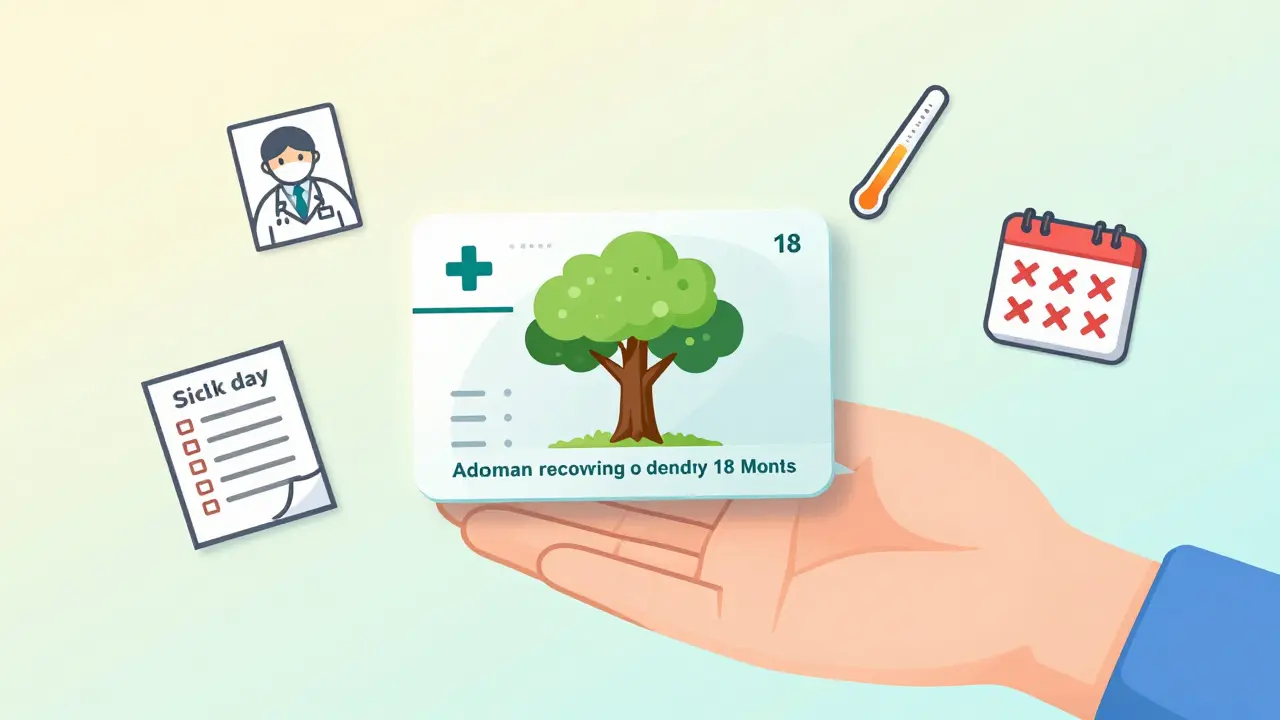
Personalized Tapering Is the New Standard
Gone are the days of rigid, fixed schedules. The American College of Rheumatology and EULAR now recommend tapering based on disease activity-not just time. If your joint swelling is gone and your blood tests are normal, you might be able to go faster. If inflammation markers are creeping up, you slow down or pause.New tools are helping. The Prednisone Taper Assistant app, launched in early 2023, lets you log symptoms daily. It uses AI to suggest adjustments based on your pattern. In pilot studies, patients using it had 82% better adherence than those on paper schedules.
What to Do After You Stop
Even after you’ve taken your last pill, you’re not fully out of the woods. Your adrenal glands may still be sluggish. That’s why you need to:- Carry a steroid alert card for at least 12 months (many doctors recommend 18-24 months).
- Tell every doctor, dentist, or ER staff you see that you were on long-term steroids.
- Know your sick day rules-and follow them without hesitation.
- Don’t assume you’re “cured.” Autoimmune diseases can flare even without steroids. Stay in touch with your specialist.
Most people who taper properly never need to go back on steroids. But if your disease returns, it’s not because you tapered too fast-it’s because your condition is chronic. That’s not a failure. It’s the nature of autoimmune disease.
Final Thought: Slow Is Safe
There’s no rush. You might feel impatient. You might hate the side effects. You might want to be “off everything.” But pushing too hard can land you in the hospital. The goal isn’t to get off steroids as fast as possible. It’s to get off them without losing your health.One patient on GoodRx tapered from 40 mg to zero over 14 weeks using a 10% reduction every two weeks. No withdrawal. No flare. Just steady progress. That’s the gold standard-not speed, but stability.
Can I stop steroids if I feel fine?
No. Feeling fine doesn’t mean your body is ready. Steroids suppress your adrenal glands, and stopping suddenly can cause adrenal crisis-even if you feel great. Always follow a doctor-approved tapering schedule.
How do I know if it’s withdrawal or a disease flare?
Withdrawal symptoms like fatigue, joint pain, or nausea usually improve if you hold your dose or slightly increase it. A disease flare means your original condition is worsening-new swelling, fever, rash, or digestive issues. If you’re unsure, contact your doctor before changing your dose.
Is it safe to taper at home?
Yes-but only with clear written instructions from your doctor. Never guess your next dose. Use a pill splitter and a journal to track daily amounts and symptoms. If you’re on high doses or have complex conditions like lupus or IBD, regular check-ins with your specialist are essential.
Why do I need a steroid alert card?
Your adrenal glands may not fully recover for up to 18 months. In an emergency-like an accident or surgery-your body won’t make enough cortisol to respond. A steroid alert card tells medical staff you need immediate steroid support to prevent life-threatening adrenal crisis.
Can I use supplements to help with tapering?
No supplement can replace steroids or speed up adrenal recovery. Some people take vitamin D or magnesium for general health, but there’s no evidence they reduce withdrawal symptoms. Focus on movement, sleep, and stress management instead. Always check with your doctor before adding anything new.
What if I miss a dose during tapering?
If you miss one dose, take it as soon as you remember-if it’s still the same day. If it’s the next day, don’t double up. Just continue with your next scheduled dose. If you miss multiple doses or feel unwell, contact your doctor immediately. Missing doses can trigger withdrawal symptoms or adrenal crisis.
Brendan F. Cochran
January 5, 2026 AT 12:22Dee Humprey
January 5, 2026 AT 18:39Jacob Milano
January 7, 2026 AT 14:09bob bob
January 9, 2026 AT 13:36en Max
January 11, 2026 AT 02:57Ashley Viñas
January 11, 2026 AT 10:14Angie Rehe
January 12, 2026 AT 07:16Dee Humprey
January 12, 2026 AT 09:11josh plum
January 12, 2026 AT 19:57Jacob Milano
January 14, 2026 AT 03:10Clint Moser
January 14, 2026 AT 20:50Enrique González
January 15, 2026 AT 23:13Catherine HARDY
January 17, 2026 AT 20:05Aaron Mercado
January 18, 2026 AT 17:35John Ross
January 19, 2026 AT 09:20