
SGLT2 Inhibitors in Type 2 Diabetes: Heart and Kidney Benefits
 Mar, 25 2026
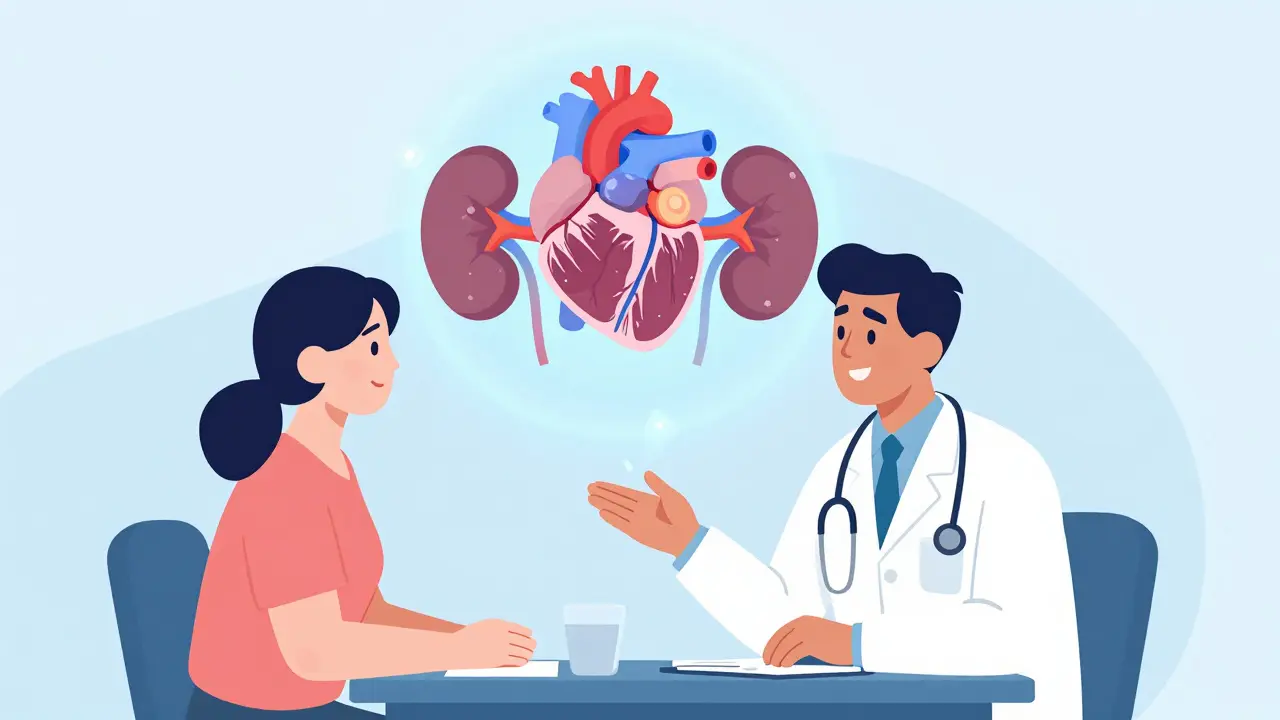
Living with Type 2 Diabetes a chronic condition affecting how your body processes blood sugar used to mean focusing almost entirely on lowering blood glucose numbers. Today, the conversation has shifted. Doctors now prioritize protecting your organs, specifically your heart and kidneys. This change comes from a specific class of drugs that have changed the game entirely. SGLT2 inhibitors are no longer just about sugar control; they are a cornerstone for preventing heart failure and kidney disease. If you or a loved one has diabetes, understanding these medications could be the difference between managing symptoms and protecting your long-term health.
What Exactly Are SGLT2 Inhibitors?
To understand why these drugs are so special, you have to look at how your kidneys normally work. Your kidneys filter waste from your blood, but they also try to keep useful things, like glucose, in your body. They do this through a protein called SGLT2. In people without diabetes, the kidneys reabsorb almost all the glucose they filter. However, in diabetes, the body holds onto too much sugar, leading to high blood levels.
SGLT2 inhibitors a class of antihyperglycemic medications that block glucose reabsorption in the kidney stop this process. They tell the kidneys to let excess sugar leave your body through urine instead of keeping it in your bloodstream. This is unique because it doesn't rely on insulin. If your pancreas isn't making enough insulin, these drugs still work. They were first approved by the FDA U.S. Food and Drug Administration responsible for approving medications back in 2013, starting with drugs like Dapagliflozin Farxiga. Since then, they have become a standard part of treatment for many patients.
How They Protect Your Heart
The real breakthrough happened when researchers noticed something unexpected during clinical trials. While testing these drugs for blood sugar, they found that patients were having fewer heart attacks and spending less time in the hospital for heart issues. This wasn't just a side effect; it was a primary benefit. The EMPA-REG OUTCOME a landmark clinical trial published in 2015 trial was the first to show this clearly. It demonstrated that Empagliflozin Jardiance reduced the risk of cardiovascular death by 38% compared to a placebo.
Later trials like DAPA-HF a study focusing on heart failure outcomes and EMPEROR-Reduced a trial investigating heart failure with reduced ejection fraction expanded this knowledge. They showed that these medications help even if you don't have diabetes, provided you have heart failure. For a diabetic patient, this is huge. It means one pill can tackle two major threats at once. The American Heart Association a leading organization for cardiovascular health now recommends these drugs for almost all patients with heart failure, regardless of whether they have diabetes or not. They reduce hospitalizations by about 25% to 30%, which translates to fewer scary nights in the ICU and more time at home with family.
Kidney Protection Beyond Sugar Control
Diabetes is the leading cause of kidney failure in the United States. High blood sugar damages the tiny filters in your kidneys over time. Traditionally, doctors tried to slow this down by controlling blood pressure and sugar tightly. SGLT2 inhibitors added a new layer of defense. The CREDENCE a major clinical trial on kidney disease outcomes trial proved that Canagliflozin Invokana reduced the risk of kidney failure or doubling of creatinine by 30%.
This protection works through hemodynamic effects. The drug lowers the pressure inside the kidney's filtering units, giving them a break. You might see a small, temporary drop in your eGFR (a measure of kidney function) when you start the medication. Don't panic. Doctors know this happens. It usually stabilizes after a few months and actually signals that the kidney is being protected from high pressure. Recent data from the EMPA-KIDNEY a trial presented in 2023 regarding kidney events trial suggests these benefits extend to patients without diabetes as well. This has pushed guidelines to recommend them for chronic kidney disease broadly, not just for diabetics.

Comparison with Other Diabetes Medications
You might wonder how these compare to the older drugs you've heard of. Metformin a first-line diabetes medication known for cost-effectiveness is still the usual starting point because it is cheap and effective for sugar. However, it doesn't offer the same proven protection against heart death or kidney failure. Sulfonylureas a class of drugs that stimulate insulin production are another option, but they can cause low blood sugar and weight gain, which are risks SGLT2 inhibitors avoid. In fact, SGLT2 inhibitors often help you lose a few pounds, which is a welcome bonus for many.
| Medication Class | Heart Protection | Kidney Protection | Weight Effect | Hypoglycemia Risk |
|---|---|---|---|---|
| SGLT2 Inhibitors | High (Proven) | High (Proven) | Weight Loss | Low |
| Metformin | Moderate | Neutral | Neutral | Low |
| Sulfonylureas | None | None | Weight Gain | High |
| DPP-4 Inhibitors | Neutral | Neutral | Neutral | Low |
Cost is a major factor. Generic Metformin costs pennies a day. Brand-name SGLT2 inhibitors can range from $520 to $600 per month without insurance. However, many insurance plans now cover them because the long-term savings on heart and kidney care are significant. Generic versions are expected to enter the market between 2025 and 2028, which should lower prices significantly for everyone.
Side Effects and Safety Considerations
Like any medication, these drugs come with risks you need to manage. The most common issue is genital yeast infections. Because the drug puts sugar in your urine, it creates a breeding ground for yeast. This happens in about 4% to 5% of patients. It is usually treatable with antifungal creams, but it can be uncomfortable. You might also urinate more often at first. This is part of the mechanism, but it can be annoying for some.
A more serious but rare risk is Diabetic Ketoacidosis a dangerous condition where the body produces excess blood acids (DKA). This is a medical emergency where your blood becomes too acidic. It can happen even if your blood sugar isn't extremely high, which is why it's called euglycemic DKA. The risk is low, around 0.1% to 0.3%, but it is higher during times of illness, surgery, or extreme dieting. The FDA requires a boxed warning for this risk. If you are sick, you may need to pause the medication, but always check with your doctor first.
There was also a specific concern with Canagliflozin regarding lower-limb amputations. The data showed a modest increase in risk compared to placebo. Because of this, doctors are careful to screen patients for poor circulation or existing foot problems before prescribing it. Other drugs in the class, like Empagliflozin and Dapagliflozin, did not show the same signal in their trials. Volume depletion is another issue, especially for elderly patients or those on diuretics (water pills). You need to stay hydrated and monitor your blood pressure.
Who Should Take These Medications?
Guidelines have shifted dramatically in recent years. The American Diabetes Association an organization setting standards for diabetes care now recommends SGLT2 inhibitors as a first-line therapy for anyone with Type 2 Diabetes who also has established cardiovascular disease, heart failure, or chronic kidney disease. It is no longer just a second or third option after Metformin fails. If your kidney function (eGFR) is above 45 mL/min/1.73m², you are likely a candidate. Even if it is lower, some drugs can still be used for heart and kidney protection, though they might not lower sugar as much.
Doctors look at your overall health picture. If you are at high risk for heart failure, these drugs are almost essential. They work well in combination with other diabetes meds like Metformin or GLP-1 receptor agonists. The key is coordination. You might need an endocrinologist, a cardiologist, and a nephrologist working together. Communication is vital because the drug affects multiple systems in your body.
Practical Tips for Starting Treatment
Starting this medication requires a bit of preparation. First, discuss your hydration habits with your provider. Make sure you drink enough water, especially in hot weather. Second, be honest about your history of infections. If you get frequent yeast infections, ask about preventive strategies. Third, understand the signs of DKA. Symptoms include nausea, vomiting, stomach pain, and trouble breathing. If you feel these, seek help immediately.
Insurance coverage can be tricky. Some plans require you to try cheaper drugs first. If you hit a wall, ask your doctor about prior authorization. Sometimes they can write a letter explaining why you specifically need this drug for heart or kidney protection. Many manufacturers also offer copay cards that can reduce your out-of-pocket cost to as little as $10 a month if you qualify. As we move through 2026, more patients are gaining access as guidelines solidify and insurers recognize the long-term value.
Can I take SGLT2 inhibitors with Metformin?
Yes, they are commonly prescribed together. Metformin lowers sugar production in the liver, while SGLT2 inhibitors remove sugar through urine. This combination often provides better blood sugar control than either drug alone without increasing the risk of low blood sugar.
Do these drugs work if I don't have diabetes?
Yes, recent trials like EMPA-KIDNEY and DELIVER show benefits for heart failure and kidney disease even in patients without diabetes. Your doctor may prescribe them for these conditions regardless of your glucose levels.
What should I do if I get a yeast infection?
Treat it with antifungal medication as prescribed by your doctor. It does not usually mean you must stop the diabetes medication permanently, but you should inform your healthcare provider so they can monitor your symptoms.
Will my kidney function numbers drop when I start?
You may see a small, temporary drop in your eGFR within the first few months. This is often a sign of the drug reducing pressure in the kidney filters and is generally considered a protective effect rather than damage.
Are there cheaper generic versions available yet?
As of 2026, generic versions are expected to enter the US market between 2025 and 2028. Until then, brand-name costs remain high, but manufacturer copay assistance programs can help reduce the price significantly.
Managing diabetes is a marathon, not a sprint. The introduction of SGLT2 inhibitors has given patients and doctors a powerful tool to protect vital organs. It is about more than just a number on a glucose meter. It is about staying out of the hospital and keeping your heart and kidneys healthy for years to come. Talk to your doctor about whether this class of medication fits your specific health profile. With the right plan, you can take control of your future.
Blessing Ogboso
March 26, 2026 AT 03:47It is truly remarkable how medical science continues to evolve in ways that prioritize our long term well being over simple symptom management. When we look at the history of diabetes treatment we see a clear progression from just lowering numbers to actually preserving life and function. The introduction of these inhibitors shows that doctors are finally listening to the body as a whole system rather than isolated parts. Many patients have suffered for years without knowing that their heart and kidneys were under such silent threat from the disease itself. Understanding the mechanism of how the kidneys filter glucose gives us a deeper appreciation for the complexity of human biology. It is not just about taking a pill but about empowering yourself with knowledge that can save your future health. We must encourage everyone to talk openly with their providers about these options because silence often leads to complications. The data from the trials is overwhelming and it is time we trust the evidence that has been presented to us. Protecting the heart is just as important as managing the sugar levels in the blood stream. I hope that insurance companies will continue to recognize the value of these medications for the greater good. Community support plays a huge role in helping people navigate the side effects and the costs involved. We should not feel ashamed if we need help managing the financial burden of staying healthy. Every person deserves access to the best care available regardless of their background or income level. This shift in guidelines is a victory for public health and it should be celebrated by all of us. Let us move forward with hope and confidence in the tools that are now available to us.
Pat Fur
March 26, 2026 AT 04:32Great read on the shift in treatment focus.
Alex Arcilla
March 28, 2026 AT 02:44lol at the cost part because nobody actually gets these meds without fighting insurance. pharma loves to say its about health but the price tag says its about profit. side effects like yeast infections are annoying but i guess its better than a heart attack right. just glad they finally admit sugar isnt the only thing killing us. doctors pushing this hard feels like a new guideline every week though. whatever works i guess but my wallet is crying. atleast i dont have to inject insulin all the time anymore. still think the generic wait time is a joke for regular folks. hope the 2025 date actually comes true this time around. u know how long patents last lol.
Aaron Sims
March 29, 2026 AT 01:18WAKE UP PEOPLE!!! The big pharma companies are pushing this agenda to keep us dependent on expensive pills!!! They say it protects the heart but nobody is tracking the long term effects properly!!! It is all about the money and the trials are funded by the same people selling the drugs!!! They do not care about your kidneys or your heart failure stats!!! They care about the quarterly earnings report!!! Do your own research before swallowing another pill!!! The natural world has cures they do not want you to know about!!! Stay skeptical and question everything they tell you!!! Do not trust the FDA or the guidelines blindly!!! Think for yourselves!!!
Rachele Tycksen
March 29, 2026 AT 11:38i kinda agree with u about the cost but the heart stuff is real tho. my aunt took metformin for years and still had issues. typos everywhere sorry i type fast. hope u get insurance to cover it. teh side effects sound scary but better than surgery. just be careful with the sugar in urine thing. stay hydrated ok. thnks for sharing this info.
Zola Parker
March 30, 2026 AT 03:39Actually I think all this focus on drugs is missing the point of lifestyle changes. :/ I think we should just eat better and exercise more instead of relying on a pill. :P The body is designed to heal itself if we stop poisoning it. These inhibitors sound like a bandaid on a bullet wound. :/ But I guess if it keeps people out of the hospital it is worth a try. :)
florence matthews
March 30, 2026 AT 20:05I see where you are coming from but sometimes lifestyle changes arent enough for everyone. :) Diabetes is a complex disease and we need all the tools we can get. :) It is okay to use medication while trying to improve diet too. :) We should support each other in finding what works best for our bodies. :) Love and light to everyone managing this condition. :)
Natasha Rodríguez Lara
April 1, 2026 AT 08:41It is inspiring to see how much research has gone into protecting organs beyond just glucose control. I have seen friends benefit greatly from these new guidelines and it gives me hope for the future. The emphasis on heart health is something I think many people overlook until it is too late. Communication between specialists is key to making sure we get the right care plan. We need to keep advocating for better coverage so cost is not a barrier to life saving treatment. Staying informed is the best way to partner with your healthcare team effectively. I am glad this information is getting out there to help more people understand their options.