
Safe Chemotherapy Disposal at Home: A Practical Guide
 Sep, 4 2026
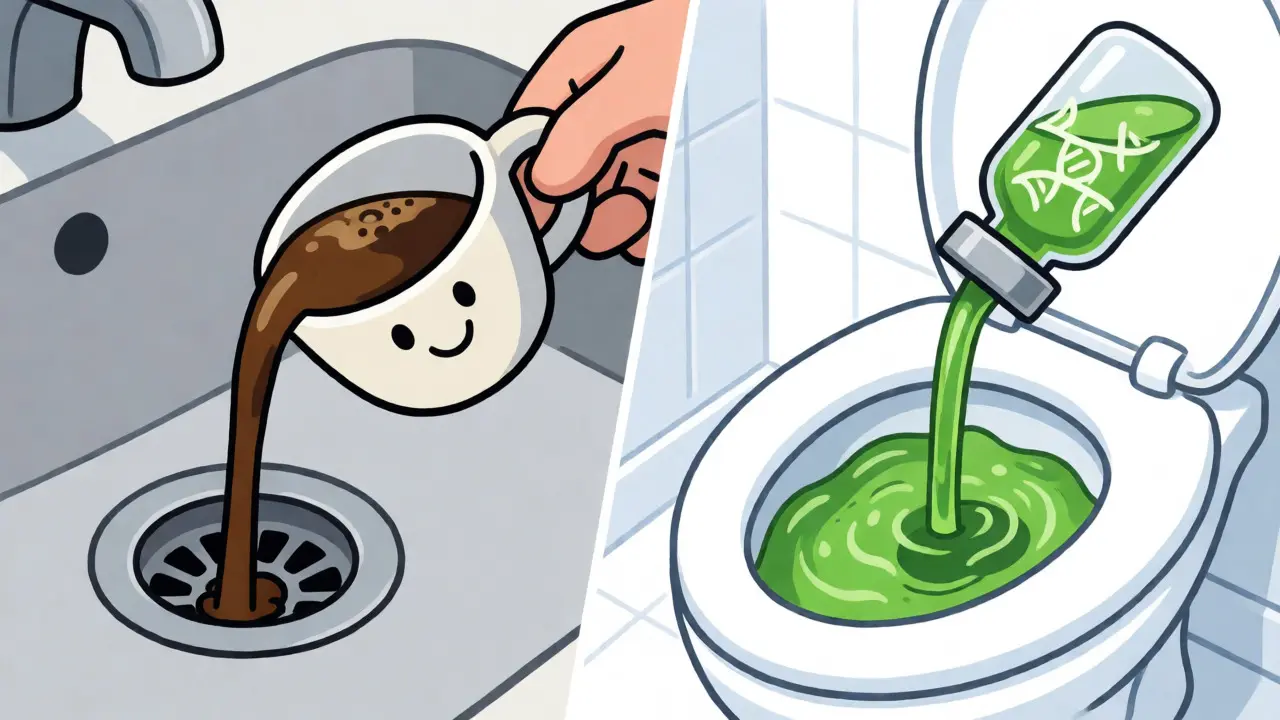
Imagine pouring a cup of coffee down the sink. Simple, right? Now imagine that same liquid contains cyclophosphamide, a potent chemotherapy drug capable of damaging DNA in cells it touches. If you flush that down your toilet, you aren't just cleaning up; you are potentially introducing genotoxic compounds into local waterways. For patients receiving chemotherapy at home, this isn't a hypothetical scenario-it's a daily reality. With home-based cancer treatments increasing by 37% since 2019, knowing how to safely discard these powerful agents is no longer optional. It’s a critical safety skill.
The core issue here is that chemotherapy medications are classified as hazardous pharmaceuticals due to their carcinogenic, mutagenic, and teratogenic properties. Unlike standard painkillers or antibiotics, these drugs don't just lose potency when expired; they remain biologically active and dangerous even in trace amounts. Improper disposal risks exposing family members, pets, and sanitation workers to harmful chemicals. This guide breaks down exactly what you need to do, based on current guidelines from the Cancer Institute of New Jersey (CINJ) and the American Cancer Society.
Why Standard Disposal Rules Don’t Apply
You might be tempted to toss an old pill bottle in the trash or run some leftover liquid under the tap. Stop. The FDA’s general "flush list" for certain opioids does not apply to chemotherapy. In fact, the Environmental Protection Agency (EPA) explicitly prohibits flushing cytotoxic drugs because wastewater treatment plants are often not equipped to filter out these complex molecules. A 2021 EPA study found detectable levels of chemotherapy drugs in 67% of tested U.S. waterways, directly linking improper home disposal to environmental contamination.
Furthermore, the risk extends beyond the environment. Residual chemotherapy agents can remain active in bodily fluids-urine, feces, vomit, and sweat-for 48 to 72 hours after administration. This means the hazard doesn't end when the infusion stops. Household members sharing a bathroom with a patient must treat all waste during this window as potentially infectious and toxic. Ignoring this timeline increases the risk of accidental exposure, which can lead to skin irritation, respiratory issues, or long-term health effects for caregivers.
Essential Supplies for Safe Handling
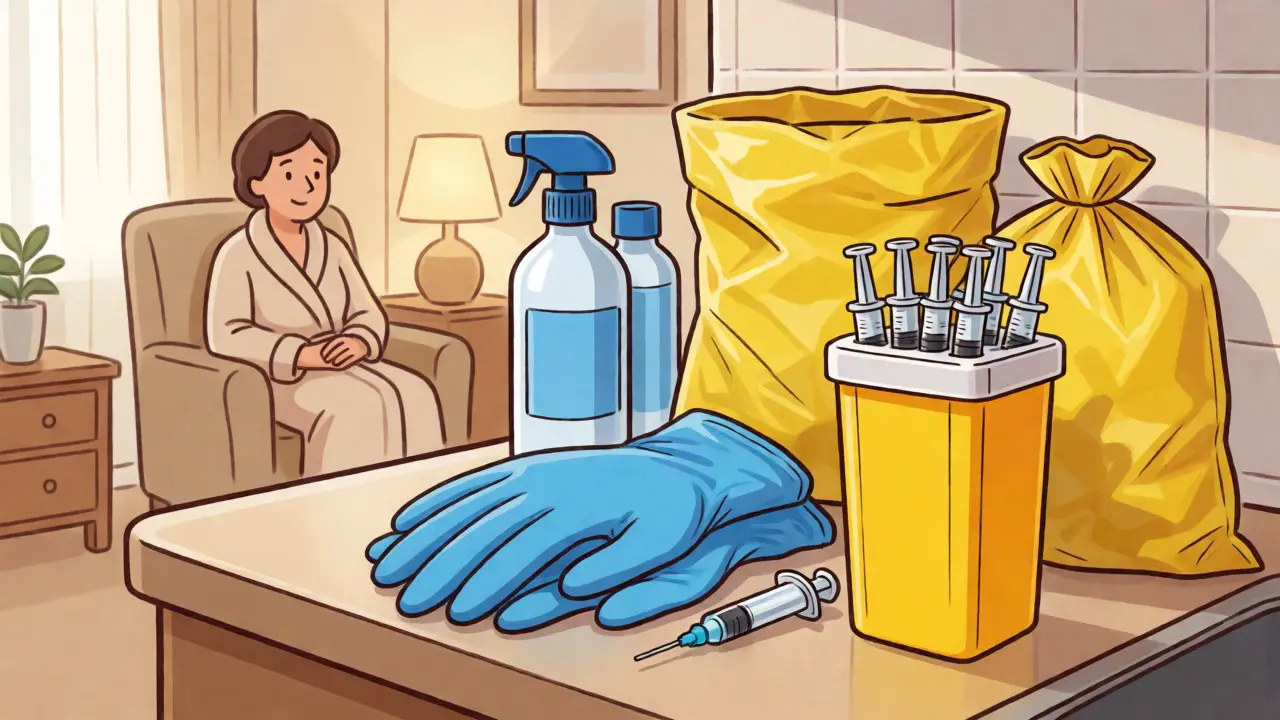
Before you handle any medication, you need the right gear. You cannot rely on household latex gloves or thin plastic bags. The CINJ 2022 guidelines specify strict requirements for personal protective equipment (PPE) and containment materials. Using substandard supplies significantly raises the chance of permeation and leakage.
- Nitrile Gloves: Use powder-free nitrile gloves with a thickness of at least 6 mil (0.15mm). Latex offers poor protection against many cytotoxic agents, and thin vinyl tears easily.
- Leak-Proof Bags: You need heavy-duty plastic bags, minimum 1.5 mil thickness. These should meet ASTM D1735 standards for puncture resistance.
- Yellow Sharps Containers: For needles, IV tubing, and vials. These must be rigid, puncture-resistant, and labeled for biohazardous waste.
- Dedicated Cleaning Cloths: Disposable cloths specifically for decontaminating surfaces. Never use reusable rags that will go back into the laundry.
Most oncology centers provide an initial kit containing these items. However, replacement costs average $15.75 per month if you run out. Keep a stockpile handy so you’re never forced to improvise with regular trash bags.
Step-by-Step Disposal Protocol
The process differs slightly depending on whether you are disposing of solid pills, liquids, or sharps. Here is the standardized workflow recommended by healthcare providers.
Disposing Solid Oral Medications
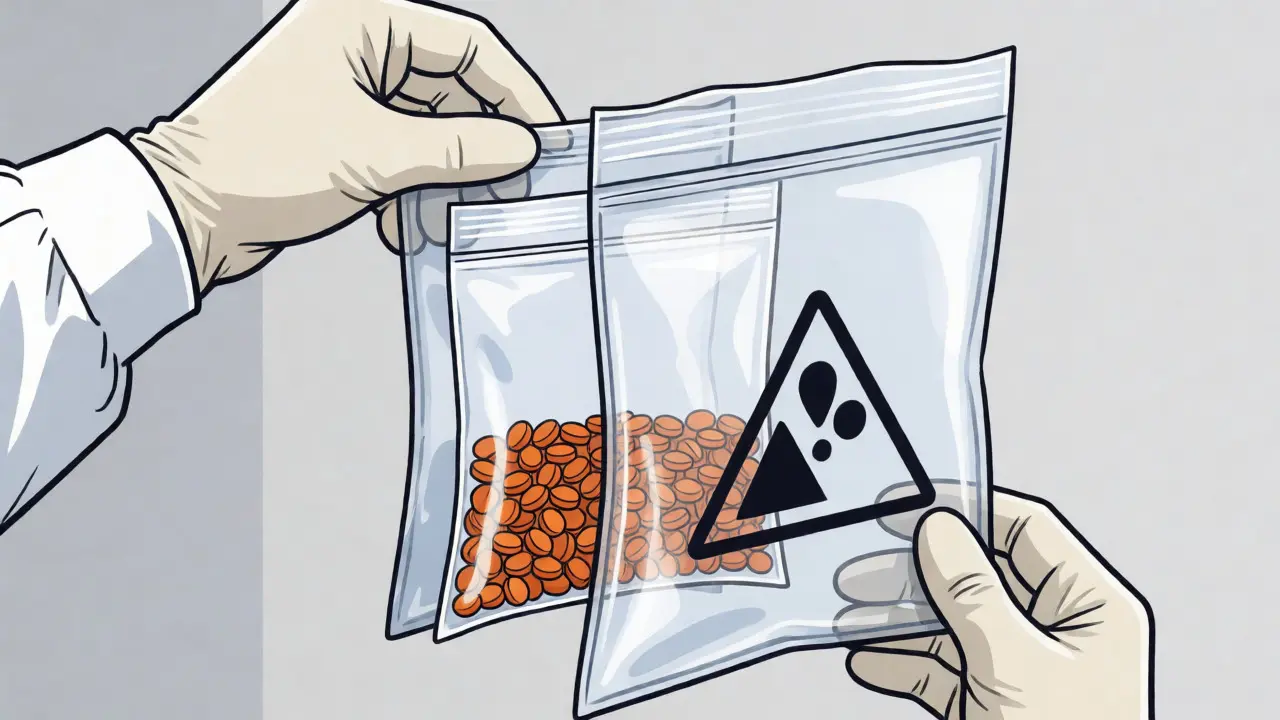
Never crush oral chemotherapy pills unless instructed by your pharmacist. Crushing releases dust that can be inhaled, bypassing skin barriers entirely. Instead, keep the pills in their original container if possible. If the label is removed or the container is damaged, follow the double-bagging method:
- Put on nitrile gloves.
- Place the pills into a small inner zip-lock bag or sealable plastic pouch.
- Seal the inner bag tightly, removing as much air as possible.
- Place the sealed inner bag into a larger outer leak-proof bag.
- Seal the outer bag securely.
- Label the outer bag as "Hazardous Waste - Do Not Open."
Handling Liquid Waste and Spills
Liquid chemotherapy requires extra caution. If you have unused liquid medication, absorb it first. Pour the liquid onto an inert absorbent material like cat litter, sand, or paper towels. Once absorbed, place the material into the inner bag, seal it, and then place it in the outer bag. Never pour liquid chemo directly into the trash bin.
If a spill occurs, act fast but calmly. Put on full PPE: gloves, gown, face shield, and mask. Cover the spill with absorbent pads. Clean the area thoroughly with soap and water, then disinfect. Dispose of all cleanup materials, including the used gloves and cloths, using the double-bagging method described above.
Sharps and IV Components
Used needles, syringes, and IV tubing must go into a yellow sharps container immediately after use. Do not recap needles. Once the container is three-quarters full, seal it according to the manufacturer’s instructions. Many pharmacies accept sealed sharps containers for return, but check locally first. Do not put sharps in regular household trash where sanitation workers could be pricked.
Where to Take Your Waste
Once your hazardous waste is properly bagged and labeled, where does it actually go? This is often the most confusing part for patients. There is no single national drop-off point, so you have a few options, each with pros and cons.
| Method | Acceptance Rate | Risk Level | Best For |
|---|---|---|---|
| Hospital/Clinic Return | High (if provided) | Low | Patients near treatment centers |
| Pharmacy Take-Back | Low (34%) | Medium | Small quantities of pills |
| Mail-Back Program | Very Low (28%) | Medium | Those without transport |
| Household Trash* | N/A | High | Last resort only |
*Note: Household trash is acceptable only if your local municipality allows hazardous pharmaceutical waste in the regular bin AND you have strictly followed the double-bagging protocol. Most experts recommend avoiding this if any other option exists.
Call your oncology clinic before throwing anything away. Many centers offer free take-back services for unopened boxes or even used supplies. Stericycle-operated MedDrop kiosks are another option, though they only accept about 63% of cancer drugs compared to nearly all conventional meds. Always verify acceptance before driving to a location.
Common Mistakes to Avoid
Even well-intentioned patients make errors. A survey by CancerCare found that 68% of patients needed multiple training sessions to get disposal right. Here are the top pitfalls:
- Flushing: Never flush chemo drugs. Even if the package insert says "dispose in toilet," this usually applies to non-hazardous components. For cytotoxics, the rule is absolute: no flushing.
- Cutting Pills: As mentioned, crushing or cutting tablets creates airborne particles. Swallow whole unless directed otherwise.
- Ignoring Bodily Fluids: Caregivers must wear gloves when handling bed linens or cleaning the toilet for 48-72 hours post-treatment.
- Using Regular Trash Bags: Thin kitchen bags tear easily. If a bag leaks in the truck, the driver is exposed. Use thick, industrial-grade bags.
What About Pets and Children?
If you have kids or pets, store all chemotherapy medications in a locked cabinet out of reach. Accidental ingestion of a single dose of certain oral chemo agents can be life-threatening for a child. Similarly, cats and dogs can be sensitive to topical residues. If a pet licks a surface recently cleaned with chemo residue, monitor them for vomiting or lethargy. When cleaning up spills, keep pets out of the room until surfaces are completely dry and ventilated.
Can I flush chemotherapy pills down the toilet?
No. The EPA and FDA advise against flushing hazardous pharmaceuticals, including chemotherapy drugs, because they contaminate water systems. Always dispose of them in the trash using the double-bagging method or return them to a pharmacy or clinic.
How long do I need to handle bodily fluids as hazardous?
You should continue special handling precautions for urine, feces, vomit, and sweat for 48 to 72 hours after each chemotherapy session. During this time, wear gloves when cleaning up after the patient and wash linens separately.
Do I need to buy my own disposal bags?
Most healthcare providers supply an initial kit with gloves, bags, and sharps containers. However, you may need to purchase replacements. Look for nitrile gloves (6 mil+) and leak-proof bags (1.5 mil+). Costs average around $15-$20 per month depending on usage.
Can I put used chemo needles in the regular trash?
It depends on your local regulations, but generally, no. Used needles are considered sharps and pose a puncture hazard. They should be placed in a rigid, puncture-resistant yellow sharps container. Check with your local pharmacy or health department for drop-off locations.
What if I spill liquid chemotherapy?
Wear full PPE (gloves, gown, mask, eye protection). Cover the spill with absorbent material, clean the area with soap and water, and dispose of all cleanup materials in a double-bagged hazardous waste bag. Do not use a vacuum cleaner.
Final Thoughts on Safety
Managing chemotherapy at home gives you freedom and comfort, but it comes with responsibility. By treating every pill and drop of fluid as a potential hazard, you protect your loved ones and your community. Keep your disposal supplies stocked, follow the double-bagging rule religiously, and never hesitate to call your care team if you’re unsure. Small steps today prevent big problems tomorrow.
Shu Chowdhury
September 6, 2026 AT 00:41my mom went through this last year and honestly the confusion about where to actually drop off the waste was the worst part. we ended up driving an hour to a specific pharmacy because our local one just said no
Louis Tarro
September 6, 2026 AT 21:27I must say, the distinction regarding bodily fluids is paramount yet often overlooked by laypersons.
It is truly unfortunate that so many individuals remain unaware of the genotoxic potential lurking in their own bathrooms for days after treatment concludes. One ought to treat every surface with the utmost reverence for safety.
Rob Alderman
September 7, 2026 AT 02:10The reliance on municipal infrastructure for hazardous waste disposal remains fundamentally flawed. Most local sanitation departments lack the requisite protocols for cytotoxic agents leading to systemic environmental negligence.
Amy B
September 7, 2026 AT 03:16omg yes!! i totally forgot about the cat litter trick for liquids until i read this. super useful tip!! also the bit about not crushing pills saved me from making a huge mess last time lol
i had no idea the gloves needed to be that thick though. mine were basically paper-thin nitrile and i felt like they might dissolve if i sneezed near them 💀
Evelyn Reed
September 9, 2026 AT 01:14the permeation coefficient of standard latex against cyclophosphamide is abysmal hence the necessity for 6 mil nitrile. most people underestimate the vapor pressure risks during spill cleanup too. it's all about molecular integrity really
Kimberley Odish
September 10, 2026 AT 16:25This guide is woefully inadequate for anyone without financial privilege. You assume access to specialized PPE kits and reliable transport to distant take-back locations. For the average patient juggling side effects and costs this is a luxury not a practical reality. The system fails them before they even start handling the drugs.
Eric Schultze
September 12, 2026 AT 09:43We are being poisoned slowly and systematically. The EPA knows exactly what these compounds do to our water tables yet they allow this lax enforcement. It is not an accident; it is policy. They want us exposed while corporations profit from the production.
Somnath Thombre
September 12, 2026 AT 17:05hey guys dont panic! its manageable once you get the routine down. my neighbor helped me set up a little station in the garage so i didnt have to worry about kids getting into it. keep your spirits high and follow the steps carefully! you got this!
Mary Tait
September 13, 2026 AT 11:27In America, we expect our healthcare providers to handle the logistics of hazardous materials. If a drug is prescribed for home use, the manufacturer or provider should bear the burden of safe disposal infrastructure. Pushing this onto the taxpayer-patient is unacceptable administrative laziness.
Rebecca Makayla Crane
September 13, 2026 AT 13:13honestly the double bagging feels so extra but then again chemo is literally poison so 🤷♀️
i bought those fancy yellow sharps containers online and they look like tiny coffins which is kinda morbid but cute? anyway good info here ✨
Aurelio Haney
September 13, 2026 AT 16:59Finally someone explains why flushing is bad 😡 I've been telling my uncle for years that he can't just dump his leftover meds in the toilet. He thinks because it's liquid it disappears. Ignorance is bliss until you're cleaning up the mess. :/
Shu Chowdhury
September 13, 2026 AT 22:30that drive was brutal especially when she was feeling nauseous. glad there are mail back programs now though. saves so much hassle
Jeremy Westcott
September 14, 2026 AT 02:46you think they care about your water table? nah. they care about compliance metrics. if you don't flush it they tick a box. if you flush it nobody checks the sewer output for months. it's a numbers game and we are the variables they ignore.
Jim Bisesi
September 14, 2026 AT 14:30ugh so much reading. just put it in the trash i guess. who has time for all these rules when you're sick?
Jenn Bell
September 15, 2026 AT 03:45hang in there! it seems overwhelming at first but you'll get the hang of it quickly. sending positive vibes your way!