
Opioid Safety: Naloxone, Overdose Risks, and Safe Storage
 Jul, 3 2026
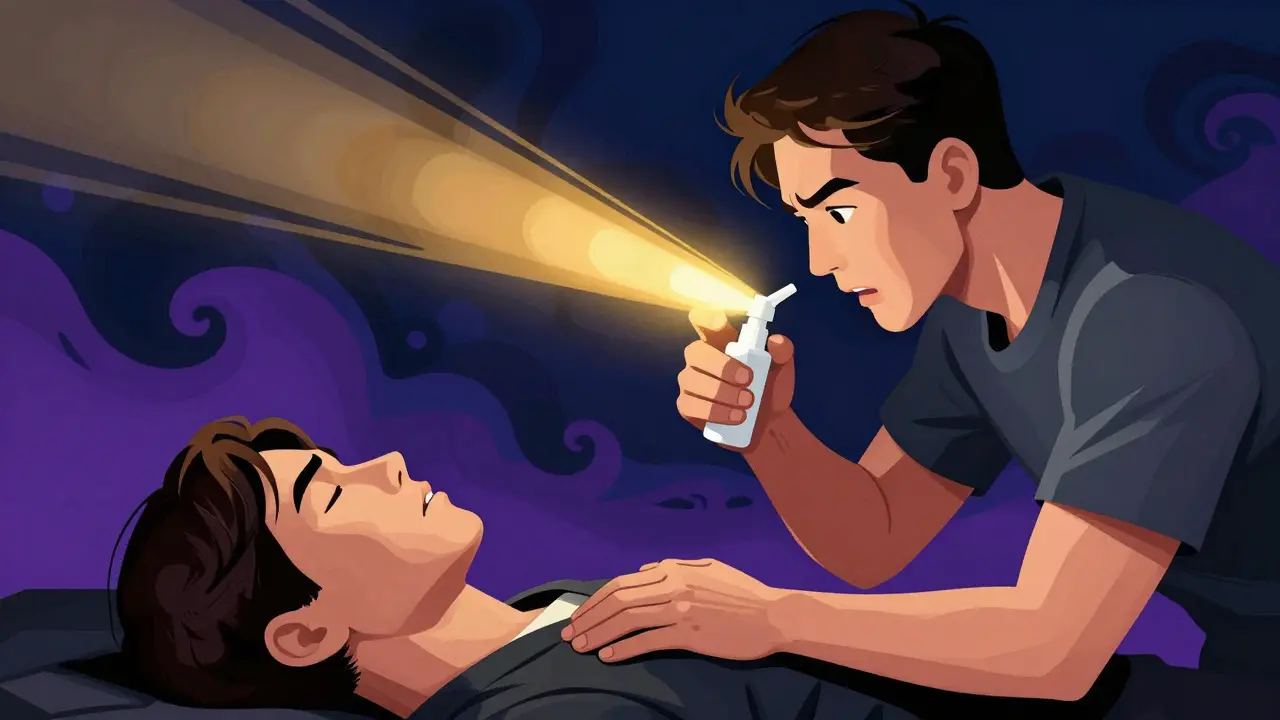
You never think it will happen to you or someone you love. One moment, a friend is joking; the next, they are unresponsive, their breathing has slowed to a dangerous crawl, and panic sets in. This is the reality of the opioid crisis, which claimed over 107,000 lives in the United States alone in 2022. But there is a tool that can turn this tragedy around in minutes: Naloxone is a life-saving medication that rapidly reverses opioid overdoses by blocking opioid receptors in the brain. Understanding how to use it, recognizing the signs of an overdose, and storing your medications safely are not just medical details-they are survival skills.
This guide cuts through the confusion. We will look at exactly how naloxone works, what to do when seconds count, and how to keep opioids secure so they don’t fall into the wrong hands. Whether you are prescribed painkillers like oxycodone or morphine, or you are simply concerned about a loved one, this information could save a life.
How Naloxone Works: The Science of Reversal
To understand why naloxone is so effective, you have to look at what happens during an overdose. Opioids-including heroin, fentanyl, oxycodone, and prescription painkillers-attach to specific receptors in your brain called µ-opioid receptors. When they bind to these receptors, they slow down your heart rate and, most critically, your breathing. If breathing stops, brain damage begins within minutes, followed by death.
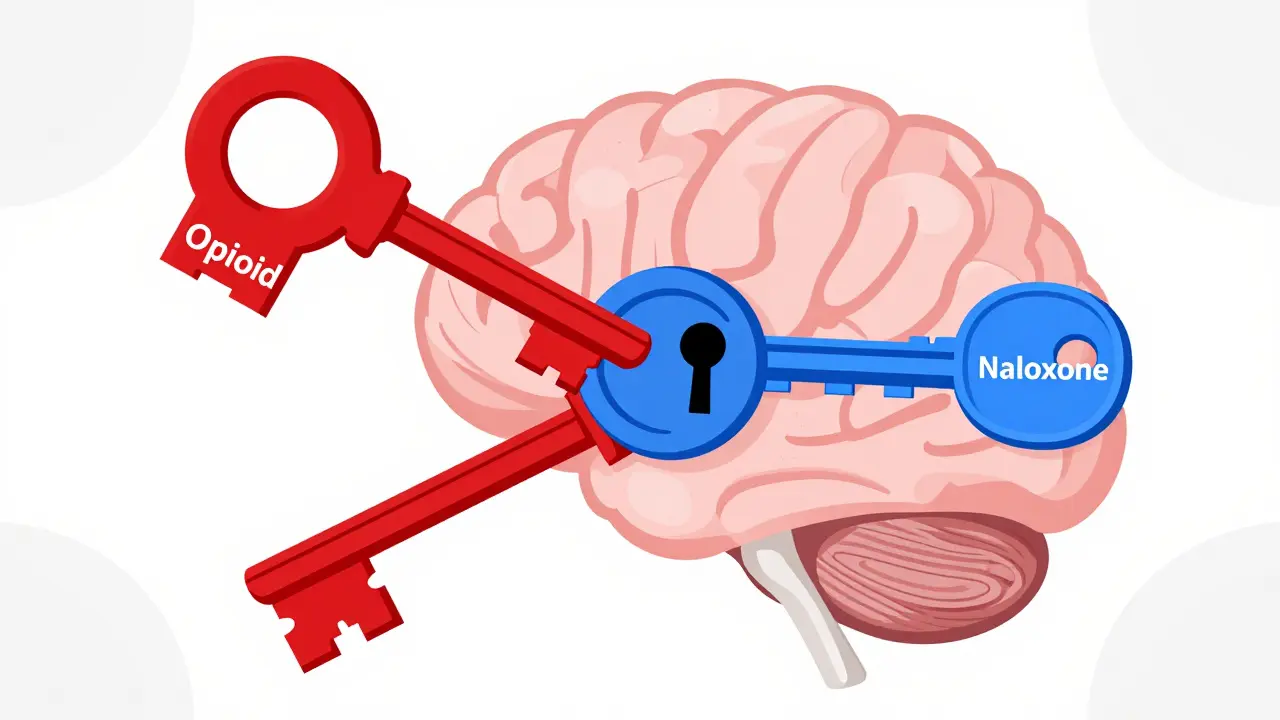
Naloxone acts as a competitive inhibitor. Think of it like a key that fits into a lock better than the original key. It rushes into those same opioid receptors, kicking the opioid molecules out and taking their place. Because naloxone doesn’t activate the receptor, it instantly blocks the opioid’s effects. This restores normal respiration, often within 3 to 5 minutes of administration.
The beauty of naloxone is its safety profile. It has no effect on people who do not have opioids in their system. You cannot “overdose” on naloxone itself. This makes it incredibly safe for laypeople to carry and administer. However, it does have a limitation: its duration of action is short, typically lasting only 30 to 90 minutes. Many modern opioids, especially synthetic ones like fentanyl, stay in the body much longer. This means a person might wake up after receiving naloxone, but then slip back into an overdose once the naloxone wears off-a phenomenon known as re-narcotization. This is why calling emergency services immediately is non-negotiable.
Recognizing an Opioid Overdose: What to Look For
Time is the enemy in an overdose situation. Survival rates drop significantly if naloxone is delayed beyond five minutes. Knowing the signs can help you act fast. While symptoms can vary, the classic triad of an opioid overdose includes:
- Unresponsiveness: The person cannot be woken up, even with loud shouting or vigorous shaking (like rubbing the sternum).
- Respiratory Depression: Breathing is slow, irregular, shallow, or has stopped completely. You might hear gurgling or snoring sounds.
- Pupillary Constriction: The pupils become very small, often described as “pinpoint.”
Other signs may include pale or bluish skin, especially around the lips and fingernails, and limp muscles. It is crucial to distinguish an opioid overdose from other medical emergencies. For example, if someone has passed out from alcohol or benzodiazepines, naloxone will not work. NIDA emphasizes that naloxone only targets opioid receptors. If you are unsure, administering naloxone is still the safest bet because it won’t harm someone who isn’t overdosing on opioids, but waiting could cost a life.
Administering Naloxone: Step-by-Step Instructions
Most community distribution programs provide naloxone in a prepackaged nasal spray format, such as Narcan. This method was approved for over-the-counter sale in all 50 U.S. states by late 2023, making it more accessible than ever. Here is how to use it correctly:
- Call 911 first. Do not wait to see if naloxone works. Professional medical help is always required because the person may need further treatment or monitoring.
- Check for responsiveness. Try to wake the person. If they are unresponsive and breathing poorly, proceed.
- Position the person. Lay them on their back. Tilt their head back slightly to open the airway.
- Prepare the device. Remove the naloxone nasal spray from its packaging. Hold it with your thumb on the plunger and your fingers on either side of the nozzle.
- Insert and spray. Gently insert the tip into one nostril until your fingers touch the bottom of the nose. Press the plunger firmly to release the dose.
- Monitor and support. Stay with the person. If there is no response after 2 to 3 minutes, you may administer a second dose if available. Perform rescue breathing if they are not breathing.
- Recovery position. Once the person starts breathing again, roll them onto their side. This prevents choking if they vomit, which is a common side effect of naloxone as it triggers sudden withdrawal.
A 2021 study in the Journal of Addiction Medicine found that nasal sprays had an 85% success rate when used by laypeople, largely due to their ease of use compared to intramuscular injections. Remember, the goal is to buy time until paramedics arrive.
Fentanyl and Synthetic Opioids: The New Challenge
The landscape of the opioid crisis has shifted dramatically. In 2022, synthetic opioids like fentanyl were involved in 80% of overdose deaths in the U.S. Fentanyl is 50 to 100 times more potent than morphine. This potency changes the rules of engagement.
Because fentanyl binds so strongly and stays in the system longer, standard doses of naloxone may not be enough. The CDC reported that 40% of fentanyl overdose reversals required more than one dose of naloxone. In some cases, multiple doses are needed to fully reverse the respiratory depression. This is why carrying two kits is often recommended for high-risk situations.
In April 2024, the FDA approved a higher-dose (8 mg) naloxone nasal spray specifically designed to combat potent synthetic opioids. While the standard 4 mg dose is still effective for many cases, having access to higher doses or being prepared to administer multiple standard doses is critical. Research is ongoing into longer-acting formulations, such as nalmefene, which has shown promise in sustaining reversal for up to 90 minutes, but these are not yet widely available for public use.
| Agent | Duration of Action | FDA Status for Overdose | Key Limitation |
|---|---|---|---|
| Naloxone | 30-90 minutes | Approved (Injectable & Nasal) | Short duration; risk of re-narcotization |
| Nalmefene | Up to 11 hours | Not approved for overdose reversal | Longer availability pending clinical validation |
Safe Storage: Preventing Accidental Exposure
Prevention is just as important as intervention. Many accidental overdoses involve children, teenagers, or pets accessing medications stored loosely in homes. According to the American Association of Poison Control Centers, thousands of calls each year relate to accidental ingestion of opioids.
If you have prescribed opioids in your home, follow these strict storage guidelines:
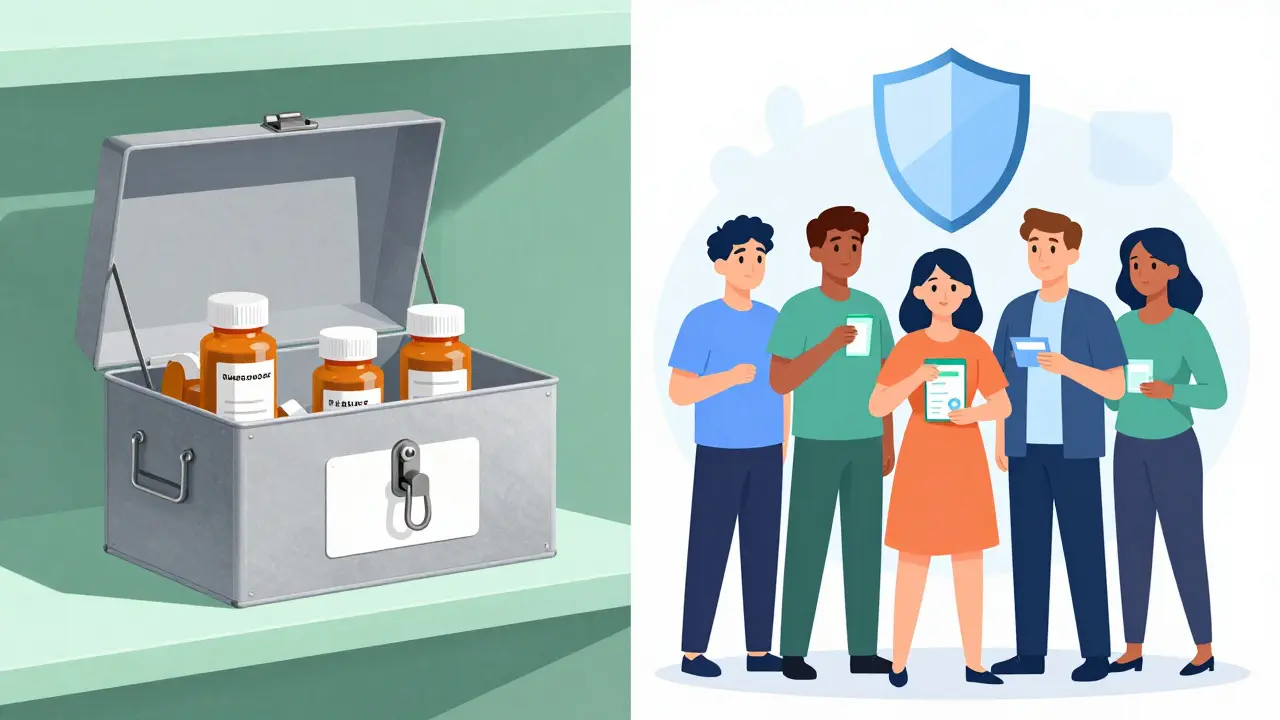
- Use a locked container. A simple pillbox is not enough. Use a lockbox or a locked cabinet that is inaccessible to children and visitors.
- Keep it cool and dry. Store medications in a place away from humidity and heat, such as a bathroom medicine cabinet, unless the label specifies otherwise.
- Dispose of unused meds properly. Do not flush opioids down the toilet unless instructed to do so (only certain drugs should be flushed). Instead, take them to a drug take-back location. Many pharmacies and law enforcement agencies host collection boxes. The DEA regularly organizes National Prescription Drug Take Back Days.
- Never share prescriptions. Sharing opioids is illegal and dangerous. Even if someone else has similar pain, their tolerance and medical history may make your dosage lethal for them.
For those dealing with addiction, keeping naloxone visible and accessible is vital. Some experts recommend placing it near where opioids are stored or in a central location like a kitchen drawer, ensuring that anyone in the household knows where it is and how to use it.
Community Resources and Training
You do not need a medical degree to learn how to save a life. Most state health departments and local harm reduction organizations offer free or low-cost naloxone training sessions. These sessions typically last 15 to 20 minutes and cover recognition, administration, and post-overdose care. A 2023 Johns Hopkins study found that 92% of participants could correctly administer naloxone after just one brief training session.
In addition to training, several resources are available for support:
- Poison Help Hotline: 1-800-222-1222 (U.S.) - Available 24/7 for advice on exposures and overdoses.
- Local Health Departments: Often distribute free naloxone kits and provide training.
- Harm Reduction Coalition: Offers online resources and connects users with local distributors.
Carrying naloxone is an act of community care. It removes the stigma around overdose and replaces fear with preparedness. As Dr. Nora Volkow, Director of NIDA, stated, naloxone is one of the most effective public health interventions we have. By understanding the risks, knowing how to use the antidote, and securing your medications, you become part of the solution.
Does naloxone work on all types of drugs?
No. Naloxone only reverses overdoses caused by opioids, such as heroin, fentanyl, oxycodone, hydrocodone, and morphine. It is ineffective against overdoses involving benzodiazepines (like Xanax), stimulants (like cocaine or methamphetamine), or alcohol. If the cause of the overdose is unknown, it is still safe to administer naloxone.
Can I give naloxone to someone who is not overdosing?
Yes. If a person does not have opioids in their system, naloxone will have no effect. It will not cause harm, induce a high, or create any negative side effects. This safety profile is why it is recommended to administer it if you suspect an opioid overdose, even if you are not entirely sure.
What happens after naloxone wears off?
Naloxone lasts for 30 to 90 minutes, while many opioids last much longer. Once the naloxone leaves the system, the opioids can re-bind to the receptors, causing the person to stop breathing again (re-narcotization). This is why it is critical to call 911 immediately and ensure the person receives professional medical monitoring, even if they appear fully awake.
Is naloxone available without a prescription?
As of December 2023, the FDA approved the first over-the-counter naloxone nasal spray (Narcan) in the United States. This means you can purchase it directly from pharmacies without a doctor’s prescription. Additionally, many states have standing orders that allow pharmacists to dispense it without a prescription even before federal approval.
Why do I need multiple doses for fentanyl overdoses?
Fentanyl is a synthetic opioid that is significantly more potent than natural opioids like morphine. It binds tightly to opioid receptors and remains in the body for a longer period. Standard doses of naloxone may not be strong enough to displace all the fentanyl molecules initially, or the naloxone may wear off before the fentanyl is cleared. Therefore, multiple doses (often 2-3) are frequently required to maintain breathing until emergency services arrive.
Where can I dispose of unused opioids safely?
The safest way to dispose of unused opioids is through a drug take-back program. Many pharmacies, hospitals, and law enforcement agencies have collection kiosks. You can also check for upcoming DEA National Prescription Drug Take Back Days. Avoid flushing medications down the toilet unless the label explicitly instructs you to do so, as this can contaminate water supplies.
Sean Estabrooks
July 5, 2026 AT 11:01They want you to think it's just bad luck or individual failure but the real story is buried under layers of pharmaceutical lobbying and government complicity. The opioid crisis wasn't an accident it was manufactured by design to keep populations sedated and compliant while they profit from the addiction cycle. Naloxone is a band-aid on a bullet wound because why fix the root cause when you can sell the antidote too? Big Pharma loves this narrative because it shifts the blame onto the user rather than the system that pumped these poisons into our water supply and schools. They tell you to store your meds safely as if that's the problem when the real issue is that the entire healthcare infrastructure is compromised by corporate interests. You see the stats rising and falling like clockwork because it's all part of a larger demographic engineering project. Don't let them distract you with safety tips while they continue to poison the well. The truth is out there if you're willing to look past the mainstream media spin.
Anna Bartle
July 7, 2026 AT 04:20This is such vital information! Please spread the word about naloxone being available OTC now. It saves lives every single day. If you have opioids in your home, please keep them locked up tight for the safety of children and pets. Remember to call 911 even after administering naloxone because re-narcotization is a real risk. We need more people trained in overdose response. Let's support each other and stay informed!
Gavin Edley
July 8, 2026 AT 10:37Oh great another lecture on how to survive the apocalypse we created ourselves. I bet you guys are all sitting around waiting for the fentanyl dust to settle so you can feel superior for having a nasal spray in your purse. It's almost cute how you think a little spray fixes the moral decay of society. I've seen what happens when people rely on these gadgets instead of taking responsibility for their own choices. You're not saving anyone you're just enabling the chaos. Next time try looking someone in the eye instead of hiding behind a FDA-approved device. But sure keep telling yourself it's about 'community care' while you ignore the fact that half these overdoses happen because people refuse to grow up.
Anna Bartle
July 10, 2026 AT 05:08Gavin, that's really harsh. No one deserves to die from an overdose. Naloxone doesn't enable addiction; it buys time for medical help. Judging people rarely helps anyone recover. Please be kinder.
Gavin Edley
July 11, 2026 AT 03:08Kinder? You think kindness stops a needle from going in an arm? This isn't a daycare it's a war zone and you're handing out teddy bears. I'm not judging the victim I'm judging the culture that celebrates weakness. Your pity is toxic. It keeps them dependent on you and the state instead of forcing them to face the music. Grow a spine and stop coddling the broken. That's not help that's harm disguised as virtue.
Amrithaa Thayaparan
July 12, 2026 AT 11:27ur so delusional gavin. its not about coddling its about basic human decency which u clearly lack. naloxone is science not magic. stop projecting ur hate onto ppl trying to save lives. ur toxicity is showing.
Divya Prakash
July 12, 2026 AT 18:09The sheer ignorance displayed in this thread is staggering. One must understand that the efficacy of naloxone is contingent upon a sophisticated understanding of pharmacokinetics which the average layperson simply does not possess. To suggest that anyone can administer this life-saving agent without rigorous academic preparation is akin to suggesting one can perform surgery with a butter knife. The article attempts to simplify complex biological mechanisms into digestible soundbites which is intellectually insulting to those who have dedicated their lives to medical research. Furthermore the notion that 'safe storage' is merely a matter of locking a cabinet ignores the broader socioeconomic implications of opioid distribution networks which require a nuanced geopolitical analysis far beyond the scope of this pedestrian guide. Only the educated elite truly grasp the gravity of the situation and unfortunately most here are too busy typing angry comments to comprehend the intricate dance of receptor binding affinities.
Mohit Patil
July 14, 2026 AT 06:56nah she right but also wrong. the gov knows exactly whats happening. they put microchips in the vaccines and now theyre selling the antidote. its all connected. the big pharma cartel controls the supply chain from start to finish. you think they care about saving lives? no they care about keeping the population docile. naloxone is just another tool of control. wake up sheeple. the real cure is natural herbs and detoxing your liver. but they wont tell you that will they. too much money in the synthetic drugs. follow the money trail and youll see the rot at the core of this system.
Chandan Sharma
July 14, 2026 AT 13:01One cannot simply dismiss the empirical evidence regarding the competitive inhibition properties of naloxone as mere conspiracy fodder. While Mr. Patil’s enthusiasm for alternative remedies is quaint, it lacks the rigorous scientific validation required to address the acute respiratory depression caused by potent synthetic opioids such as fentanyl. The mechanism of action is elegantly simple yet profoundly effective: naloxone displaces opioids from the µ-opioid receptors, thereby restoring normal respiration. To suggest otherwise is to engage in pseudoscientific ramblings that do a disservice to the victims of this epidemic. We must embrace the clarity of modern pharmacology rather than retreating into the shadows of misinformation. The data speaks for itself, and those who choose to ignore it do so at their peril.
Katie Dixon
July 14, 2026 AT 15:09Listen up folks! This is an American crisis first and foremost. Our borders are wide open and that's why we're flooded with fentanyl made by cartels. We need to secure the border NOW. Naloxone is good but it's a band-aid on a gaping wound caused by failed immigration policy. Why are we helping people who cross illegally bring death into our communities? It's time to stand up for our sovereignty and protect our families. Stop enabling the invaders and start enforcing the law. America first means keeping our streets safe from foreign poison.
Alana Frassinelli
July 16, 2026 AT 02:31i know this is heavy stuff and it feels overwhelming sometimes but we gotta stick together through this. seeing someone you love struggle with addiction is heartbreaking and scary but knowing what to do can make all the difference. i wish more people talked about this openly without judgment. it takes courage to carry naloxone and even more to use it. lets be there for each other and not let stigma get in the way of saving lives. every breath counts and every person matters so much. we can get through this if we keep supporting one another.