
Nonallergic Rhinitis: Identifying Irritant Triggers and Effective Management Strategies
 Jul, 29 2026
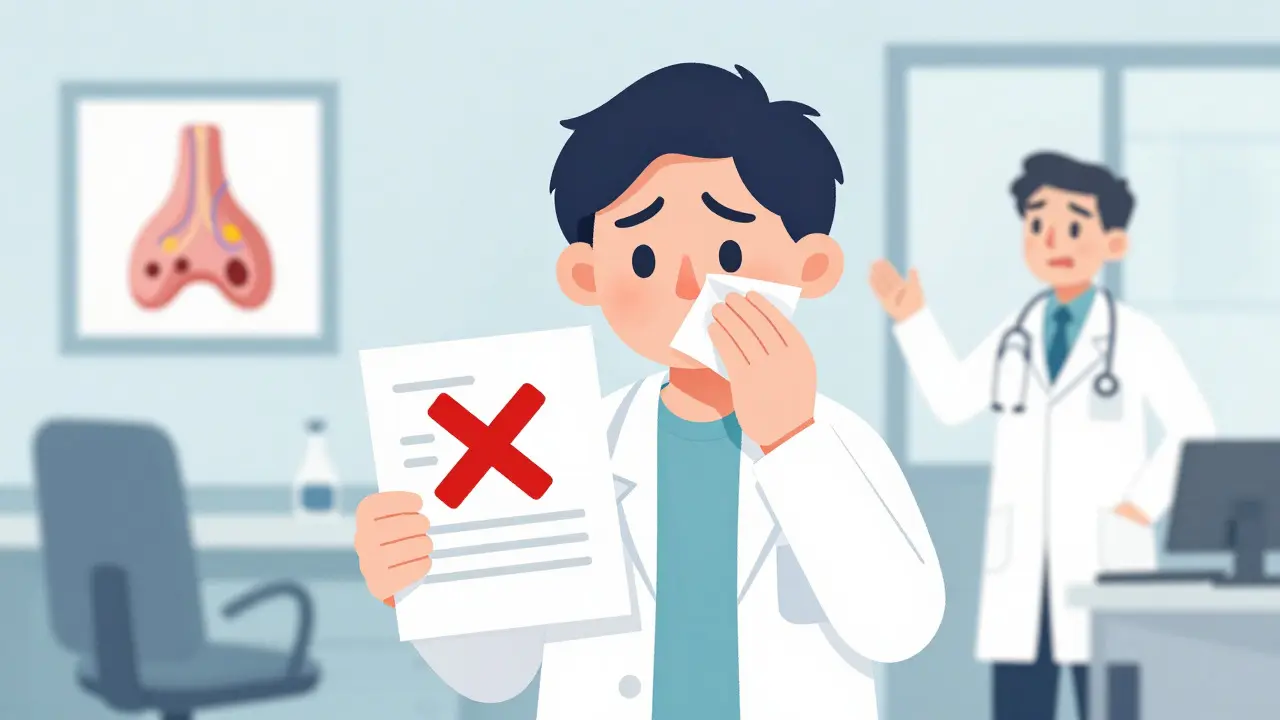
Do you have a runny or stuffy nose but your allergy tests keep coming back negative? You are not alone. In fact, you might be dealing with nonallergic rhinitis, a condition that affects roughly 17-23% of adults in Western countries yet is frequently misunderstood. Unlike allergic rhinitis, which involves an immune response to pollen or pet dander, this condition stems from irritated nasal nerves and blood vessels reacting to environmental changes. It accounts for about 80% of all chronic rhinitis cases, making it the most common form of persistent nasal inflammation despite its name suggesting otherwise.
Understanding Nonallergic Rhinitis vs. Allergic Rhinitis
The confusion between these two conditions is widespread because the symptoms look nearly identical on the surface. Both cause sneezing, nasal congestion, and a runny nose. However, the underlying mechanisms are completely different. Allergic rhinitis is driven by IgE antibodies reacting to specific allergens. Nonallergic rhinitis, historically called vasomotor rhinitis, involves a dysregulation of the autonomic nervous system controlling the nasal mucosa.
According to Dr. Robert Naclerio, a Professor of Otolaryngology at the University of Chicago, "vasomotor rhinitis represents a failure of normal autonomic regulation rather than true inflammation." This explains why standard antihistamines often fail to provide relief. Instead of fighting an immune attack, your body is overreacting to physical stimuli. Research published in the Journal of Allergy and Clinical Immunology shows that patients with this condition have a 3.2-fold higher expression of transient receptor potential (TRP) channels, specifically TRPV1, in their nasal passages. These nerve endings act like hyper-sensitive sensors, firing off signals to produce mucus and swell tissues when they detect minor changes in temperature or humidity.
| Feature | Allergic Rhinitis | Nonallergic Rhinitis |
|---|---|---|
| Cause | IgE-mediated immune response to allergens | Nerve irritation and vascular dysregulation |
| Key Symptoms | Sneezing, itching, clear discharge, watery eyes | Runny nose, congestion, post-nasal drip (less itching) |
| Diagnostic Test | Positive skin prick or serum IgE test | Negative allergy tests; diagnosis by exclusion |
| Effective Treatment | Antihistamines, immunotherapy | Nasal steroids, ipratropium bromide, saline irrigation |
| Prevalence | 10-30% globally | 17-23% in Western adults |
Common Irritant Triggers to Watch For
Since there is no single allergen causing the problem, identifying your personal triggers is crucial. These triggers fall into several distinct categories, each affecting the nasal nerves differently. Understanding what sets off your symptoms can help you avoid them or manage exposure more effectively.
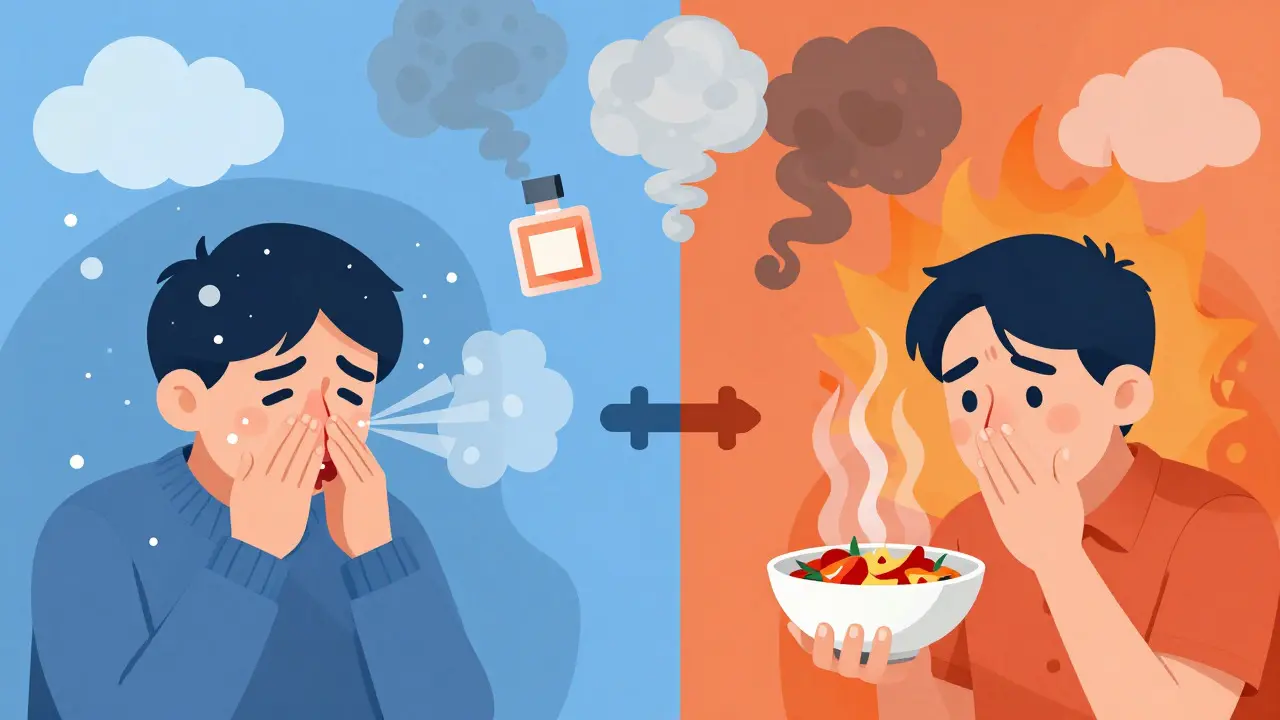
- Environmental Irritants: Tobacco smoke, wildfire smoke, strong perfumes, and paint fumes are major culprits. Studies show that volatile organic compounds (VOCs) from paints can trigger symptoms at concentrations as low as 50 parts per million. Even perfume scents at 0.1 parts per million can cause reactions in sensitive individuals.
- Weather Changes: Sudden shifts in temperature or humidity are classic triggers. A drop below 15°C or a rise above 35°C can activate TRPV1 channels. Similarly, humidity changes greater than 20% relative humidity within a short period can lead to congestion.
- Food and Beverages: Spicy foods containing capsaicin (threshold of 0.5 ppm) often cause immediate runny noses, a condition known as gustatory rhinitis. Alcohol can also trigger symptoms, particularly at blood alcohol concentrations exceeding 0.02%.
- Medications: Certain drugs are notorious for causing rhinitis. ACE inhibitors used for high blood pressure affect about 20% of users, while beta-blockers impact 15%. Nonsteroidal anti-inflammatory drugs (NSAIDs) like ibuprofen can also trigger symptoms in susceptible people.
- Hormonal Fluctuations: Pregnancy affects 20-30% of women, with symptoms typically starting in the second trimester. Thyroid dysfunction and hormonal replacement therapy (HRT) are other common hormonal triggers.
- Occupational Exposures: Workplace environments with flour dust, latex particles, or chemical vapors can worsen symptoms. Occupational rhinitis accounts for 15-20% of work-related respiratory issues, with symptoms often worsening throughout the week.
Diagnosis: Ruling Out Allergies
Getting a correct diagnosis is the first step toward effective management. Because nonallergic rhinitis is diagnosed by exclusion, the process usually involves seeing an allergist or ENT specialist. The primary goal is to rule out allergic causes. This typically involves skin prick testing or serum-specific IgE testing. If these tests come back negative for common aeroallergens, and infectious causes like sinusitis are ruled out via nasal endoscopy, nonallergic rhinitis becomes the likely diagnosis.
Dr. David Stukus from Nationwide Children's Hospital notes that misdiagnosis is a significant issue, with 30-40% of nonallergic cases incorrectly treated as allergic rhinitis. This leads to unnecessary use of antihistamines that do little to help. Nasal cytology can also provide clues; nonallergic rhinitis often shows a predominance of neutrophils (65-75%) rather than eosinophils, which are typical in allergic responses. Keeping a detailed symptom diary for 4-6 weeks, tracking temperature, humidity, and exposures, can also help identify patterns that point to specific irritants.
Effective Management and Treatment Options
Treating nonallergic rhinitis requires a targeted approach since standard allergy medications are less effective. The strategy focuses on reducing nerve sensitivity and managing inflammation directly in the nasal passages.
Nasal Saline Irrigation
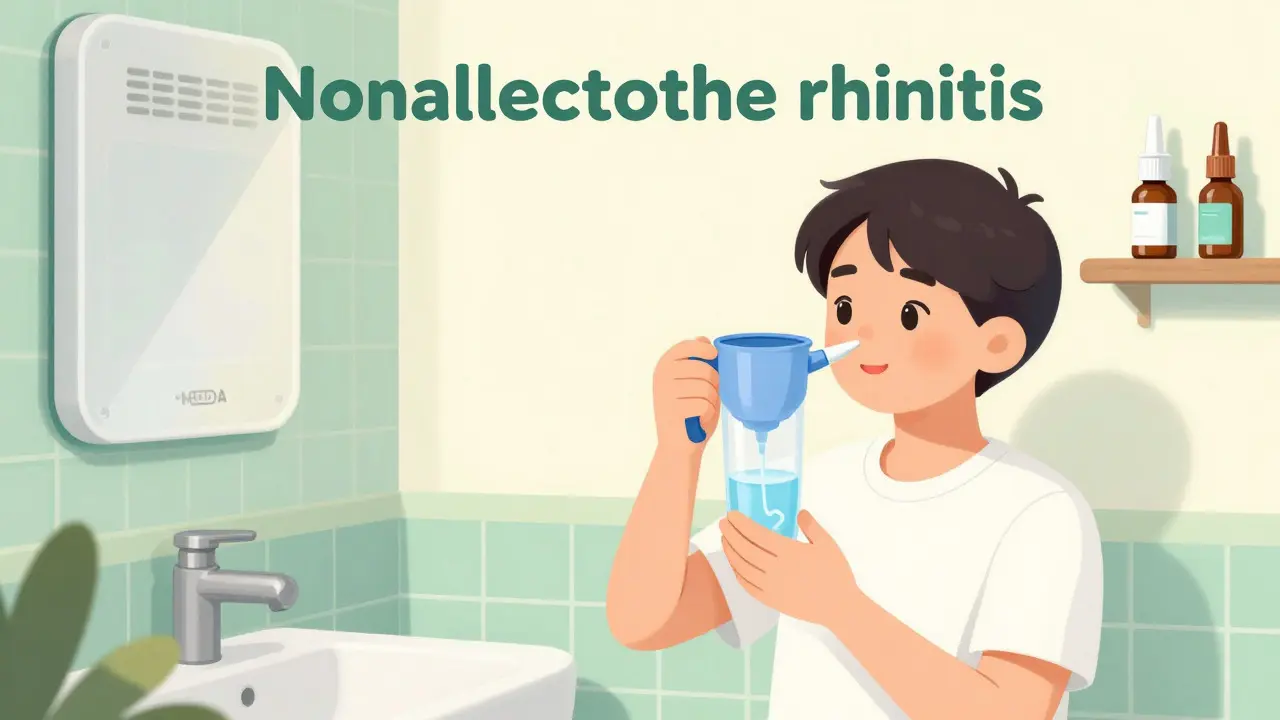
This simple, drug-free method is highly effective for many people. Using isotonic (0.9%) or hypertonic (3%) saline solutions helps flush out irritants and moisturize the nasal lining. Research from the University of Miami Miller School of Medicine indicates that twice-daily irrigation provides 45% greater efficacy than once-daily use. It offers symptom relief to 60-70% of patients and can reduce the need for medication.
Intranasal Corticosteroids
For moderate to severe cases, intranasal corticosteroids like fluticasone propionate are the gold standard. They reduce inflammation and swelling in the nasal passages. While they may take 2-4 weeks to reach peak efficacy, they demonstrate a 50-60% reduction in symptoms. Consistency is key here; sporadic use rarely yields good results.
Ipratropium Bromide Nasal Spray
If your main complaint is a constantly runny nose, ipratropium bromide (0.06% solution) is specifically designed for this. It works by blocking the parasympathetic nerve signals that stimulate mucus production. Clinical data shows it can reduce nasal discharge by 70-80% within 48 hours. Many patients report dramatic improvement within the first day of use.
Azelastine Nasal Spray
Although primarily an antihistamine, azelastine has anti-inflammatory properties that make it useful for nonallergic rhinitis. It provides 30-40% symptom reduction with an onset of action within 1-2 hours. Some users report a bitter taste, but using it consistently can still offer meaningful relief.
Trigger Avoidance and Lifestyle Changes
Avoiding known triggers remains a cornerstone of management. Improving indoor air quality with HEPA filters can reduce symptoms by 35-40%. Strong scent avoidance reduces symptoms by 25-30%. For those with gustatory rhinitis, modifying diet to limit spicy foods can cut symptoms by 40-50%. If you suffer from rhinitis medicamentosa due to decongestant overuse, a structured withdrawal protocol using intranasal steroids during the rebound period resolves symptoms in 85-90% of cases.
Living with Nonallergic Rhinitis
While there is no cure, living well with nonallergic rhinitis is entirely possible with the right combination of treatments. The economic burden can be significant, with annual healthcare costs averaging $1,250-$1,500, so finding a cost-effective regimen is important. Patient support groups and resources like the AAAAI’s patient guides can provide valuable community and practical tips. Remember, patience is essential. Finding the right mix of saline irrigation, prescription sprays, and lifestyle adjustments often takes time, but consistent management can significantly improve your quality of life and reduce productivity loss.
Is nonallergic rhinitis the same as a cold?
No, they are different. A cold is caused by a viral infection and usually lasts 7-10 days. Nonallergic rhinitis is a chronic condition where symptoms persist for at least 3 months without signs of infection or allergic reaction. Colds often include fever and body aches, which are not typical of nonallergic rhinitis.
Can nonallergic rhinitis go away on its own?
It depends on the subtype. Hormonal rhinitis related to pregnancy often resolves within two weeks after delivery. However, vasomotor rhinitis and other chronic forms tend to be long-term conditions that require ongoing management rather than spontaneous resolution.
Why don't antihistamines work for me?
Antihistamines block histamine, which is released during an allergic reaction. Since nonallergic rhinitis is not mediated by histamine or IgE antibodies, oral antihistamines are generally ineffective. Treatments targeting nerve signals (like ipratropium) or direct inflammation (like nasal steroids) are more appropriate.
How quickly does ipratropium bromide work?
Ipratropium bromide acts relatively quickly. Most patients notice a reduction in runny nose within 24 to 48 hours of starting treatment. Maximum effect is typically achieved after about two weeks of consistent use.
Are there any new treatments being developed?
Yes, research is focusing on TRPV1 channel antagonists, which target the specific nerve receptors involved in nonallergic rhinitis. Phase 2 trials have shown promising results with up to 55% symptom reduction in severe cases. Additionally, neurostimulation devices are being explored as future therapeutic options.
Morikeoluwa Ayodeji
July 30, 2026 AT 16:35Finally someone explains why my nose runs like a faucet when I eat spicy food! 🌶️ It's called gustatory rhinitis and it's real. The article mentions capsaicin triggers TRPV1 channels which makes total sense now. I used to think I was just allergic to everything but the tests were always negative. Saline irrigation changed my life honestly. Try it twice a day as suggested. It clears out the irritants and keeps the lining moist. No more stuffy nose at work 😊
Dennis Leeftink
July 30, 2026 AT 20:17You guys are idiots if you think this is new info. Everyone knows antihistamines don't work for non-allergic rhinitis. It's basic biology. The nerves are just broken. Stop wasting money on Zyrtec if your skin prick test is negative. Just buy ipratropium bromide and move on. Simple.
Ambria St louis
July 30, 2026 AT 21:22This is incredibly helpful information; truly. I have suffered from what I thought was seasonal allergies for years, yet my symptoms persist even in winter. The distinction between IgE-mediated responses and autonomic nervous system dysregulation is crucial to understand. Many patients are misdiagnosed, leading to frustration and ineffective treatment regimens. Keeping a symptom diary, as Dr. Stukus suggests, seems like a logical step to identify personal triggers. It empowers individuals to take control of their health rather than passively accepting suffering. Thank you for sharing this detailed breakdown!
Traci Bobbitt
August 1, 2026 AT 15:24I've been using Flonase for years and it does nothing for me. Turns out I have vasomotor rhinitis not allergies. The part about ACE inhibitors causing this is wild. My doctor put me on Lisinopril for blood pressure and suddenly my nose was blocked all the time. Switched meds and boom better breathing. Doctors really need to read these articles instead of just prescribing the same old pills.
Mathew Stuckey
August 2, 2026 AT 12:39So true! 💧 The saline rinse tip is gold. I use a neti pot every morning and evening. It feels weird at first but once you get the hang of it you won't stop. Helps with the post-nasal drip too. Hope everyone finds relief soon! ✨
Michelle Alavaski
August 4, 2026 AT 08:26One must consider that the pharmaceutical industry profits immensely from chronic conditions such as nonallergic rhinitis. The emphasis on prescription sprays like ipratropium bromide and intranasal corticosteroids serves corporate interests rather than patient well-being. Natural remedies are often dismissed by mainstream medicine despite anecdotal evidence supporting their efficacy. The concept of 'nerve irritation' is vague and lacks rigorous scientific validation compared to established allergic pathways. Skepticism is warranted regarding the push for long-term medication use without addressing root environmental causes.
John Divers
August 5, 2026 AT 06:44The philosophical implication here is interesting. We treat the body as a machine to be fixed rather than an ecosystem to be balanced. If our nasal passages are reacting to environmental stimuli, perhaps we should adapt our environment more than our physiology. However, practical management is necessary for quality of life. The data on TRPV1 channels provides a concrete biological basis for these subjective experiences.
Veronica Agbanyim
August 5, 2026 AT 10:56It is morally irresponsible for healthcare providers to ignore the economic burden mentioned in the text. Spending $1,500 a year on treatments that might not work is unjust. Patients deserve transparent information about cost-effective options like saline irrigation before being prescribed expensive steroids. We need systemic change in how we diagnose and treat chronic nasal issues. Empathy for those suffering silently is required.
Sansaray Jones
August 6, 2026 AT 04:11i just use a humidifier during winter and avoid strong perfumes. works for me no fancy sprays needed
Lilith Stepanyan
August 6, 2026 AT 16:22The article claims that occupational exposures account for 15-20% of work-related respiratory issues. This statistic is likely underestimated given the rise in remote work and home office environments where people are exposed to cleaning chemicals and poor ventilation. The focus on workplace ignores the domestic sphere where many women spend significant time. Furthermore, the suggestion that perfume scents at 0.1 ppm cause reactions seems exaggerated without citing specific studies. More scrutiny is needed on these numbers.
jackie healey
August 6, 2026 AT 23:54As an ENT nurse, I see this daily! So many patients come in frustrated because their allergy shots aren't working. The key is ruling out allergies first via skin prick testing. If negative, look at vasomotor triggers. Ipratropium is amazing for runny noses specifically. Steroids help congestion. Saline is safe for everyone. Don't give up on finding the right combo! 🙌
Anna Salamon
August 8, 2026 AT 01:36In many cultures, herbal teas and steam inhalation are traditional remedies for nasal congestion. While science focuses on TRPV1 channels, holistic approaches often combine multiple strategies. Supporting each other through shared experiences helps reduce the stigma of chronic invisible illnesses. Let us share tips on managing symptoms naturally alongside medical advice.
Fenton Quinn
August 8, 2026 AT 12:30Interesting point about the bitter taste of azelastine. Have you tried mixing it with saline? Some find it reduces the taste. Also, consistency is key with steroids. Give it four weeks before judging effectiveness.