
Nocebo Effect and Statin Side Effects: Perception vs Reality
 Apr, 8 2026
Statin Symptom Analyzer: Nocebo vs. Reality
Disclaimer: This tool is for educational purposes based on the SAMSON trial and does not provide a medical diagnosis. Always consult your physician before changing or stopping medication.
Which of the following describes your experience?
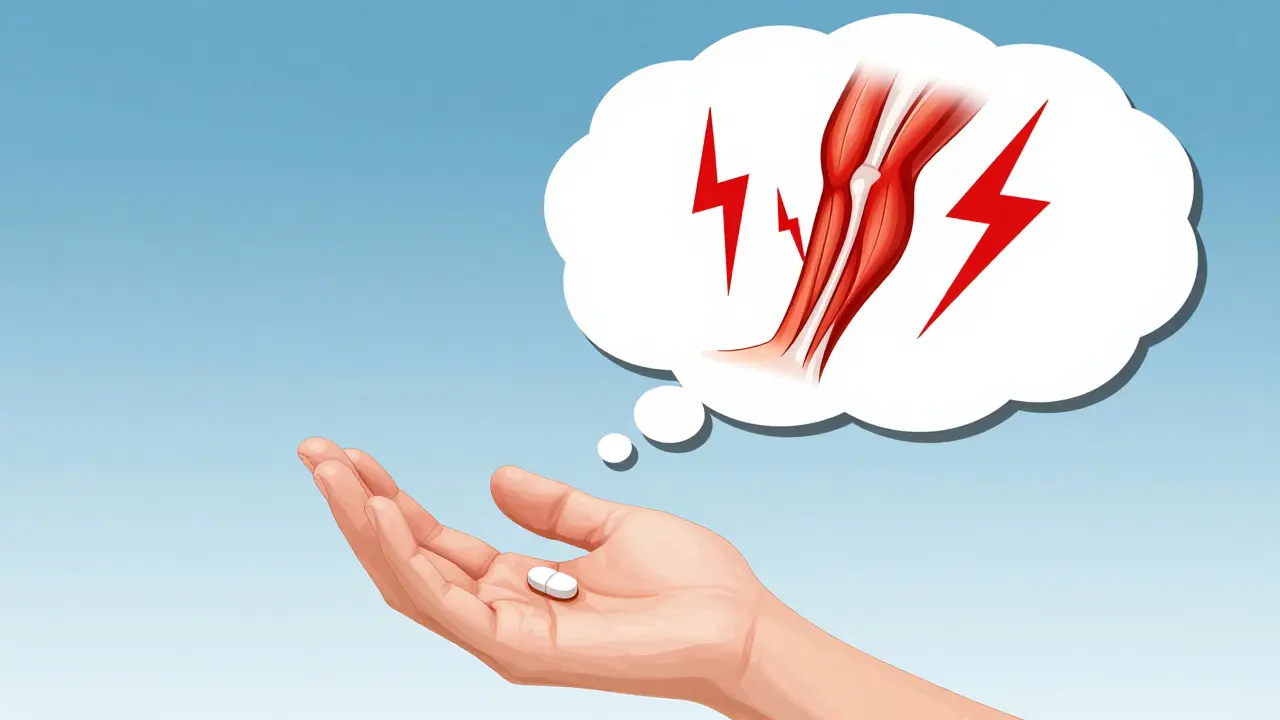
For years, we've viewed statin intolerance as a straightforward pharmacological reaction. If a patient felt muscle soreness, the assumption was that the drug was the culprit. However, recent evidence suggests that for the vast majority of people, the "side effect" is actually a psychological response to the fear of side effects. This isn't "all in your head" in the sense that the pain isn't real-the pain is very real-but the source isn't the medication's active ingredients.
The SAMSON Trial: Proving the Power of Expectation
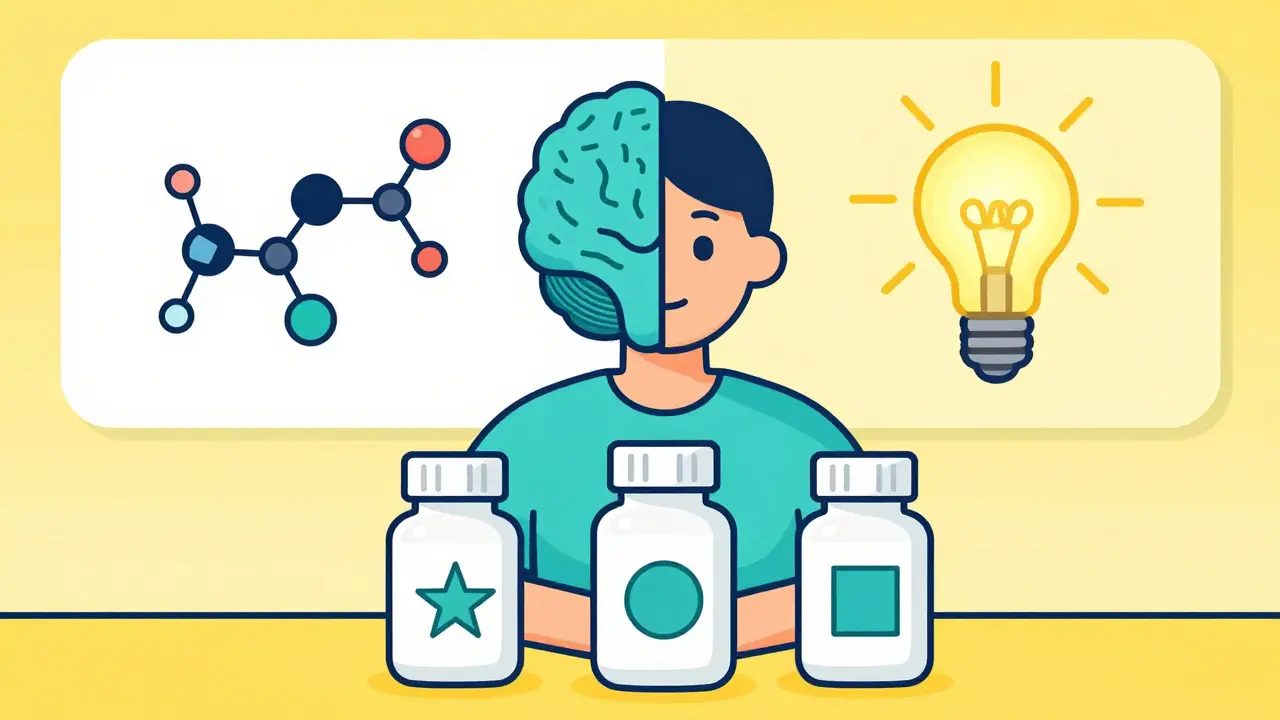
To get to the bottom of this, researchers launched the SAMSON trial is a rigorous 12-month crossover study that investigated the nocebo effect in patients who had previously abandoned statin therapy due to severe side effects. This wasn't your average clinical trial; it used an "n-of-1" design, meaning each patient served as their own control group. Participants were given 12 different one-month bottles in a random order: some contained Atorvastatin, some were placebos, and some were completely empty.
The results were a wake-up call for the medical community. Researchers found that 90% of the symptoms patients attributed to the statins were also present when they were taking the placebo. In fact, when patients were in the "no-tablet" months, their symptom scores were significantly lower than both the placebo and the active drug months. The timing of the symptoms was also identical-pain started within days of taking a pill, regardless of whether that pill was a powerful lipid-lowerer or a sugar pill.
| Condition | Average Symptom Score (0-100) | Finding |
|---|---|---|
| No-Tablet Month | 8.0 | Baseline pain level |
| Placebo Month | 15.4 | Significant increase due to expectation |
| Statin Month | 16.3 | Nearly identical to placebo |
Perception vs. Reality: Why Do We Feel This?
Why are Statins so prone to this? Unlike some medications that have a very distinct, rare, and objective side effect profile, statin-associated muscle symptoms (SAMS) are often subjective. If you read a pamphlet that says "muscle pain is a common side effect," your brain begins scanning your body for that specific sensation. When you notice a slight twitch or a bit of soreness after a workout, your brain labels it as a side effect of the drug.
This creates a dangerous feedback loop. The Mayo Clinic notes that a strong predictor of whether you'll experience muscle aches is simply whether you've read about them. This is a classic nocebo response. While true pharmacological side effects exist, they are actually quite rare. For example, Rhabdomyolysis-the severe breakdown of muscle tissue-is an objective medical emergency but occurs in fewer than one person per million person-years of use.
The Real-World Cost of Misunderstanding
This isn't just an academic curiosity; it's a public health crisis. Between 40% and 70% of people stop taking their statins within the first year. When people quit their medication based on a nocebo response, they lose a massive amount of cardiovascular protection. In the U.S. alone, this non-adherence is estimated to cost the healthcare system over $11 billion annually due to preventable heart attacks and strokes.
The tragedy is that many of these patients believe they are "statin intolerant" for life. They might spend years trying different brands or dosages, only to experience the same symptoms because the expectation follows them from one pill to the next. This is why the SAMSON trial was so pivotal-it showed that once patients saw their own data proving the placebo effect, about 50% of them were happy to restart their treatment.
How to Tell the Difference: Real Side Effects vs. Nocebo
It is vital to distinguish between a psychological response and a genuine adverse reaction. While the nocebo effect is common, some people do have a biochemical intolerance. Here is how to differentiate the two:
- Subjective Symptoms (Likely Nocebo): General muscle aching, fatigue, or "stiffness" that fluctuates or seems to appear right after you read about side effects. These often resolve quickly upon stopping the drug and return instantly upon restarting, regardless of the brand.
- Objective Symptoms (Real Pharmacological Issue): Significant increases in Creatine Kinase (CK) levels in the blood (often 10x the normal limit), severe muscle weakness, or dark-colored urine. These are biological markers that don't care about your expectations.
If you suspect you have a real reaction, a blood test is the only way to know for sure. If your CK levels are normal but your muscles hurt, there is a high probability you are experiencing the nocebo effect.
Practical Steps for Patients and Doctors
So, what can be done? If you've stopped taking your medication because of muscle pain, don't assume you're just "unlucky." There are structured ways to get back on track.
- Request a "Nocebo Education" Conversation: Talk to your doctor about the SAMSON trial. Understanding that 90% of reported symptoms can be placebo-driven often lowers the anxiety that fuels the nocebo effect.
- Try a Structured Reintroduction: Instead of jumping back into a high dose, some doctors suggest starting with a very low dose (like 5mg of Rosuvastatin) while using a symptom diary.
- Use Visual Tracking: Keep a daily log of your symptoms on a scale of 0-100. When you see that your pain doesn't actually spike proportionally to the dose, the psychological grip of the nocebo effect weakens.
- Focus on the Benefit: Shift your internal narrative from "this drug might hurt my muscles" to "this drug is preventing a heart attack." Changing the expectation can actually change the physical experience.
The Future of Lipid Management
We are moving toward a more personalized approach to heart health. New research, such as the SAMSON-2 trial, is exploring whether digital cognitive behavioral therapy (CBT) can help patients "unlearn" the nocebo response. Meanwhile, tech giants like Apple and Google are looking into integrated monitoring tools to help patients track symptoms in real-time, providing the kind of objective data that can break the cycle of perceived intolerance.
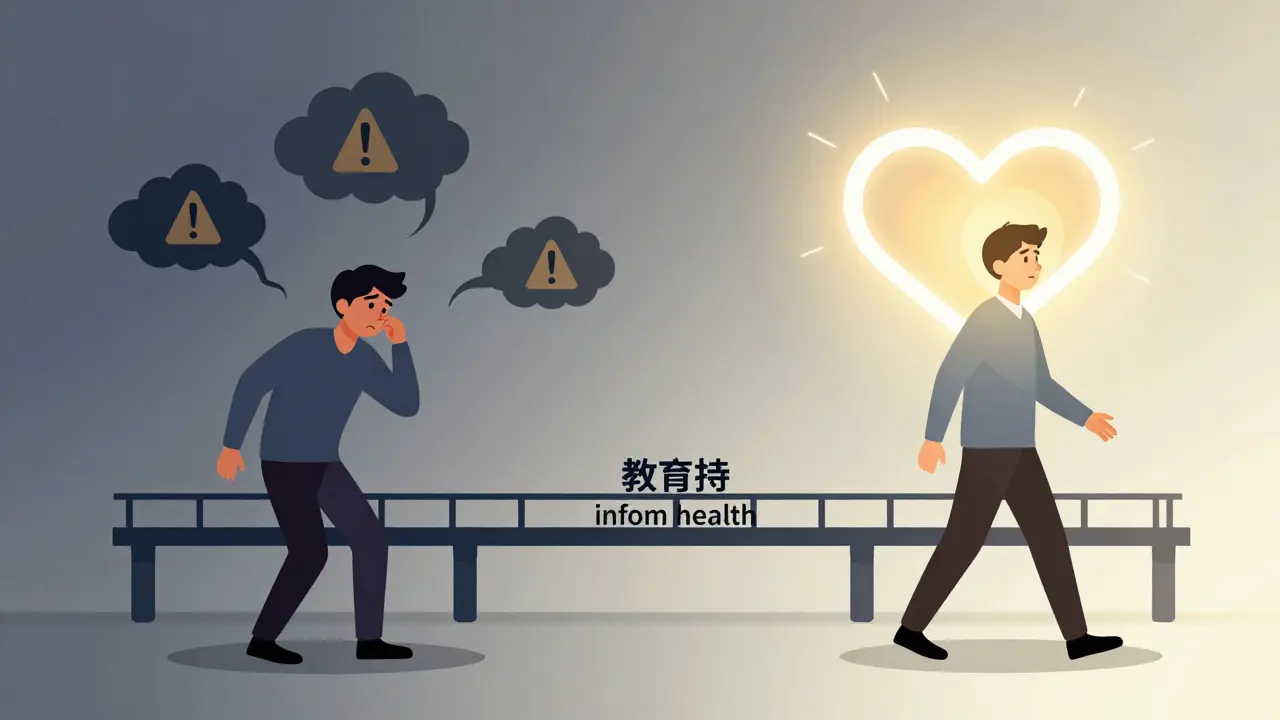
The goal isn't to dismiss patient concerns. Your pain is real, and it deserves attention. The goal is to ensure that a trick of the mind doesn't prevent you from receiving the life-saving benefits of modern medicine. By separating perception from reality, we can move from a state of fear to a state of informed health.
Are all statin side effects just psychological?
No. While the SAMSON trial showed a massive nocebo component, real pharmacological side effects do exist. Objective myopathy and rhabdomyolysis are genuine biological reactions, though they are extremely rare, affecting only a tiny fraction of users.
If I feel pain immediately after taking a statin, does that prove the drug is the cause?
Actually, no. The SAMSON trial found that the timing of symptom onset was identical for both the active statin and the placebo. This means that the speed at which you feel a symptom isn't a reliable indicator of whether the drug is causing it.
Can I restart statins if I've already had a bad experience?
Yes, many people do. About 50% of patients in the SAMSON study successfully restarted therapy after understanding the nocebo effect. It is best to do this under a doctor's supervision, perhaps starting with a lower dose or a different formulation.
How do I know for sure if my muscle pain is real or a nocebo effect?
The most reliable way is through blood tests that measure Creatine Kinase (CK) levels. If your CK levels are within the normal range, your muscle pain is likely subjective (nocebo). If CK levels are significantly elevated, it indicates actual muscle damage.
Will changing to a different brand of statin help?
If you are experiencing a nocebo effect, changing brands often doesn't help because the expectation of side effects follows you. However, if you have a genuine biochemical intolerance to one specific molecule, a different statin might be better tolerated.
Robin Walton
April 9, 2026 AT 10:55This is actually really helpful for anyone feeling anxious about their meds. It's a good reminder that our minds are powerful and that talking to our doctors is the best way to handle these things. ❤️
Ben hogan
April 11, 2026 AT 06:42Typical reductionist approach to complex biology. Reducing a patient's lived experience to a 'trick of the mind' is just the peak of medical arrogance. It's fascinating how the elite scientific community loves to dismiss subjective reporting as mere noise when it doesn't fit their neat little spreadsheets. I've seen a dozen papers with far more nuanced data that this summary conveniently ignores for the sake of a snappy narrative. Honestly, the sheer pretension of suggesting a simple blood test can invalidate a person's daily struggle with chronic pain is laughable. If you actually understood the interplay between the gut-brain axis and pharmacological interaction, you'd realize this 'nocebo' explanation is just a lazy shortcut for physicians who don't want to spend more than ten minutes with a patient. It's a joke. Absolute garbage logic. I can't believe people actually swallow this without questioning the funding of such trials. The arrogance is simply breathtaking. Just a typical example of the industry gaslighting the consumer into compliance. Please, spare me the simplified infographics next time.
danny Gaming
April 12, 2026 AT 14:14fake news lol doctors just want us on pills forever so they can make money from big pharma US medicine is a joke
Doug DeMarco
April 12, 2026 AT 23:19I totally get where some people are coming from! It's all about finding the right balance and working with your team. Keep your heads up and stay curious about your health! 😊✨
Danny Wilks
April 12, 2026 AT 23:37While it is certainly intriguing to consider how our expectations shape our physical reality, I find myself wondering if the long-term psychological impact of being told your pain is essentially a phantom effect might inadvertently create a different kind of stress for the patient, which in itself could manifest as further somatic symptoms in a rather complex cycle of biological and mental feedback loops.
Simon Stockdale
April 13, 2026 AT 21:16Man I bet these studies are just funded by some corporate suit in a skyscraper trying to trick us all into taking their chemicals while the real American way is just eating steak and lifting weights and not letting some fancy trial tell you how your muscles feel when you know they hurt damn it!!
emmanuel okafor
April 14, 2026 AT 05:34the mind and body are one thing we must find peace with the medicine and the spirit
kalpana Nepal
April 15, 2026 AT 12:48The truth is that we must trust the wisdom of our own land and tradition over these Western tests that try to tell us our feelings are not real
Julie Bella
April 15, 2026 AT 15:39Omg I tried this and it totally worked for me!! But some of you guys are just lazy and don't want to do the work to be healthy 🙄 just take the pill and stop complaining!!
Rakesh Tiwari
April 15, 2026 AT 20:16Oh sure, because the medical industry is just so famous for its honesty and transparency. I'm sure the 'nocebo' excuse is a totally convenient way to keep the quotas up.
Kelly DeVries
April 16, 2026 AT 21:39honestly this is just a mess because nobody ever listens to the actual signs and just blames it on the brain lol so cute
Suchita Jain
April 17, 2026 AT 20:36It is imperative that you consult a licensed professional before disregarding your symptoms based on a generalized study as your unique physiology requires a tailored approach.
Ryan Hogg
April 18, 2026 AT 16:00I tried to tell my doctor I felt this and he just brushed me off. It's so draining to feel like you're losing your mind while your body is actually hurting.
Lynn Bowen
April 19, 2026 AT 23:28Interesting perspective on the intersection of psychology and pharmacology.