
Medication Mistakes in Pediatric Emergencies: Case Lessons
 Aug, 21 2026
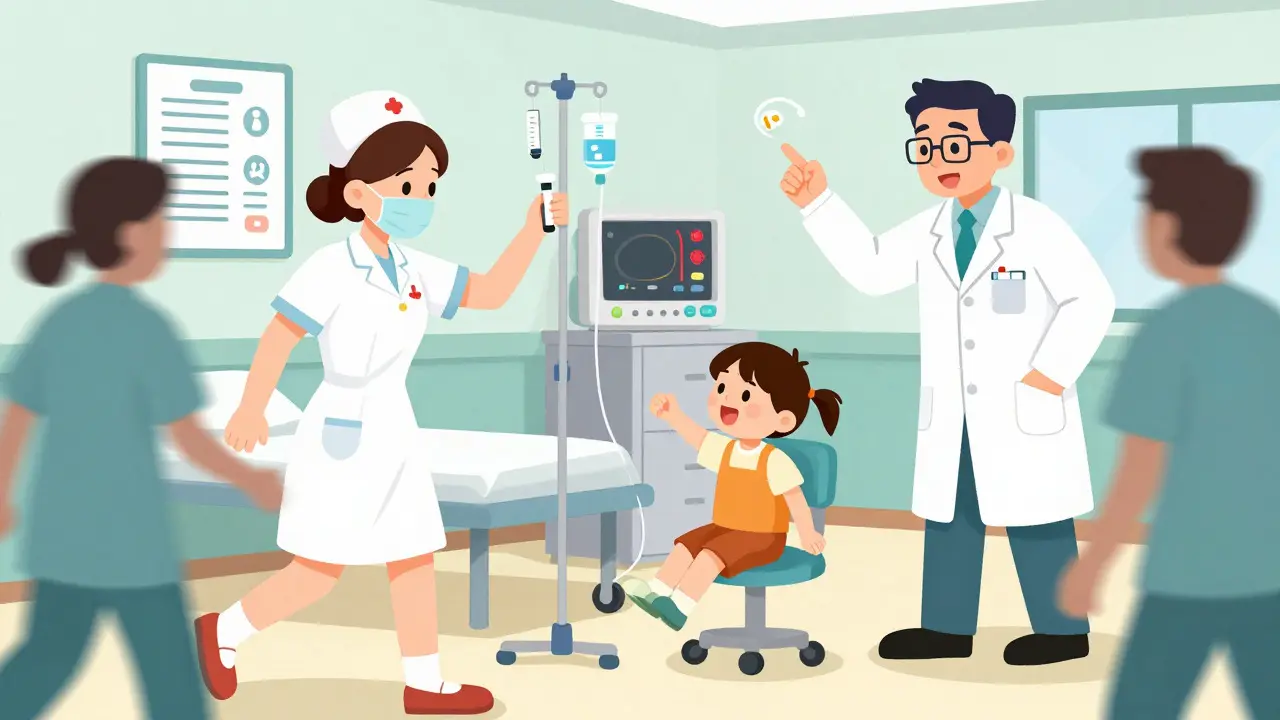
Imagine a chaotic scene in a Pediatric Emergency Department is a high-pressure clinical environment where time-critical decisions are made for children of varying weights and conditions. A nurse rushes to draw up an IV fluid. The doctor calls out a dose based on the child's weight. In the background, a monitor beeps. In this split second, a simple calculation error can turn a life-saving treatment into a toxic event. This isn't just a hypothetical risk; it is a documented reality that happens far more often than we think.
When we talk about Medication Errors is preventable mistakes in prescribing, dispensing, or administering drugs that lead to improper use or patient harm, pediatric patients are disproportionately affected. Data from the US Pharmacopeia (USP) shows that children experience these errors at a rate of 31%, compared to just 13% in adults. Why such a huge gap? It comes down to complexity. Adult doses are usually fixed pills. Pediatric doses require math, liquid measurements, and constant adjustments based on body weight. When you add the stress of an emergency, the margin for error shrinks dangerously.
The Anatomy of a Pediatric Dosing Error
To understand how these mistakes happen, we have to look at the specific mechanics of Weight-Based Dosing is a method of calculating drug dosage based on a patient's body weight, typically expressed in milligrams per kilogram (mg/kg). For a 10kg toddler, the difference between a safe dose and an overdose can be measured in milliliters. Yet, studies show that calculation errors account for 20-35% of all pediatric medication mistakes. Another major culprit is inaccurate weight measurement, which appears in 10-31% of error cases. If the starting number is wrong, every subsequent calculation is wrong.
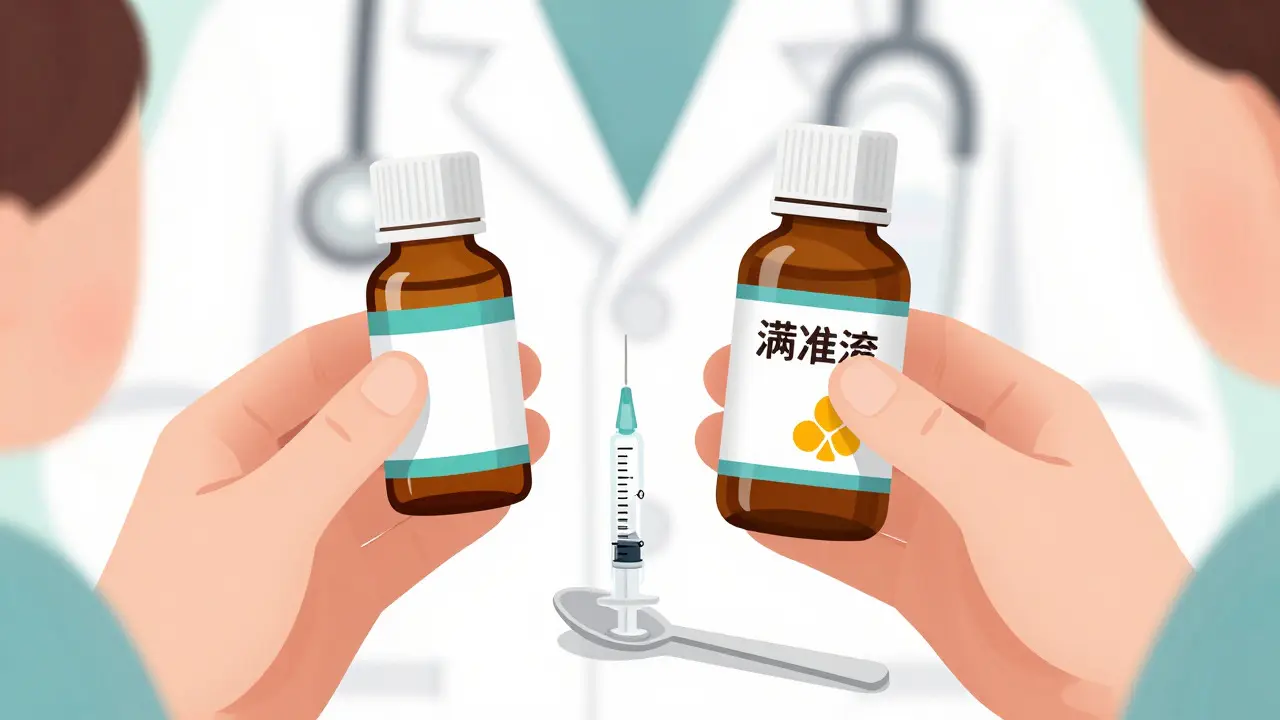
Liquid medications make things even trickier. Unlike solid tablets, liquids come in different concentrations. A parent or a hurried clinician might grab the wrong bottle without checking the label. Research indicates that liquid formulations account for 60-80% of outpatient dosing errors. In the emergency setting, this confusion is amplified by verbal orders. A doctor says "give 5 mL," but doesn't specify if it's the infant concentrate or the standard pediatric formula. That small omission can result in a 10-fold overdose, as seen in documented cases where acetaminophen was misadministered due to concentration mix-ups.
Case Study: The 10-Fold Overdose
Let’s look at a real-world scenario that highlights these risks. A mother brings her 10kg child to the ER with a fever. The physician prescribes oral acetaminophen. The instruction is clear in intent but ambiguous in execution if not double-checked. The family, stressed and tired, picks up the medication. They administer 5mL of the liquid. However, they used the infant concentrate instead of the regular pediatric suspension. Because the concentrate is much stronger, the child effectively received ten times the intended dose. This isn't just a parenting failure; it's a system failure. The packaging, the labeling, and the discharge instructions all played a role in creating this vulnerability.
This case illustrates a broader trend. Between 2009 and 2022, the Child Health Patient Safety Organization reported that medication errors accounted for 21% of all safety events in children's hospitals. Of those, 13% were caused by the wrong dose. While many of these errors are caught before they reach the patient-known as near misses-about 13% result in actual harm. The rest are unsafe conditions that slip through the cracks. These numbers tell us that while we are getting better at catching errors, the root causes remain stubbornly persistent.
Why Pediatrics Is Different from Adult Care
You might wonder why adult emergency departments don't face the same level of risk. The answer lies in standardization. Adult medicine benefits from fixed-dose regimens. A 70kg man and a 90kg man often receive the same antibiotic dose. In pediatrics, every patient is unique. A 5kg newborn and a 40kg teenager need completely different protocols. This variability requires constant mental arithmetic under pressure. Dr. Shaw, who analyzed medication events across a pediatric emergency research network, noted that "emergency settings present unique vulnerabilities due to time pressure, frequent verbal orders, and complex weight-based calculations." It’s a perfect storm for human error.
Furthermore, the physical size of pediatric patients makes administration physically difficult. Drawing up tiny volumes in syringes is hard to see accurately. Marking the plunger on a 1mL syringe is easier than on a 10mL one, but both require precision. Add to this the fact that multiple caregivers-doctors, nurses, pharmacists, and parents-are involved in the process, and communication breakdowns become likely. Each hand-off is a potential point of failure. If the information isn't verified at each step, the error propagates.
Systemic Failures vs. Human Error
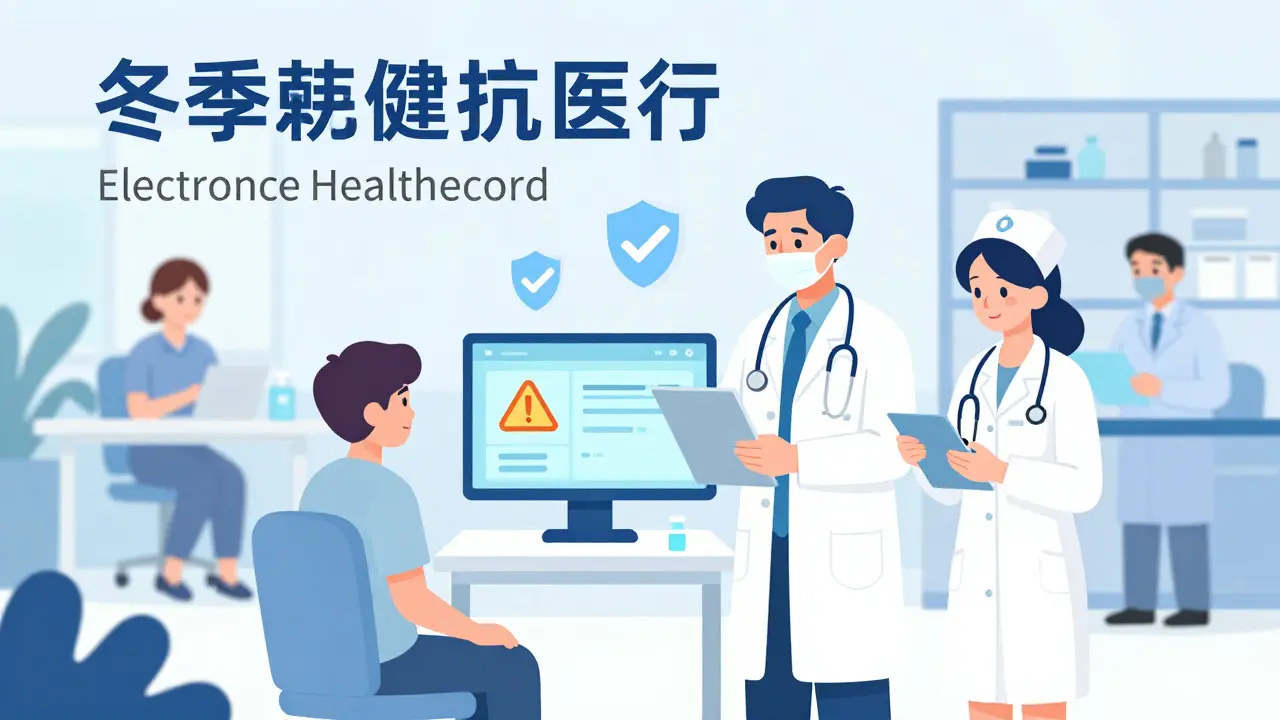
It is tempting to blame the individual nurse or doctor. But modern patient safety science tells us that most errors are systemic, not personal. Blaming the individual ignores the environment. Are the labels on the bottles clear? Is the electronic health record (EHR) configured to flag dangerous doses? Is there a culture that encourages reporting near-misses without fear of punishment? At Nationwide Children's Hospital, leadership realized that working with frontline staff to understand what makes their work "difficult, dangerous, or different" was key. They stopped looking for scapegoats and started fixing the workflow.
This shift in mindset led to significant improvements. By implementing standardized weight-based dosing protocols and double-check systems for high-alert medications, they achieved an 85% reduction in harmful medication events. The lesson here is clear: fix the system, and the humans will perform better. Relying solely on vigilance is unsustainable. You need guardrails. These guardrails include automated alerts in the EHR, standardized order sets, and dedicated pharmacy verification for all pediatric ED orders.
Practical Strategies for Reducing Errors
So, what does effective error reduction look like in practice? One proven approach is the MEDS intervention, described in JAMA Network Open. This program focused on simplifying discharge instructions using pictograms and a "teach-back" method. Instead of just telling parents what to do, clinicians asked them to repeat the instructions back. This took only 90 seconds extra per patient but reduced dosing errors significantly. The adjusted odds ratio dropped to 0.52, meaning the likelihood of an error was cut by nearly half.
In the hospital setting, technology plays a crucial role. By 2023, 68% of children's hospitals had implemented pediatric-specific dosing calculators in their EMRs. These tools remove the manual math from the equation. They take the weight, look up the drug, and calculate the exact volume needed. This eliminates the cognitive load on the clinician. However, not all facilities have access to these advanced systems. Community emergency departments often lack specialized pediatric software, creating a safety disparity. This highlights the need for equitable resource distribution in healthcare.
| Factor | Pediatric Rate/Impact | Adult Rate/Impact | Key Intervention |
|---|---|---|---|
| Overall Error Incidence | 31% | 13% | Standardized Protocols |
| Dosing Calculation Errors | 20-35% | <10% | EMR Calculators |
| Liquid Medication Errors | 60-80% of outpatient errors | 10-20% of outpatient errors | Concentration Labeling |
| Harmful Events | 13% of errors cause harm | Lower percentage | Double-Check Systems |
The Role of Parents and Caregivers
We often forget that the emergency department isn't the end of the line. The medication journey continues at home. And unfortunately, errors follow the patient out the door. Studies show that 40% of children with chronic conditions experience ambulatory medication errors. Parents with limited health literacy are 2.3 times more likely to make a mistake. Language barriers also play a huge role, with non-English speaking families showing higher error rates. This means that effective communication isn't just a courtesy; it's a safety requirement.
Using standardized measuring devices, like oral syringes rather than household spoons, reduces errors by 35-45%. Yet, many families still rely on kitchenware because it's convenient. Education campaigns need to focus on the "why" behind the tools. Explain that a teaspoon varies in size, but a 5mL syringe is precise. Combine this with visual aids and teach-back methods, and you create a robust safety net for the home environment.
Future Directions and Technological Solutions
Where do we go from here? The future of pediatric medication safety lies in integration and automation. We are seeing increased adoption of AI-driven decision support systems that can predict potential interactions before the order is placed. Barcode scanning at the bedside ensures the right drug goes to the right patient at the right time. These technologies are becoming more affordable and accessible, even for smaller hospitals.
However, technology alone isn't enough. We need a cultural shift. We must move from a punitive culture to a learning culture. When an error happens, the first question shouldn't be "Who did this?" but "What allowed this to happen?" This approach, championed by organizations like the American Academy of Pediatrics, fosters transparency. It encourages staff to report near-misses, providing data that helps refine protocols. As we continue to develop these systems, the goal remains simple: ensure that no child suffers harm due to a preventable mistake.
Why are pediatric medication errors more common than adult errors?
Pediatric errors are more common because dosing is weight-based rather than fixed, requiring complex calculations. Additionally, liquid medications vary in concentration, and the physical size of children makes accurate administration more difficult. Time pressure in emergencies exacerbates these challenges.
What is the most effective way to prevent dosing errors at home?
The most effective method is using standardized measuring devices, such as oral syringes, instead of household spoons. Combining this with clear, written instructions and a "teach-back" session with the healthcare provider significantly reduces the risk of mistakes.
How do electronic medical records help reduce errors?
Electronic medical records (EMRs) with pediatric-specific modules automatically calculate doses based on the patient's entered weight. They also flag potential interactions and limit maximum doses, removing the need for manual arithmetic and reducing calculation errors.
What is a "near miss" in medication safety?
A near miss is a medication error that is intercepted before it reaches the patient or before it causes harm. For example, if a nurse catches a wrong dose during a double-check before administering it, it is a near miss. Tracking these events is crucial for identifying systemic weaknesses.
Do language barriers affect medication safety?
Yes, language barriers significantly increase the risk of medication errors. Families with limited English proficiency often have higher error rates due to misunderstandings of dosage instructions. Using translated materials and professional interpreters helps bridge this gap.