
Linezolid and Serotonin Syndrome: What You Need to Know About the Risk
 Jul, 3 2026
Linezolid & Serotonin Risk Assessor
Current Medications
Select any serotonergic agents currently being taken.
Physical Factors
Check if you are experiencing these symptoms within 24-72 hours of starting Linezolid.
Risk Assessment
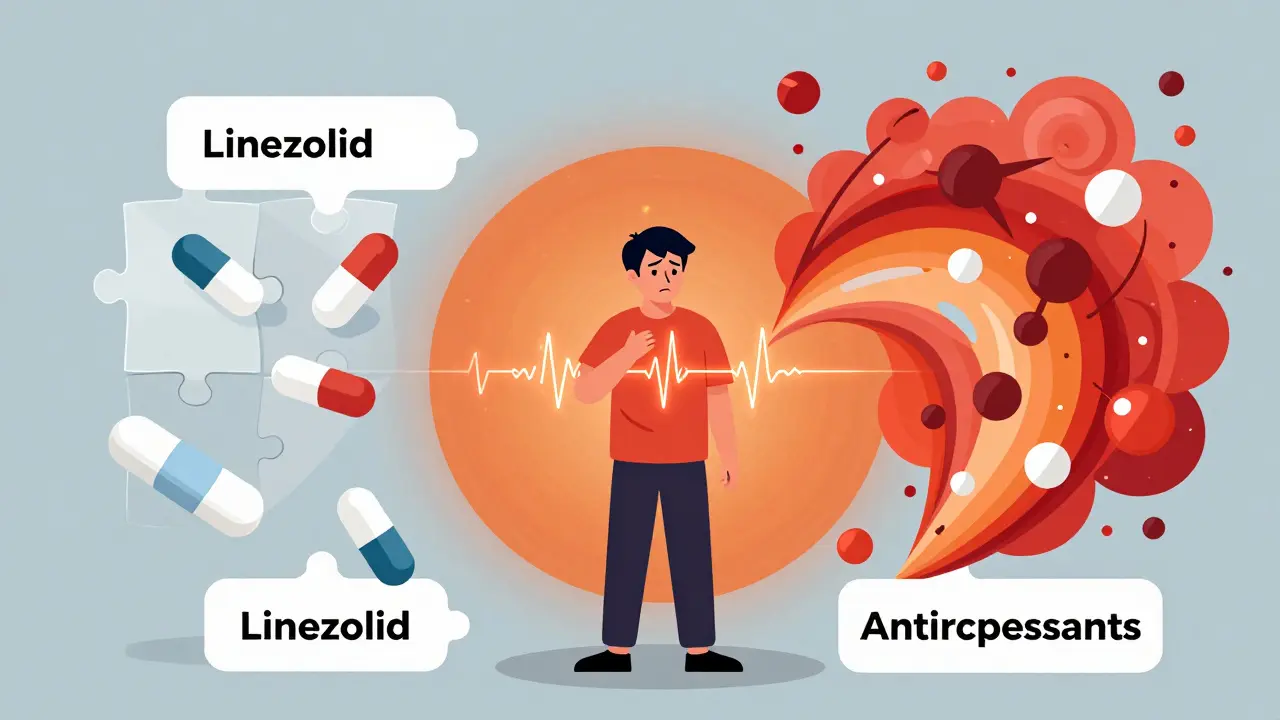
Imagine you’re fighting a stubborn bacterial infection. Your doctor prescribes Linezolid, an antibiotic known for tackling tough bacteria like MRSA. At the same time, you’ve been taking your daily dose of an antidepressant for years without any issues. Suddenly, within a few days, you feel agitated, confused, and your heart starts racing. Is this just stress from being sick? Or is it something more dangerous?
This scenario highlights a complex medical puzzle: the potential interaction between linezolid and serotonergic medications. For decades, doctors have been warned about the risk of serotonin syndrome, a potentially life-threatening condition caused by too much serotonin in the brain. But recent research suggests the story isn’t as black and white as we once thought. Let’s break down what’s really happening, who is at risk, and how modern medicine is handling this delicate balance.
Why Does Linezolid Interact with Antidepressants?
To understand the risk, we first need to look at how linezolid works. It’s not your average antibiotic. While most antibiotics attack bacteria by breaking their cell walls or stopping them from multiplying, linezolid takes a different approach. It binds to the 50S ribosomal subunit of bacteria, effectively shutting down their ability to make proteins. Without proteins, bacteria can’t survive.
However, linezolid has a second job that affects human biology. It acts as a weak, reversible inhibitor of monoamine oxidase A (MAO-A). MAO-A is an enzyme responsible for breaking down neurotransmitters like serotonin, norepinephrine, and dopamine in your brain. When MAO-A is inhibited, these chemicals stay in your system longer. Most antidepressants, such as SSRIs (like fluoxetine) and SNRIs (like venlafaxine), work by increasing serotonin levels. If you add linezolid into the mix, you’re essentially stacking two mechanisms that boost serotonin, which can lead to an overload.
The Reality Check: How Common Is This Risk?
For years, the fear of serotonin syndrome kept many clinicians away from prescribing linezolid to patients on antidepressants. The FDA issued a safety communication in 2011 warning about serious central nervous system reactions when these drugs were combined. Case reports flooded medical journals, painting a picture of high danger.
But large-scale data tells a different story. A major study published in JAMA Network Open in 2023 looked at over 1,100 patients prescribed oral linezolid. Of those, nearly 20% were taking antidepressants. Surprisingly, the rate of serotonin syndrome was extremely low-less than 0.5%. In fact, the study found no significant increase in risk for patients taking antidepressants compared to those who weren’t. Another retrospective study in Clinical Infectious Diseases in 2024 supported these findings, showing an adjusted odds ratio of 0.87, suggesting the combination might actually be safer than previously feared.
So why does the warning still exist? Because while the *overall* risk is low, individual cases can be severe. Serotonin syndrome is rare but serious. It’s better to be cautious than to miss a red flag.
Recognizing the Signs of Serotonin Syndrome
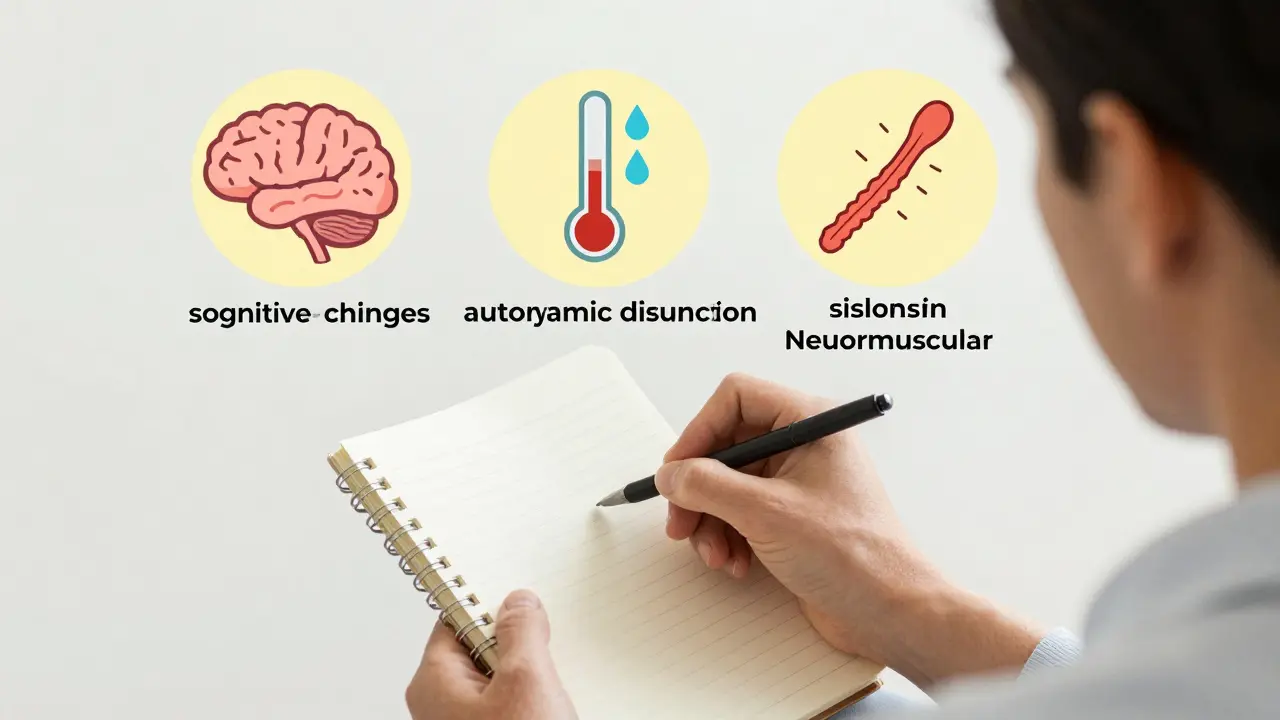
If you are taking linezolid along with any medication that affects serotonin, you need to know what to look for. Symptoms usually appear quickly, often within 24 to 72 hours of starting the antibiotic. The classic triad includes:
- Cognitive changes: Agitation, confusion, anxiety, or restlessness.
- Autonomic dysfunction: Heavy sweating (diaphoresis), rapid heart rate (tachycardia), high blood pressure, dilated pupils, or fever.
- Neuromuscular abnormalities: Tremors, muscle rigidity, twitching (myoclonus), or hyperreflexia (overactive reflexes).
In severe cases, this can progress to seizures, irregular heartbeat, or dangerously high body temperature (hyperthermia). If you notice any of these symptoms after starting linezolid, seek medical attention immediately. Do not wait to see if they go away on their own.

Who Is at Higher Risk?
Not everyone faces the same level of danger. Several factors can tip the scales:
| Risk Factor | Why It Matters |
|---|---|
| Type of Antidepressant | Stronger serotonergic agents like MAO inhibitors (phenelzine) or tricyclic antidepressants pose higher risks than mild SSRIs. |
| Polypharmacy | Taking multiple serotonergic drugs (e.g., an SSRI plus ondansetron for nausea) multiplies the effect. |
| Renal Function | Kidney impairment reduces linezolid clearance by up to 50%, leading to higher drug levels in the body. |
| Age | Older adults may be more sensitive to central nervous system effects due to natural changes in brain chemistry and metabolism. |
| Dose and Duration | Higher doses (600 mg twice daily) and longer treatment courses increase exposure to MAO inhibition. |
Navigating Treatment Decisions
Here’s where it gets tricky for both patients and doctors. On one hand, linezolid is a critical weapon against multidrug-resistant infections like VRE and MRSA. These infections can be fatal if left untreated. On the other hand, the theoretical risk of serotonin syndrome looms large in clinical guidelines.
A 2022 survey of infectious disease specialists revealed that 68.3% would avoid using linezolid concurrently with serotonergic medications, despite the lack of strong evidence linking the two. This caution stems from liability concerns and isolated bad outcomes rather than population-level data.
However, current expert consensus is shifting. The Infectious Diseases Society of America (IDSA) now suggests that concurrent use may be considered with appropriate monitoring. The key is vigilance. If you must take both, your healthcare provider should:
- Assess your mental status before starting linezolid.
- Educate you and your caregivers on the symptoms of serotonin syndrome.
- Monitor you closely during the first week of treatment.
- Consider alternative antibiotics if possible, though options for resistant bacteria are limited.
What Happens If Serotonin Syndrome Occurs?
If serotonin syndrome develops, the good news is that it is treatable, especially if caught early. The primary step is immediate discontinuation of the offending agent-in this case, linezolid. Supportive care follows, which may include:
- Benzodiazepines to control agitation and muscle spasms.
- Cyproheptadine, a serotonin antagonist, to block excess serotonin activity.
- Cooling measures if fever is present.
- Intravenous fluids to maintain hydration and blood pressure.
Most mild to moderate cases resolve within 24 hours after stopping the drug. Severe cases require intensive care but still have a high survival rate with prompt intervention.
Practical Tips for Patients
If you’re prescribed linezolid, don’t panic. Instead, take charge of your health with these steps:
- Disclose all medications: Include prescription drugs, over-the-counter meds (like dextromethorphan in cough syrup), and supplements (such as St. John’s wort).
- Ask questions: Talk to your doctor about whether the benefits of linezolid outweigh the risks in your specific case.
- Keep a symptom diary: Note any new feelings of jitteriness, sweating, or confusion during treatment.
- Avoid tyramine-rich foods: While less critical than with older MAO inhibitors, linezolid can interact with aged cheeses and cured meats. Moderation is key.
Can I stop my antidepressant before taking linezolid?
Never stop psychiatric medication without consulting your doctor. Abruptly stopping antidepressants can cause withdrawal symptoms and destabilize your mental health. Your doctor will weigh the risks and may suggest a temporary pause only if absolutely necessary and safe for you.
How long does the risk last after finishing linezolid?
Linezolid has a relatively short half-life, so its MAO-inhibiting effects wear off quickly. However, because some antidepressants stay in your system for weeks, it’s wise to monitor for symptoms for a few days after completing the antibiotic course.
Are there alternatives to linezolid for MRSA?
Yes, depending on the infection site and severity. Alternatives might include vancomycin, daptomycin, or ceftaroline. However, these aren’t always suitable for every patient or type of infection, which is why linezolid remains a vital option.
Does herbal tea or ginseng interact with linezolid?
Yes, certain herbs like St. John’s wort and ginseng have serotonergic properties. Even seemingly harmless supplements can contribute to serotonin overload when combined with linezolid. Always check with your pharmacist before adding any supplement to your regimen.
Is the FDA warning outdated?
The FDA hasn’t updated its 2011 warning, but recent clinical studies suggest the actual risk is lower than initially feared. Regulatory bodies move slowly, but clinical practice is adapting based on newer evidence. Always follow your doctor’s advice, which reflects the latest medical understanding.