
Kava and Sedative Medications: Liver Damage and Sedation Risks Explained
 May, 12 2026
You might have heard that Kava is a natural way to calm your nerves. It’s a root from the Pacific Islands, traditionally used for centuries in ceremonies to promote relaxation and social bonding. But here is the hard truth you need to hear before you mix it with prescription drugs: combining kava with sedative medications can be dangerous. It isn’t just about feeling extra sleepy; it puts a serious strain on your liver and can lead to severe health complications.
If you are taking benzodiazepines like Xanax or Valium, sleeping pills, or even certain antidepressants, adding kava to your routine creates a chemical cocktail that your body struggles to process. This article breaks down exactly why this combination is risky, how it affects your organs, and what you should watch out for if you decide to use this herbal supplement.
How Kava Works in Your Body
To understand the risk, we first need to look at what kava actually does. The active ingredients in kava are called kavalactones. These compounds cross your blood-brain barrier within about 15 minutes of ingestion. They work by interacting with voltage-gated sodium and calcium channels in your brain, which slows down nerve signals. This is why you feel relaxed, less anxious, and eventually drowsy.
The effects typically kick in within 30 minutes, peak around 90 minutes, and last for 2 to 6 hours depending on the dose. Traditional preparations, which involve grinding the root and mixing it with water, contain about 150-250 mg of kavalactones per serving. However, commercial supplements often use alcohol or acetone extracts, which can pack up to 300 mg of kavalactones into a single capsule. That concentration makes them much more potent-and potentially more harmful-than the traditional drink.
| Feature | Traditional Water Extract | Commercial Alcohol/Acetone Extract |
|---|---|---|
| Kavalactone Content | 150-250 mg per serving | Up to 300 mg per dose |
| Adverse Event Rate | 0.8 per 100,000 servings | 7.3 per 100,000 servings |
| Regulatory Status (EU) | Banned as medicinal product | Banned as medicinal product |
| Bioavailability | Variable (15-60%) | Variable (15-60%) |
The Liver Toxicity Concern
The biggest red flag with kava is its potential to damage the liver. In 2002, the U.S. Food and Drug Administration (FDA) issued a warning after reports of severe liver injury emerged from multiple countries. Some cases were so severe that patients required liver transplants. Because of these incidents, the European Union, Canada, the United Kingdom, and Switzerland banned kava as an over-the-counter anxiety treatment. In the U.S., it remains available as a dietary supplement, but the FDA maintains its advisory regarding possible liver-related injuries.
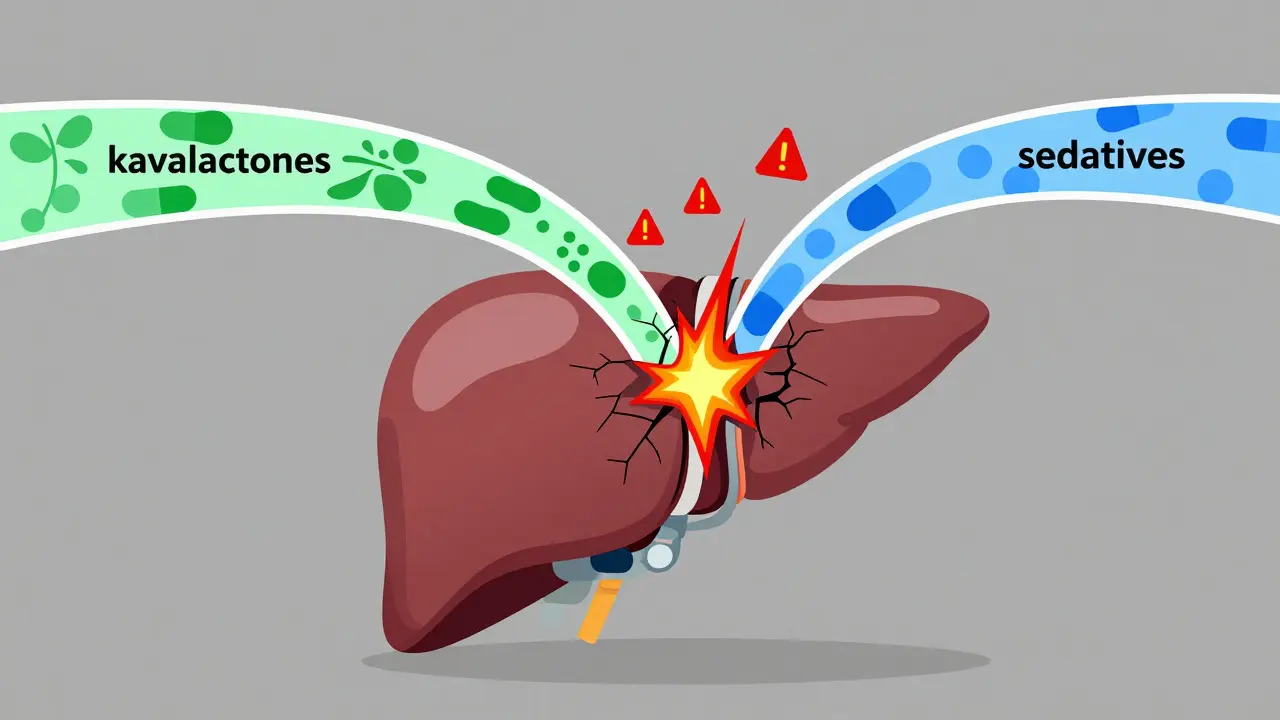
Why does this happen? The exact mechanism isn't fully understood, but research suggests that kava inhibits specific enzymes in your liver known as CYP450 enzymes. Specifically, it blocks CYP2D6, CYP2C9, and CYP3A4. These enzymes are responsible for breaking down many pharmaceutical drugs. When they are inhibited, drugs stay in your system longer and at higher concentrations than intended. This overload stresses the liver cells, leading to inflammation, hepatitis, and in extreme cases, cirrhosis or acute liver failure.
Dr. Jay H. Hoofnagle, Editor of LiverTox, notes that at least a dozen instances of acute liver failure have been linked to kava use. Symptoms don't appear overnight. According to case reviews, signs like fatigue, nausea, and jaundice (yellowing of the skin and eyes) typically show up one to four months after starting regular use. If your ALT levels (a marker of liver stress) rise above three times the upper limit of normal, medical guidelines recommend stopping kava immediately. Fortunately, 92% of mild cases resolve within 60 days of discontinuation, but waiting too long can cause permanent damage.
Dangerous Sedation Risks
While liver damage is a slow burn, the sedation risk is immediate and dramatic. Kava has a "Major" interaction rating with benzodiazepines according to drug interaction checkers. When you combine kava with central nervous system (CNS) depressants like alprazolam (Xanax), diazepam (Valium), or lorazepam (Ativan), you aren't just adding their effects together-you're multiplying them.
Studies show that kava can increase plasma concentrations of midazolam (a similar sedative) by 27% because it blocks the CYP3A4 enzyme that usually clears it from your body. Real-world consequences are stark. A Sacramento County case study documented two patients who developed acute liver failure and severe sedation after combining kava with prescription sedatives. One patient, taking 300 mg of kava daily with 2 mg of alprazolam, developed jaundice and critically high liver enzymes within 90 days. Another patient combining kava with diazepam required hospitalization for coagulopathy, a condition where your blood doesn't clot properly.
User reports echo these clinical findings. On forums like Reddit and Erowid, users describe experiences where combining kava with prescribed lorazepam left them unable to stand for hours, with confused speech and excessive drowsiness. The FDA’s Adverse Event Reporting System recorded 37 sedation-related incidents involving kava between 2019 and 2023, with 12 cases requiring medical intervention due to excessive drowsiness when mixed with prescription sedatives.
Who Is Most at Risk?
Not everyone who takes kava will experience these side effects, but some groups are significantly more vulnerable. If you fall into any of these categories, the risks outweigh the benefits:
- People taking CNS depressants: This includes benzodiazepines, barbiturates, sleep aids (like zolpidem), and muscle relaxants.
- Individuals with pre-existing liver conditions: If you have hepatitis, fatty liver disease, or a history of liver issues, the CDC advises avoiding kava entirely.
- Heavy alcohol consumers: Alcohol also stresses the liver and interacts with kavalactones, creating a synergistic hepatotoxic effect that accelerates liver damage.
- Users of other metabolized drugs: Drugs processed by CYP2D6, CYP2C9, or CYP3A4 enzymes-including some antidepressants, antipsychotics, and statins-may reach toxic levels when combined with kava.
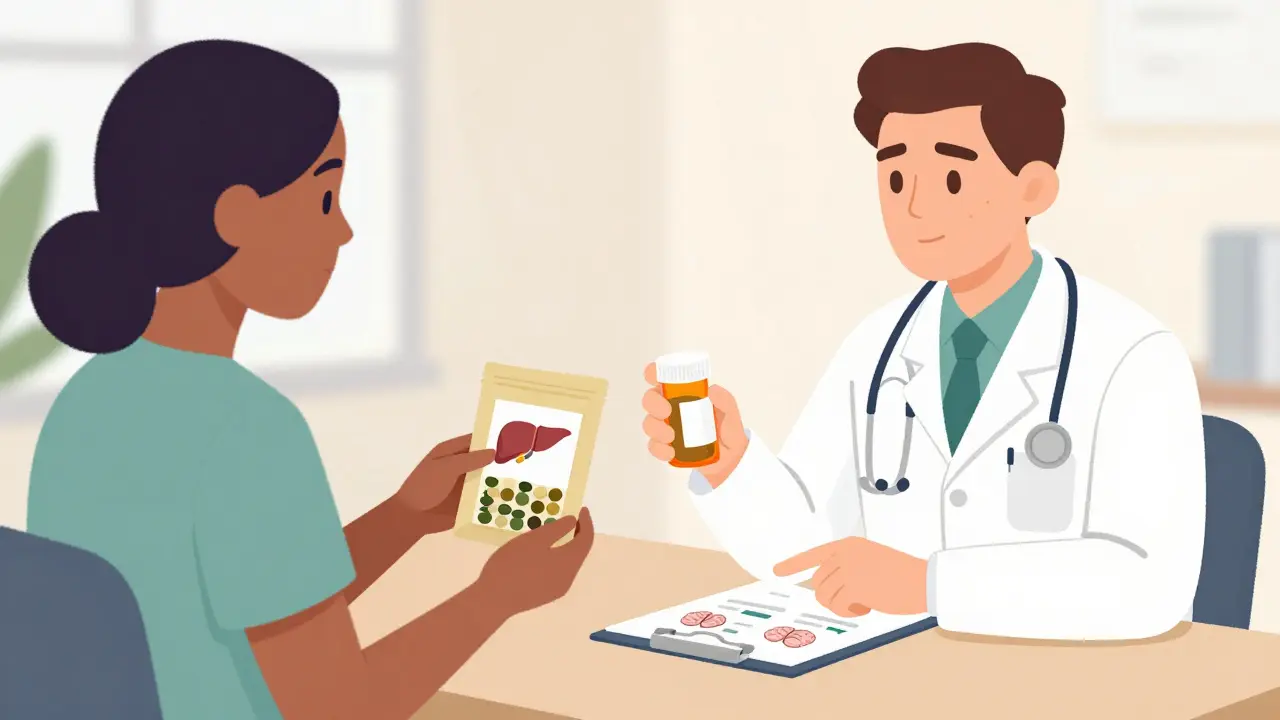
A critical issue is disclosure. Research from Sacramento County found that only 22% of patients voluntarily told their doctors they were using kava when presenting with liver symptoms. Many people view kava as a "natural" herb and assume it’s safe to keep hidden from their healthcare provider. This lack of transparency delays diagnosis and worsens outcomes.
Navigating the Regulatory Gray Area
The regulatory landscape for kava is confusing because it varies wildly by region. In the U.S., kava is sold under the Dietary Supplement Health and Education Act of 1994, which means it doesn’t undergo the rigorous safety testing required for prescription drugs. This leads to variability in kavalactone content from batch to batch. You might not know exactly how strong your supplement is.
In contrast, the European Medicines Agency concluded in 2015 that kava’s risk-benefit profile is unfavorable compared to prescription anxiolytics. They maintain that no safe level of consumption exists for individuals taking concomitant medications metabolized by key liver enzymes. Australia’s Therapeutic Goods Administration takes a middle ground, stating the risk is "very low but not negligible," especially with long-term use of high doses exceeding 250 mg daily.
This fragmentation creates a false sense of security for U.S. consumers. While 41% of naturopathic doctors still recommend kava for anxiety, only 3% of board-certified psychiatrists do. As state-level actions increase, such as California’s formal warnings in 2024, the trend is moving toward stricter regulation. However, until federal laws change, the burden of safety falls largely on the consumer.
Safer Alternatives and Best Practices
If you are struggling with anxiety or insomnia, there are safer ways to manage these conditions without risking liver failure or dangerous sedation. Prescription medications like buspirone or non-benzodiazepine sleep aids offer standardized dosing and predictable pharmacokinetics. Cognitive behavioral therapy (CBT) is another evidence-based approach that addresses the root causes of anxiety without chemical side effects.
If you insist on using kava despite the risks, follow these harm-reduction strategies:
- Disclose everything to your doctor: Tell your healthcare provider about every supplement you take. Ask specifically about interactions with your current medications.
- Avoid combining with sedatives: Do not mix kava with alcohol, benzodiazepines, or sleep aids. The sedation risk is too high.
- Limit dosage and duration: Keep intake below 70 mg daily if you must use it, and avoid long-term continuous use. Take breaks to allow your liver to recover.
- Monitor liver function: If you have risk factors, get biweekly liver function tests. Watch for early signs like unusual fatigue, nausea, or dark urine.
- Choose traditional preparations: If possible, opt for water-extracted kava beverages rather than concentrated alcohol-based supplements, as they have a lower incidence of adverse events.
Can kava cause permanent liver damage?
Yes, in severe cases. While most mild cases of kava-induced liver injury resolve within 60 days of stopping the supplement, acute liver failure can occur, potentially requiring transplantation. The risk increases with high doses, long-term use, and combination with alcohol or other hepatotoxic substances.
Is it safe to take kava with Xanax or Valium?
No, it is not considered safe. Combining kava with benzodiazepines like alprazolam (Xanax) or diazepam (Valium) creates a major drug interaction. Kava inhibits the enzymes that break down these drugs, leading to dangerously high levels in your bloodstream, which can cause excessive sedation, confusion, respiratory depression, and increased liver stress.
Why is kava banned in Europe but legal in the US?
Europe banned kava as a medicinal product due to documented cases of severe liver injury and an unfavorable risk-benefit profile compared to prescription alternatives. In the U.S., kava is regulated as a dietary supplement under the 1994 DSHEA law, which does not require pre-market safety approval for supplements, allowing it to remain available despite FDA warnings about liver toxicity.
What are the early signs of kava-induced liver toxicity?
Early symptoms often include unexplained fatigue, nausea, loss of appetite, and abdominal pain. More advanced signs include jaundice (yellowing of the skin and eyes), dark urine, and pale stools. These symptoms typically appear one to four months after initiating regular kava use. Immediate cessation and medical evaluation are crucial if these signs appear.
Does traditional kava pose less risk than supplements?
Research suggests that traditional water-prepared kava beverages have a significantly lower incidence of adverse events (0.8 per 100,000 servings) compared to commercial alcohol or acetone extracts (7.3 per 100,000 servings). However, even traditional kava carries risks when combined with sedative medications or consumed in excess by individuals with pre-existing liver conditions.