
Isotretinoin and Depression: A Guide to Mental Health Monitoring
 Jul, 15 2026
Isotretinoin Mental Health Risk Assessor
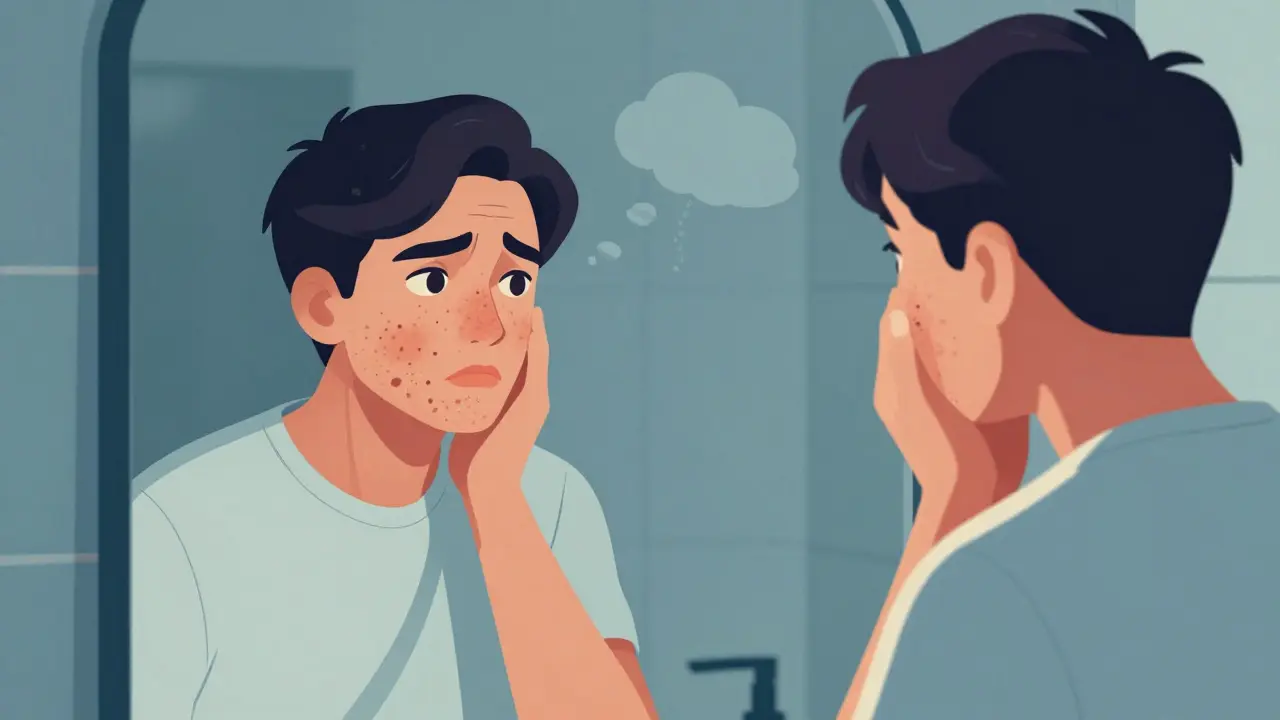
Severe acne can feel like it’s eating you alive. You spend hours hiding your face, avoiding eye contact, and dreading every mirror glance. When a dermatologist prescribes isotretinoin, it often feels like a lifeline. This powerful medication, originally branded as Accutane, shrinks oil glands and clears skin in ways nothing else can. But there is a shadow hanging over this treatment. For decades, patients and doctors have debated whether isotretinoin causes depression or even suicidal thoughts.
If you are starting this medication, you might be worried. Is the risk real? Do you need to watch for mood changes? The answer isn’t a simple yes or no. Recent data from 2025 shows conflicting signals. Some reports suggest a link, while large-scale studies say the risk is low. What matters most is how you monitor your mental health during treatment. Knowing what to look for-and when to act-can keep you safe while you clear your skin.
The Debate: Does Isotretinoin Cause Depression?
To understand the risk, we have to look at where the information comes from. There are two main camps in this debate. On one side, you have safety databases that track reported side effects. On the other, you have rigorous scientific studies that compare groups of people.
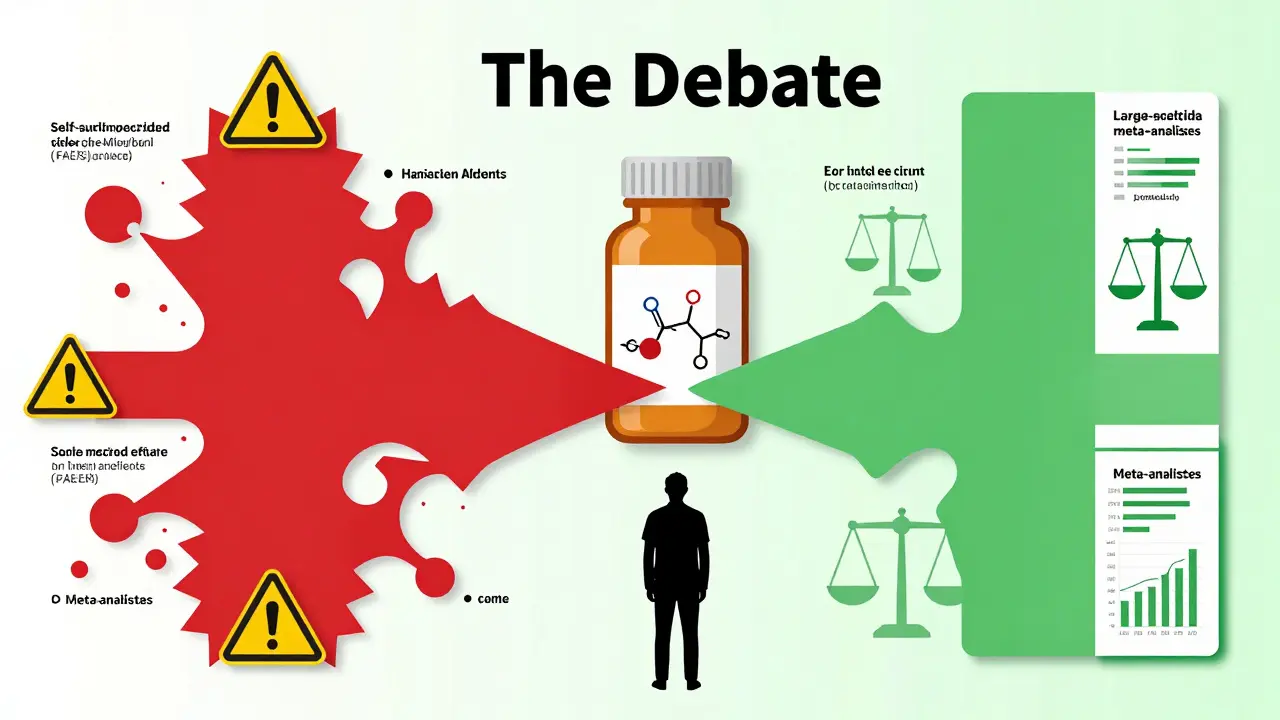
In January 2025, a study published in PubMed analyzed data from the FDA Adverse Event Reporting System (FAERS). This database collects voluntary reports from patients and doctors. The researchers looked at nearly 20,000 cases of psychiatric issues linked to isotretinoin between 2004 and 2024. They found strong signals for depression, anxiety, and suicidal ideation. In fact, the reporting odds ratio for suicide ideation was significantly higher for isotretinoin users compared to non-users. This suggests that when people take this drug, they are more likely to report these severe mood changes.
However, another major study tells a different story. A meta-analysis published in JAMA Dermatology in late 2023 reviewed 24 studies involving over 1.6 million participants. This type of study is considered the gold standard because it controls for many variables. The conclusion? There is no increased relative risk of suicide or psychiatric disorders among isotretinoin users compared to the general population. The absolute risk of a suicide attempt was calculated at 0.14% per year, which is actually lower than the rate seen in teenagers who are not taking the drug.
So, why the difference? FAERS data relies on self-reporting. If you feel depressed and you’re taking isotretinoin, you might blame the pill. But if you feel depressed and aren’t taking it, you might not report it to the FDA. Large studies try to remove this bias by comparing similar groups of people. Most experts now agree that while isotretinoin *can* affect mood in some individuals, it is not a direct cause of depression for the majority of patients. The key is individual susceptibility.
Who Is at Higher Risk?
Not everyone reacts the same way to isotretinoin. Your personal history plays a huge role in how your brain responds to the medication. Understanding your baseline risk helps you prepare for the journey ahead.
- Personal History of Mental Illness: If you have previously experienced depression, anxiety, bipolar disorder, or psychosis, you are at a higher risk. The JAMA meta-analysis confirmed that a psychiatric history is associated with an increased risk of adverse events. This doesn’t mean you can’t take the drug, but it means you need closer monitoring.
- Family History: Genetics matter. If close relatives have struggled with severe mental health conditions, your risk may be slightly elevated. Emerging research in 2024 identified genetic markers, such as the BDNF Val66Met polymorphism, that might predict susceptibility to mood changes.
- Current Stress Levels: Life happens. If you are going through a breakup, financial stress, or academic pressure, adding a potent medication into the mix can be overwhelming. Your brain is already under load.
- Age and Gender: Teenagers and young adults are the primary users of isotretinoin. This age group naturally has higher rates of mood fluctuations due to hormonal changes and social pressures. Additionally, men have higher rates of completed suicide in general epidemiology, which influences risk assessments.
It is also worth noting that severe acne itself is a risk factor for depression. Many patients report feeling better mentally after their skin clears because their confidence returns. So, sometimes the drug helps your mental health by fixing the root cause of your distress.
Monitoring Your Mental Health: A Practical Plan
You don’t need to be a doctor to monitor your mental health. You just need to be honest with yourself and your care team. Here is a step-by-step approach to staying safe during your treatment course, which typically lasts 15 to 20 weeks.
1. Baseline Assessment
Before you take the first pill, sit down with your dermatologist. Be open about your mental health history. Ask them to screen you using a validated tool like the Patient Health Questionnaire-9 (PHQ-9). This short quiz asks about symptoms like loss of interest, sleep problems, and feelings of worthlessness. A score of 10 or higher usually triggers a deeper evaluation. Establishing this baseline helps you distinguish between normal bad days and something more serious later on.
2. The Critical First Eight Weeks
Data from the FAERS analysis shows that the median time-to-onset for psychiatric signals is around 80 days. However, many patients notice changes earlier. The first two months are crucial. During this period, check in with yourself weekly. Are you sleeping differently? Have you lost interest in hobbies you used to love? Are you irritable with friends and family? Keep a simple journal. Writing down your mood each day creates an objective record that you can show your doctor.
3. Regular Check-Ins
Don’t wait for your monthly prescription refill to mention mood changes. If you are part of the iPLEDGE program in the United States, you are required to interact with the system regularly. Use this as a reminder to assess your mental state. In New Zealand and other regions, follow your local guidelines, which often recommend monthly monitoring. If you live far from your dermatologist, ask if telehealth check-ins are an option for quick updates.
4. Involve Your Support System
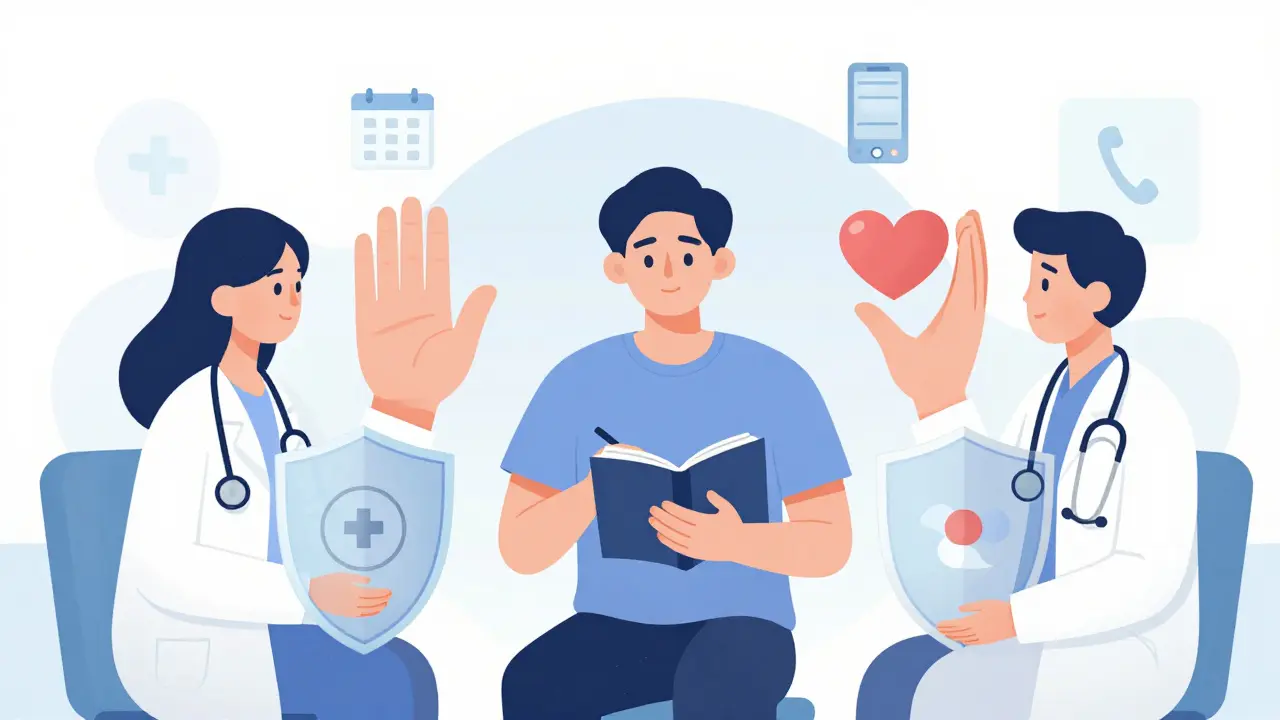
Tell your partner, parents, or close friends that you are on isotretinoin. Ask them to watch for red flags. Sometimes, others see changes before we do. If your friend says, “You seem really down lately,” listen to them. Don’t dismiss their concern. Having a support network reduces isolation, which is a major trigger for depression.
Red Flags: When to Stop and Seek Help
Mood swings are normal. Everyone has bad days. But there is a line between typical irritability and a medical emergency. You should stop taking isotretinoin and seek immediate professional help if you experience any of the following:
- Suicidal Ideation: Any thought of harming yourself, even if you don’t plan to act on it, is a critical warning sign. Call emergency services or a crisis hotline immediately.
- Severe Anxiety: Panic attacks, constant worry that interferes with daily life, or physical symptoms like racing heart and sweating that don’t go away.
- Emotional Blunting: Some users report feeling “numb” or unable to feel joy or sadness. While less dangerous than active depression, this change in personality warrants a discussion with your doctor.
- Abrupt Mood Changes: If you are usually cheerful and suddenly become withdrawn, angry, or tearful without a clear reason, this is a significant shift.
- Psychotic Symptoms: Hallucinations, delusions, or paranoia are rare but serious. These require immediate discontinuation of the drug and psychiatric evaluation.
Remember, stopping the medication does not mean you failed. It means you prioritized your safety. In many cases, symptoms resolve within a few weeks of stopping the drug. As one user on Reddit noted, their severe depression lifted three weeks after discontinuing treatment. Your doctor can then decide if it is safe to restart at a lower dose or switch to an alternative treatment.
Alternatives to Isotretinoin
If you are too anxious to start isotretinoin, or if you experience side effects, there are other options. None are as effective for severe nodular acne, but they carry different risk profiles.
| Treatment | Effectiveness for Severe Acne | Psychiatric Risk Profile | Best For |
|---|---|---|---|
| Isotretinoin | High (85% long-term clearance) | Low absolute risk, but requires monitoring | Severe nodular acne unresponsive to other treatments |
| Oral Antibiotics (Doxycycline) | Moderate | Very low; generally well-tolerated mentally | Moderate inflammatory acne |
| Minocycline | Moderate | Low; associated with depression in ~1.7% of users | Patients who cannot take doxycycline |
| Hormonal Therapy (Spironolactone/Birth Control) | Moderate to High (for women) | Variable; birth control can improve or worsen mood depending on the individual | Women with hormonal acne patterns |
| Topical Retinoids | Low to Moderate | Negligible systemic absorption; minimal mental health risk | Mild to moderate acne |
Note that minocycline, an oral antibiotic, has been linked to depression in a small percentage of users. Always discuss your full medical history with your doctor before switching medications.
Navigating Regulatory Requirements
Different countries have different rules for prescribing isotretinoin. In the United States, the iPLEDGE program is mandatory. Updated in 2024, it requires prescribers to complete mental health monitoring training annually. Patients must confirm they understand the risks, including psychiatric ones, before receiving prescriptions. The system now integrates electronic PHQ-9 monitoring for some providers, requiring weekly digital check-ins during the first eight weeks.
In Australia, the Therapeutic Goods Administration (TGA) issued updated warnings in 2024, mandating enhanced monitoring for persistent psychiatric symptoms. In Europe, the European Medicines Agency (EMA) requires product information to specify that patients with pre-existing disorders need close monitoring. If you are traveling, be aware that regulations vary. Always carry documentation of your treatment plan.
Frequently Asked Questions
Can I take isotretinoin if I am currently being treated for depression?
Yes, but with caution. The American Academy of Dermatology and recent guidelines suggest that having depression is not an automatic contraindication. However, you need a coordinated care plan between your dermatologist and your psychiatrist or therapist. They will likely start with a lower dose of isotretinoin and monitor you more frequently. Stability in your mental health treatment is key before starting.
How long does it take for mood side effects to appear?
The median time-to-onset for psychiatric signals is approximately 80 days, but many patients report changes within the first 8 weeks. This is why the initial phase of treatment requires the most vigilance. Keep a weekly log of your mood during this period to spot trends early.
Does isotretinoin cause emotional blunting?
Some users report feeling emotionally numb or detached, a phenomenon known as emotional blunting. While not officially listed as a common side effect in all regulatory documents, patient forums and anecdotal evidence highlight this experience. If you feel disconnected from your emotions, discuss it with your doctor. It may be related to the medication or underlying stress.
What should I do if I feel suicidal while on isotretinoin?
Stop taking the medication immediately and seek emergency help. Contact a crisis hotline, go to the nearest emergency room, or call a trusted family member. Do not wait for your next doctor’s appointment. Your safety is the priority. Inform your dermatologist as soon as possible so they can document the event and adjust your treatment plan.
Are generic versions of isotretinoin safer than brand names?
No. Generic isotretinoin contains the same active ingredient as brand-name drugs like Roaccutane or Claravis. The psychiatric risk profile is identical across all formulations. The choice between generic and brand usually depends on insurance coverage and cost, not safety.
Can vitamin deficiencies contribute to mood changes on isotretinoin?
Yes. Recent guidelines from the European Medicines Agency recommend ruling out vitamin B12 deficiency before attributing mood changes solely to isotretinoin. Studies show that nearly 19% of isotretinoin users may have low B12 levels, which can cause fatigue and depression-like symptoms. Ask your doctor to check your vitamin levels if you experience mood shifts.
Taking isotretinoin is a big decision. It offers hope for clear skin, but it demands respect for its potential impact on your mind. By staying informed, monitoring your mood, and communicating openly with your healthcare team, you can navigate this treatment safely. Your mental health is just as important as your skin health. Protect both.