
How to Prevent Moisture Damage to Pills and Capsules: A Complete Guide
 Jun, 12 2026
Have you ever opened a bottle of pills only to find them stuck together in a hard, unrecognizable lump? Or maybe you noticed a strange vinegar smell coming from your aspirin? That is not just bad luck; it is moisture damage. Water vapor is the silent enemy of pharmaceutical stability. It triggers chemical reactions like hydrolysis that break down active ingredients, turning effective medicine into useless-or even harmful-substances. For example, when aspirin meets moisture, it decomposes into salicylic acid and acetic acid (vinegar), which can irritate your stomach lining.
You do not need a chemistry degree to keep your medications safe. You just need to understand how moisture gets in and how to block it. Whether you are dealing with sensitive antibiotics or daily vitamins, protecting your supply from humidity ensures they work exactly as prescribed. Let’s look at why this happens and, more importantly, how you can stop it right now.
Why Moisture Ruins Your Medication
To prevent damage, you first need to know what you are fighting. Most solid dosage forms, like tablets and capsules, contain Active Pharmaceutical Ingredients (APIs), which are the compounds that treat your condition. Many of these APIs are hygroscopic, meaning they naturally attract and absorb water from the air. When they do, two things happen: physical changes and chemical degradation.
Physically, moisture causes pills to swell, crack, or stick together. This makes them difficult to swallow and can alter how quickly they dissolve in your body. Chemically, water acts as a catalyst for breakdown. A study highlighted by Biogrund notes that moisture accelerates oxidation, particularly in vulnerable substances like Vitamin C. If you take supplements or medications in humid environments without proper protection, you might be ingering degraded products that offer little to no therapeutic benefit.
The risk isn't limited to exotic drugs. Common antibiotics like amoxicillin/clavulanic acid are highly sensitive. Research shows that uncoated tablets of this antibiotic can lose their potency completely within days if exposed to high humidity outside their primary packaging. Understanding this vulnerability is the first step in building a better storage routine.
The Bathroom Medicine Cabinet Myth
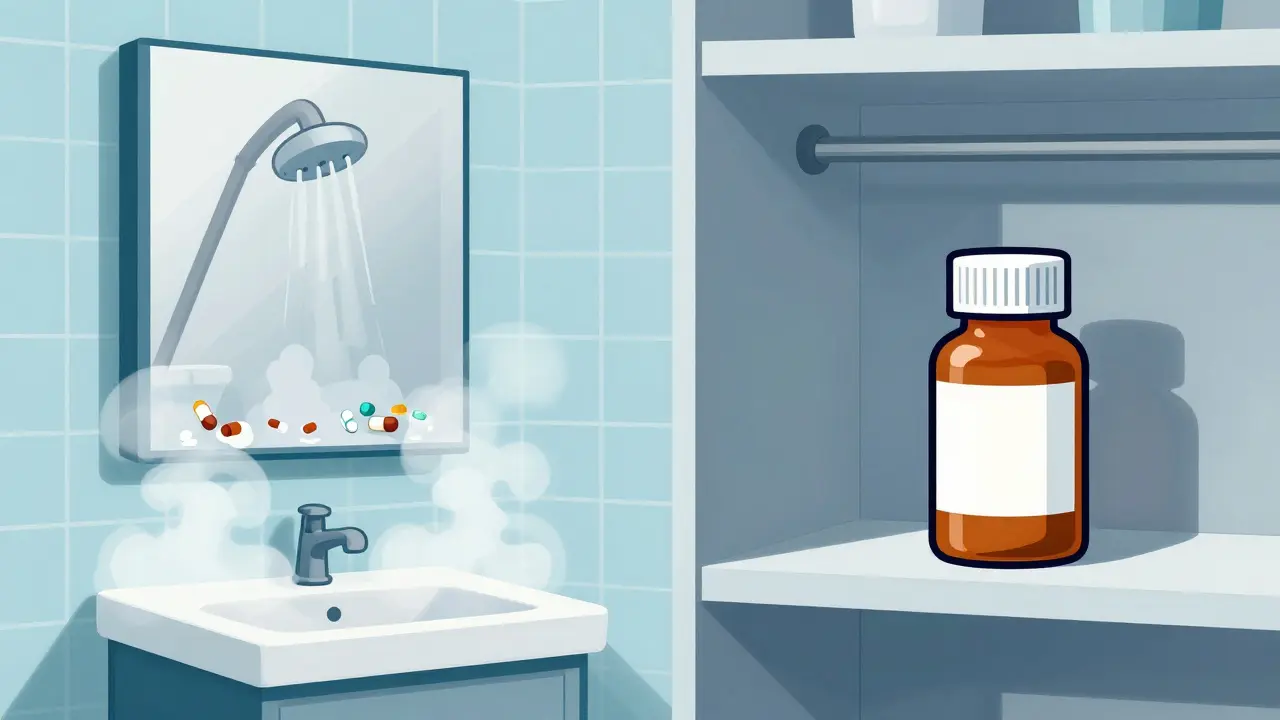
If you have a medicine cabinet in your bathroom, you are likely storing your pills in one of the worst places possible. We associate bathrooms with health, but they are also steam rooms. Every time you shower, the humidity spikes dramatically. Even if you don’t see condensation on the walls, the air is saturated with water vapor.
Bathroom humidity fluctuates wildly throughout the day. These temperature and moisture swings stress the seals on your pill bottles and accelerate the absorption of water into the tablets. Baltimore Innovations data suggests that quality issues related to environmental factors contribute significantly to medication shortages and failures. By keeping meds in the bathroom, you are essentially baking them in a sauna every morning.
Move your medications to a cool, dry place. A bedroom closet, a kitchen cupboard away from the stove and sink, or a dedicated drawer in a hallway are far superior options. The goal is consistency. You want a stable environment where the relative humidity stays low and the temperature remains moderate.
Mastering the Pill Bottle: Desiccants and Seals
Your prescription bottle is designed to protect your medicine, but it has limits. The plastic containers used by pharmacies are typically made of High-Density Polyethylene (HDPE). While HDPE blocks liquid water, it is permeable to water vapor over time. More critically, every time you open the cap, you let fresh, moist air in.
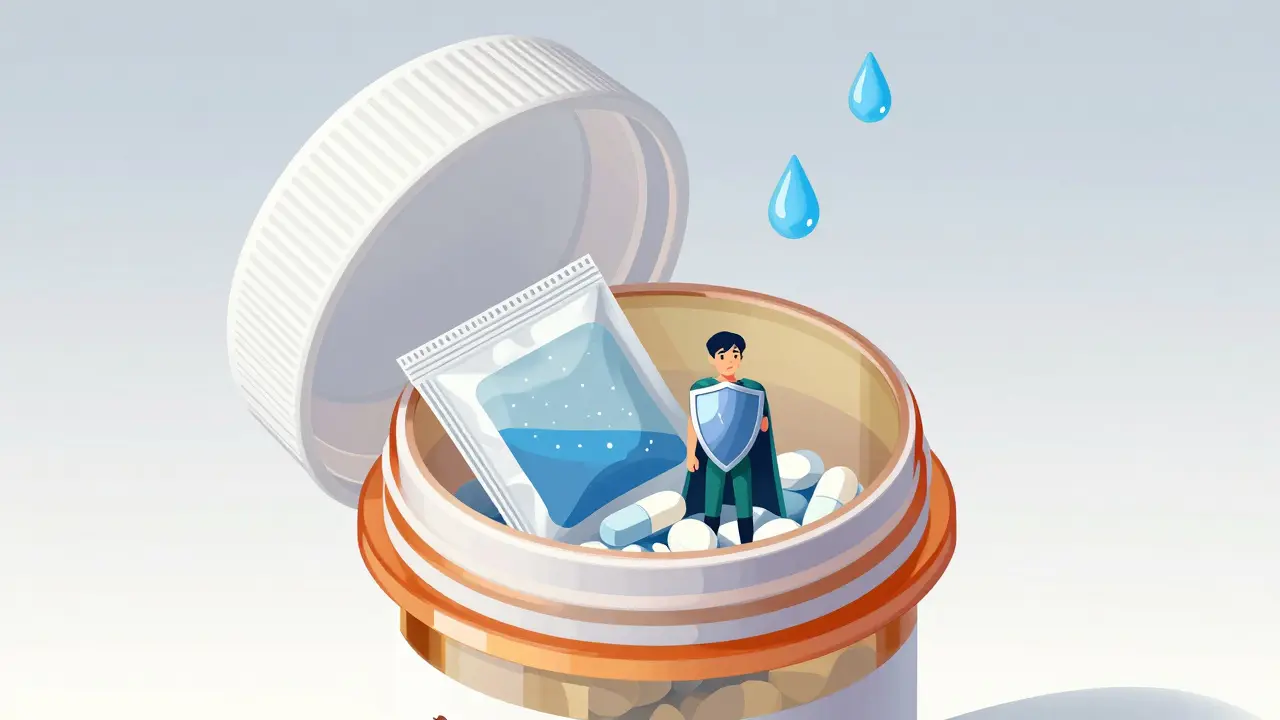
This is where the small white packet inside the bottle becomes crucial. This is Silica Gel, a desiccant that absorbs moisture. Never throw it away. Silica gel can adsorb up to 40% of its weight in moisture. In a typical 500-pill bottle, patients open the container hundreds of times before finishing the course. Each opening replaces the dry air inside with ambient air. Without the desiccant to soak up that incoming humidity, the pills degrade rapidly.
Here is a simple checklist for handling your pill bottles:
- Keep the desiccant: Always return the silica gel packet to the bottle after use.
- Close tightly: Ensure the child-resistant cap clicks shut securely.
- Don't transfer lightly: Moving pills to weekly organizers exposes them to air. Only transfer what you need for that specific day or week.
- Check the seal: If the tamper-evident ring is broken or the cap feels loose, contact your pharmacist for a replacement container.
Film Coatings: The Invisible Shield
While you cannot change how your pills are manufactured, understanding film coatings helps explain why some medications last longer than others. Manufacturers apply thin polymer layers to tablets to create a barrier against moisture. Traditional coatings often use Hydroxypropyl Methylcellulose (HPMC), which offers decent protection.
However, newer technologies are changing the game. Polyvinyl Alcohol (PVA) coatings represent a significant advancement. According to research from Colorcon, PVA-based coatings like Opadry® amb II provide approximately three times better moisture barrier properties than standard HPMC coatings. In tests involving moisture-sensitive antibiotics, PVA-coated tablets maintained their potency while uncoated versions failed completely under the same conditions.
This means that if you are prescribed a moisture-sensitive drug, the manufacturer is likely using advanced coating techniques to ensure it survives the journey from factory to your home. But remember, even the best coating cannot withstand prolonged exposure to high humidity once the package is opened. That is why your storage habits still matter immensely.
Traveling with Medications
Travel introduces new challenges. Changes in altitude, temperature, and humidity can stress your medication. If you are flying, carry your essential medications in your carry-on luggage. Cargo holds can experience extreme temperatures that compromise drug stability.
When traveling to tropical or humid destinations, extra precautions are necessary. Consider using airtight travel containers specifically designed for medications. Some travelers use small, resealable bags with oxygen absorbers or additional silica gel packets (ensure they are food-grade and sealed separately so you don't accidentally ingest them) to maintain a dry micro-environment around the pills.
Avoid leaving medications in cars. A car parked in the sun can reach internal temperatures exceeding 60°C (140°F), which combines heat and humidity to rapidly degrade most pharmaceuticals. Always bring them inside with you.
Signs Your Pills Are Compromised
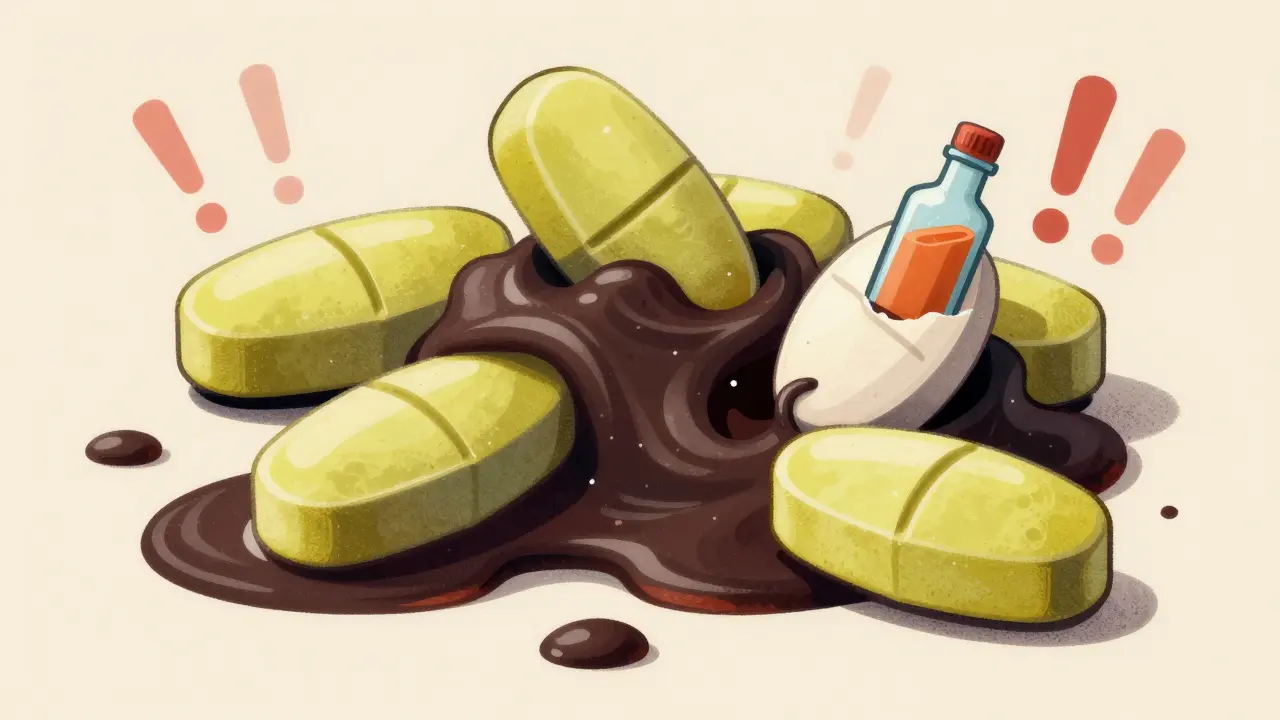
How do you know if moisture has already done its damage? Look for these warning signs:
- Texture changes: Pills feel soft, sticky, or crumble easily.
- Color shifts: Discoloration or dark spots on the surface.
- Odor: Any unusual smell, especially a sour or vinegar-like scent.
- Clumping: Tablets sticking together in a mass.
If you notice any of these signs, do not take the medication. Contact your pharmacist for advice. They may recommend replacing the supply. Taking degraded medication can lead to treatment failure or unexpected side effects due to toxic byproducts formed during decomposition.
| Location | Humidity Risk | Temperature Stability | Verdict |
|---|---|---|---|
| Bathroom Cabinet | High (Steam from showers) | Low (Fluctuates with usage) | Avoid |
| Kitchen Counter | Moderate (Near sinks/stoves) | Moderate | Cautious Use |
| Bedroom Closet | Low (Consistent indoor air) | High (Stable room temp) | Ideal |
| Car Glovebox | Variable | Very Low (Extreme heat/cold) | Dangerous |
Disposal of Damaged Medications
If your pills are damaged, flushing them down the toilet is rarely the best option unless specifically instructed on the label. Flushing can contaminate water supplies. Instead, use a drug take-back program. Many pharmacies and community centers host collection bins for safe disposal. If no take-back program is available, mix the pills with an unappealing substance like dirt, cat litter, or used coffee grounds in a sealed plastic bag before throwing them in the trash. Remove all personal information from the prescription label before discarding the container.
Should I store my insulin or other injectables in the fridge?
Many injectables require refrigeration, but check the label carefully. Once opened, some insulins can be kept at room temperature for a certain number of days. However, never freeze them, as ice crystals destroy the protein structure. For oral pills, the fridge is usually too humid and cold, leading to condensation when removed. Stick to cool, dry cupboards for most oral medications.
Can I put my own silica gel packets in my pill bottle?
Yes, but ensure they are food-grade silica gel and clearly labeled. Do not use clay-based desiccants meant for electronics, as they may contain impurities. Also, make sure the packet is small enough to fit comfortably without preventing the cap from sealing tightly. The original pharmacy-provided packet is always the safest choice.
How long does moisture damage take to occur?
It depends on the drug's sensitivity and the humidity level. Highly hygroscopic drugs can begin degrading within hours of exposure to high humidity (above 60% RH). Less sensitive drugs might take weeks or months. However, visible signs like clumping often appear before total potency loss, so regular inspection is key.
Are blister packs better than bottles for moisture protection?
Generally, yes. Blister packs, especially those with aluminum foil backing, provide individual moisture barriers for each dose. This prevents the entire supply from being exposed every time you take one pill. Bottles expose all remaining pills to air and humidity with every opening. If you live in a very humid climate, ask your pharmacist if your medication is available in blister packaging.
What should I do if I forgot to put the desiccant back in the bottle?
If it has been just a few hours or a day, the risk is minimal. Simply put it back in immediately. If you realize days later, inspect the pills for any signs of moisture damage (stickiness, odor). If they look normal, continue using them but stay vigilant. Repeated omissions will increase the risk of degradation over time.