
How to Participate in Patient Registries for Drug Safety: A Complete Guide
 May, 15 2026
Imagine taking a new medication that could change your life, but comes with rare side effects that only show up years later. How do doctors know if it’s safe? That’s where Patient Registries are organized systems that collect uniform clinical and demographic data to evaluate specified outcomes related to medication safety and effectiveness. These aren’t just databases; they are the backbone of modern drug safety monitoring, catching risks that standard clinical trials miss.
If you’ve been prescribed a high-risk medication, or if you simply want to contribute to medical science, understanding how to join these registries is crucial. You might be wondering if you’re eligible, what data they actually collect, or whether your privacy is truly protected. This guide breaks down exactly how patient registries work, why they matter, and the specific steps you can take to participate safely and effectively.
Why Do We Need Patient Registries?
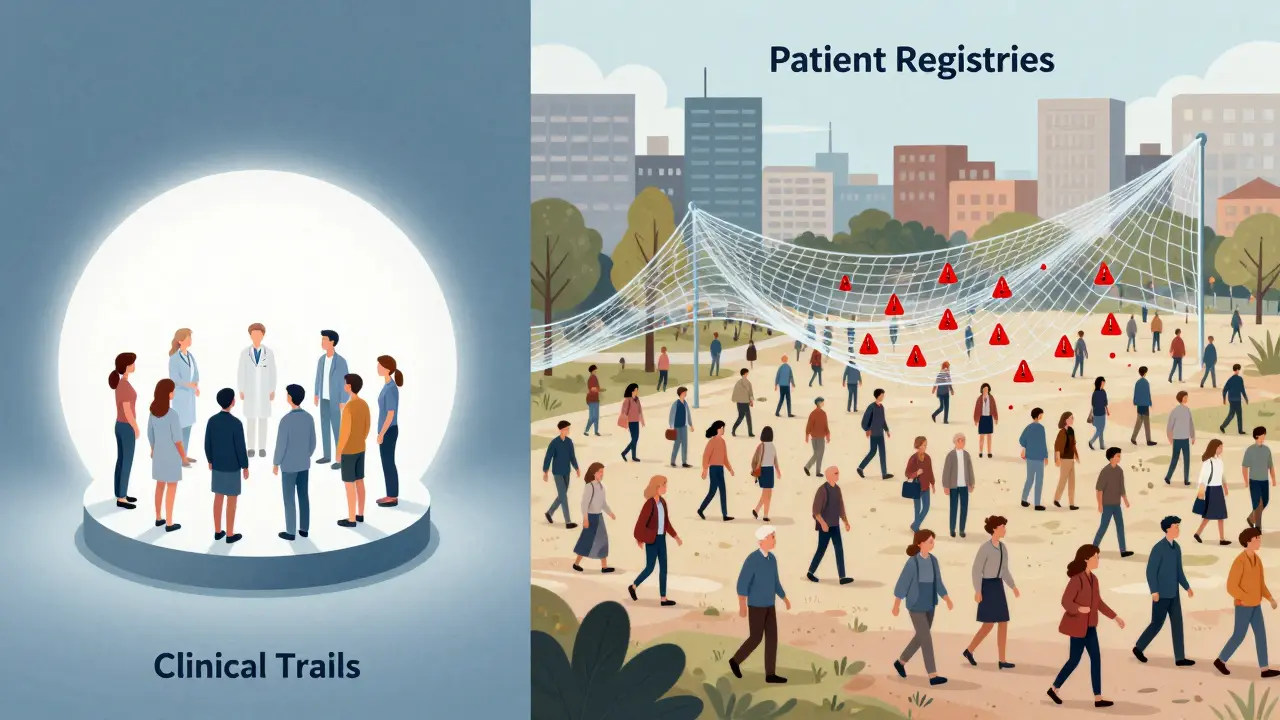
Clinical trials are essential for approving new drugs, but they have blind spots. Typically, trials involve a few thousand people who are carefully screened for good health. They rarely include elderly patients, those with multiple conditions, or people taking other medications. In fact, randomized clinical trials represent only about 10-15% of a drug's lifecycle. The remaining 85-90% happens in the real world, where safety monitoring becomes critical.
Registries fill this gap. According to the National Academies of Sciences, Engineering, and Medicine, registries track populations defined by a particular disease, condition, or exposure over time. For example, the FDA’s Sentinel Initiative, launched in 2008, monitors millions of records to spot adverse events that slip through initial testing. Without these long-term observational studies, we wouldn’t know about rare but serious issues like agranulocytosis linked to certain psychiatric drugs or liver toxicity from some arthritis treatments.
Think of it this way: clinical trials tell us if a drug works under perfect conditions. Registries tell us if it’s safe when used by real people, in real life, over many years.
Types of Registries: Which One Is Right for You?
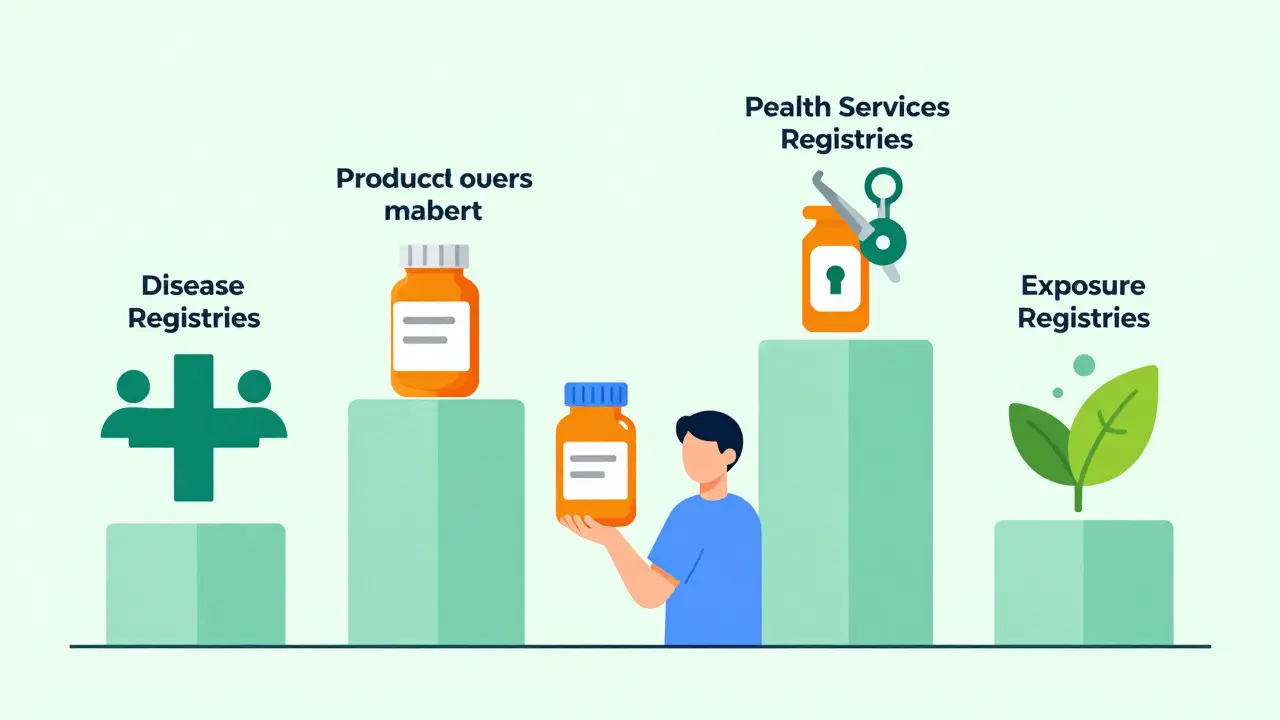
Not all registries are created equal. The FDA identifies four primary types, each serving a different purpose. Knowing which one applies to you helps set realistic expectations about participation.
- Disease Registries: Track all patients with a specific condition, regardless of treatment. For instance, the Cystic Fibrosis Foundation Patient Registry tracks everyone diagnosed with CF to monitor overall health trends.
- Product Registries: Focus on patients receiving a specific medication. These are often mandatory for high-risk drugs. If you take natalizumab (Tysabri), you must be enrolled because of the risk of a rare brain infection called PML.
- Health Services Registries: Monitor patients undergoing specific medical procedures, such as joint replacements or heart surgeries.
- Exposure Registries: Track patients exposed to specific environmental factors or medications, even if they don’t have a specific disease yet.
The most common scenario for individual patients involves product registries. These are often tied to Risk Evaluation and Mitigation Strategies (REMS). As of late 2023, the FDA listed 47 drugs requiring mandatory registry enrollment. This isn’t optional bureaucracy; it’s a safeguard designed to ensure that dangerous side effects are caught early.
Mandatory vs. Voluntary: What’s the Difference?
Your level of control depends on whether the registry is mandatory or voluntary. This distinction affects everything from enrollment rates to the type of data collected.
| Feature | Mandatory Registries | Voluntary Registries |
|---|---|---|
| Enrollment Requirement | Required to access the medication | Opt-in based on patient consent |
| Compliance Rate | High (often 95-99%) | Variable (typically 60-75%) |
| Data Completeness | Very High (standardized protocols) | Moderate (depends on patient engagement) |
| Bias Risk | Low (captures all users) | Higher (selection bias; healthier patients may opt-in) |
| Example | Clozapine Registry (UK/Ireland) | NORD Rare Disease Registry |
In the United States, mandatory registries account for about 37% of safety monitoring programs for high-risk meds. In Europe, GDPR complexities mean only 18% are mandatory. If you’re in a mandatory program, you won’t get the prescription unless you’re registered. If it’s voluntary, you have the choice to say no-but remember, opting out means your unique health data won’t help protect others.
How to Find and Join a Registry
Finding the right registry doesn’t have to be a maze. Here are the most direct pathways to participation.
- Talk to Your Prescriber: This is the most common route. If your doctor prescribes a high-risk drug, they will likely handle the enrollment. They’ll explain the REMS requirements and help you complete the forms.
- Check the FDA Drugs@FDA Database: Updated weekly, this tool lists required registries for specific medications. Search for your drug name to see if a registry is mandated.
- Contact Disease Advocacy Groups: Organizations like the National Organization for Rare Disorders (NORD) manage hundreds of disease-specific registries. They provide educational materials and simplify the sign-up process, which usually takes 15-20 minutes.
- Use ClinicalTrials.gov: This comprehensive directory lists thousands of active registries. Use filters like “safety monitoring” or “post-marketing” to find relevant studies.
Once you identify a registry, the onboarding process varies. Simple surveys might take eight minutes, while complex EHR-integrated systems could require 45 minutes initially. Don’t let the paperwork scare you; most registries offer support lines and clear instructions.
What Data Will They Collect?
Transparency is key. Registries need accurate data to detect safety signals, but you should know exactly what they’re asking for. Typical data points include:
- Demographics: Age, gender, location.
- Medical History: Past conditions, surgeries, family history.
- Medication Details: Dose, duration, adherence (did you take it as prescribed?), and any other concurrent drugs.
- Adverse Events: Side effects, lab results indicating toxicity, hospitalizations.
- Quality of Life: Surveys on how the drug impacts your daily functioning.
The FDA requires at least 85% completeness for critical safety variables. This means if a registry misses too much data, it can’t be trusted. Modern systems use electronic data capture compliant with 21 CFR Part 11, ensuring data integrity. Some registries pull directly from your Electronic Health Record (EHR), which reduces your burden but requires technical integration between your hospital and the registry platform.
Privacy and Security: Is Your Data Safe?
This is the biggest concern for most patients. You’re sharing intimate health details, so trust is non-negotiable. Legitimate registries operate under strict legal frameworks.
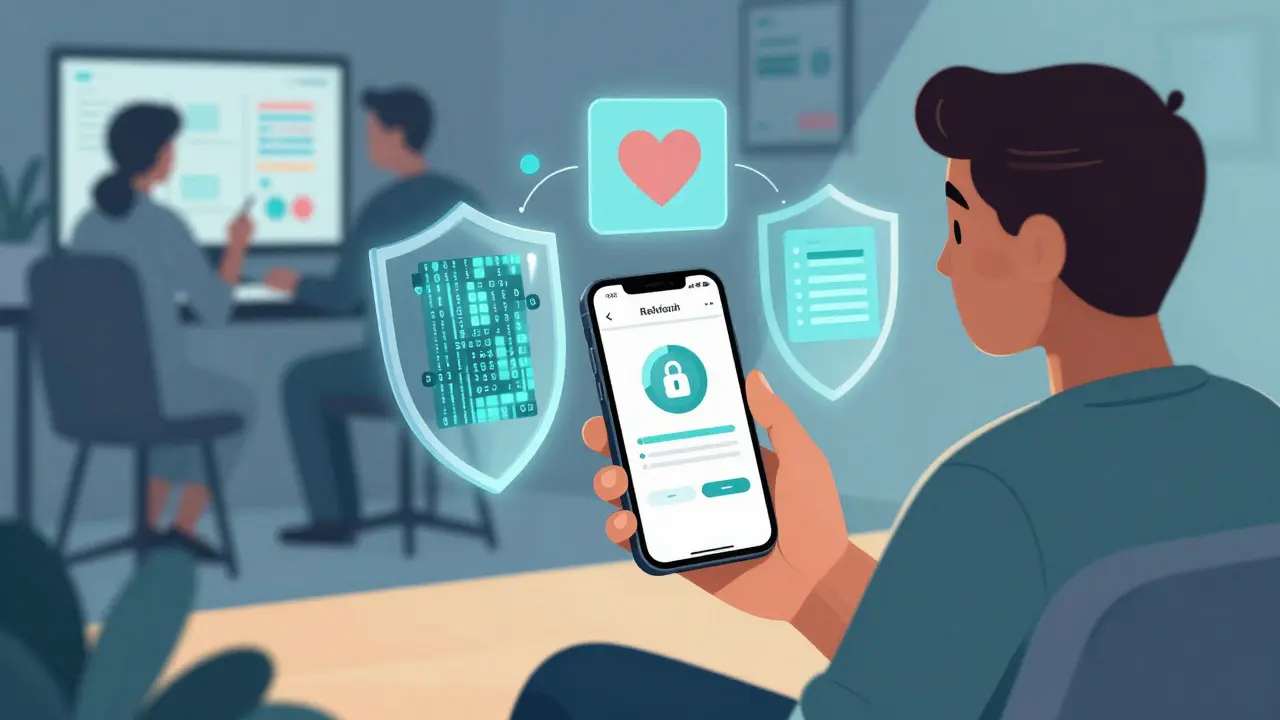
In the US, HIPAA protects your health information. In Europe, GDPR provides even stronger controls, giving you the right to access, correct, or delete your data. Most registries de-identify data, meaning your name and address are removed before analysis. Instead, you’re assigned a unique ID code.
New technologies are enhancing security further. Blockchain pilots in 17 global registries allow patients to control access to their own data. Platforms like MyDataCan let you decide which researchers can see your info. While no system is 100% immune to breaches, reputable registries undergo regular audits and employ encryption standards similar to banking institutions. Always ask: “Who has access to my raw data?” and “How long will it be stored?”
Benefits Beyond Safety Monitoring
Joining a registry isn’t just about helping regulators. It offers tangible benefits for you as a patient.
First, you gain better insights into your condition. The Hunter Syndrome Family Registry reported that 72.4% of participants used tracking tools to monitor treatment progress. This data helps you have more productive conversations with your healthcare provider. Second, you connect with a community. Many registries facilitate links to support groups, reducing the isolation that often comes with chronic or rare diseases. Finally, you contribute to faster approvals for new therapies. The Elaprase registry helped approve the drug for children under six by providing safety data from 87 young patients-data that wouldn’t have existed without their participation.
Challenges and How to Overcome Them
Participation isn’t always easy. Dropout rates average 18.7% annually across all registries. Why? Time, complexity, and fatigue. Here’s how to stay engaged:
- Set Reminders: Use calendar alerts for quarterly updates. Automated reminders increase retention by 27.4%.
- Understand the Consent Form: These documents can be 1,800-2,500 words long. Ask your doctor to summarize key points. Don’t sign if you don’t understand what you’re agreeing to.
- Leverage Tech Tools: Apps like the FDA’s MyStudies allow you to submit data via smartphone, making it easier to report symptoms on the go.
- Ask for Support: Some registries offer transportation assistance for in-person assessments. Don’t hesitate to request help if logistics are a barrier.
If you feel overwhelmed, remember you can withdraw at any time. Your participation is valuable, but your well-being comes first.
The Future of Patient Participation
We’re moving toward a more patient-centric model. The FDA’s 2024 requirement mandates that all new drug applications include a registry participation plan for serious risks. This means more opportunities-and responsibilities-for patients. Emerging trends include patient-controlled data sharing and standardized international guidelines (ICH E20), which will make cross-border research smoother.
As blockchain and AI improve data security and analysis, registries will become more efficient and less burdensome. But the core mission remains the same: protecting patients by learning from real-world experiences. By joining a registry, you’re not just a passive recipient of care; you’re an active partner in shaping the future of medicine.
Is joining a patient registry mandatory?
It depends on the medication. For high-risk drugs like natalizumab or clozapine, enrollment in a specific registry is often mandatory to receive the prescription. This is part of a Risk Evaluation and Mitigation Strategy (REMS). For other conditions, participation is voluntary. Always check with your prescriber or the FDA Drugs@FDA database to confirm requirements for your specific drug.
How is my personal data protected in a registry?
Reputable registries comply with strict privacy laws like HIPAA in the US and GDPR in Europe. Your identifiable information (name, address) is typically removed or encrypted, replaced by a unique ID. Data is used only for aggregated safety analysis. Newer platforms also offer patient-controlled access, allowing you to decide who sees your data.
What kind of information do I need to provide?
You’ll typically provide demographics, medical history, current medications, dosage details, and reports of any side effects or adverse events. Some registries also collect quality-of-life metrics through surveys. The goal is to create a comprehensive picture of how the drug performs in real-world settings.
Can I leave a registry once I join?
Yes, you can withdraw from a voluntary registry at any time. For mandatory registries, withdrawing may mean you can no longer access that specific medication, as enrollment is a condition of treatment. Discuss the implications with your healthcare provider before deciding to exit.
Do I get paid for participating?
Generally, no. Patient registries for drug safety are observational studies focused on public health, not clinical trials testing new interventions. Participants are not compensated financially. However, you benefit from improved medical knowledge and potentially better personalized care.
How long does it take to join a registry?
Initial registration typically takes 15-20 minutes for simple forms, though complex EHR-integrated systems may require up to 45 minutes. Ongoing maintenance varies; some require annual surveys, while others need quarterly updates. Using mobile apps like MyStudies can streamline this process significantly.
Who runs these registries?
Registries are run by various entities, including government agencies (like the FDA’s Sentinel Initiative), pharmaceutical companies (as part of post-market surveillance), disease advocacy organizations (like NORD), and academic institutions. The sponsor must adhere to strict regulatory guidelines to ensure data quality and patient safety.