
How to Appeal a Prior Authorization Denial for Your Medication: A Step-by-Step Guide
 Jul, 7 2026
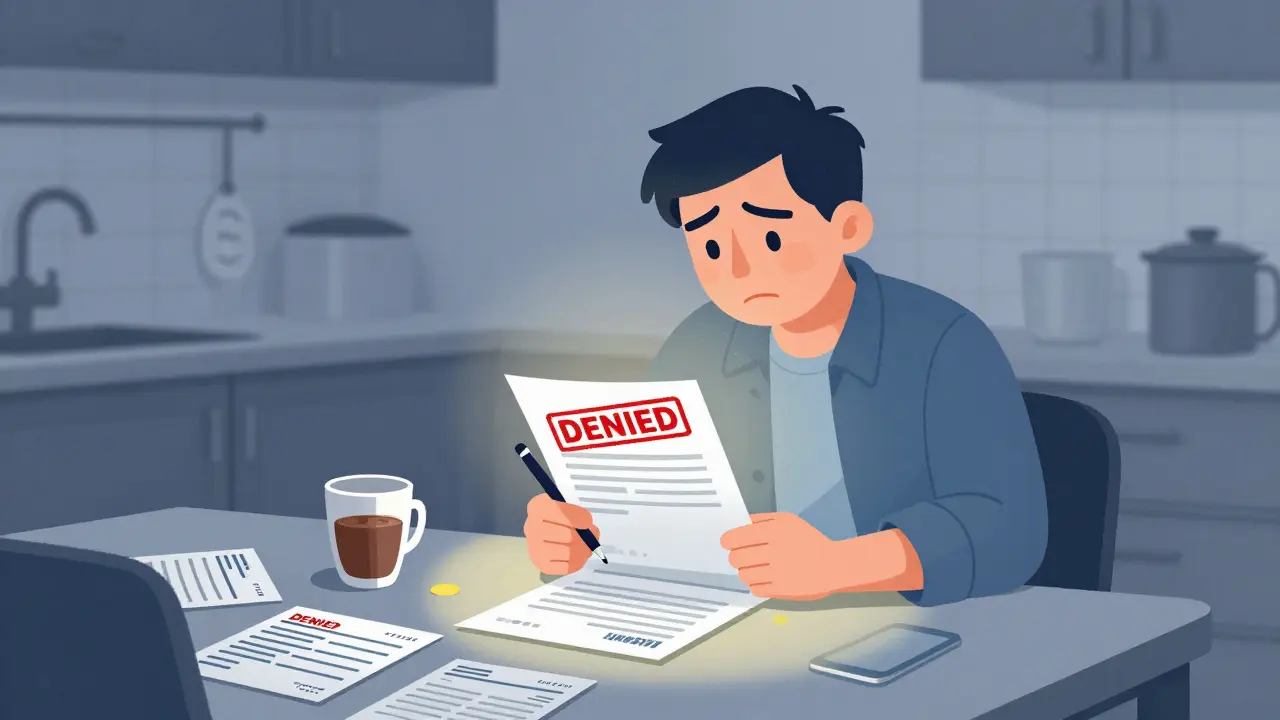
Getting your prescription denied by insurance is frustrating. You’re already dealing with a health issue, and now you’re stuck fighting a bureaucracy just to get the medicine your doctor prescribed. But here’s the good news: most of these denials are not final. In fact, data shows that when patients actually fight back, they win about 82% of the time. Yet, only 11% of people bother to appeal. That means millions of dollars in unnecessary out-of-pocket costs are being paid simply because people assume "no" is the end of the story.
You don’t have to accept that first rejection. Whether your insurer says the drug isn’t "medically necessary" or claims you haven’t tried cheaper alternatives yet, there is a clear path to overturning that decision. This guide breaks down exactly how to navigate the appeal process, from reading the fine print on your denial letter to drafting a winning argument that gets your medication approved.
Understanding Why Your Prescription Was Denied
Before you can fix the problem, you need to know what broke. Insurance companies don’t deny coverage randomly; they follow specific rules set by your plan. According to the American Medical Association, the vast majority of prior authorization denials fall into three buckets:
- Lack of Medical Necessity (48%): The insurer believes the drug isn’t required for your condition based on their clinical guidelines. They might think a generic version or a different class of drugs should work instead.
- Incomplete Documentation (37%): Sometimes it’s just an administrative error. Your doctor’s office might have missed a checkbox, failed to include a recent lab result, or used the wrong diagnosis code.
- Not Covered by Plan (15%): The medication simply isn’t on your insurance’s formulary (the list of covered drugs), or it’s restricted to specialists who didn’t submit the request properly.
Identifying which category your denial falls into is crucial. If it’s a documentation error, a quick phone call and resubmission might solve it. If it’s a medical necessity dispute, you’ll need to build a stronger clinical case. Look at your Explanation of Benefits (EOB) or the denial letter. It will usually cite a specific reason, often using vague language like "clinical criteria not met." Dig deeper by calling the number on the letter and asking for the specific clinical guideline they used to make that decision.
Gathering the Right Evidence
An appeal is essentially a legal argument where you prove that the denied medication is essential for your health. To win, you need evidence. This isn’t just about saying "I feel better on this drug." It requires concrete medical records.
Start by collecting your complete medical history related to the condition. This includes past prescriptions, test results, and notes from previous doctor visits. One of the strongest pieces of evidence you can provide is proof of failed prior treatments. Insurers often require you to try cheaper, alternative medications first-a process called "step therapy." If you’ve already tried those alternatives and they didn’t work, or if they caused severe side effects, document this clearly.
For example, if you were denied a specialized biologic drug for arthritis because you hadn’t tried a standard anti-inflammatory, pull up the records showing you took that anti-inflammatory for six months with no improvement. Specify the dosage, duration, and outcome. Studies show that 63% of successful appeals include detailed documentation of why other treatments failed. Vague statements like "other drugs didn't work" are easily dismissed. Specifics like "Drug X caused liver enzyme elevation after 4 weeks" carry weight.

Enlisting Your Doctor’s Help
You are the patient, but your doctor is the expert witness. An appeal led solely by a patient often lacks the clinical authority needed to sway an insurance reviewer. Engaging your physician significantly boosts your chances-success rates jump by 32% when doctors actively participate in the appeal.
Your doctor needs to write a Letter of Medical Necessity. This shouldn’t be a generic template. It must directly address the reason for the denial. If the insurer said the drug isn’t medically necessary, the letter must explain why it is, referencing peer-reviewed studies or clinical guidelines that support its use for your specific condition.
Ask your doctor to highlight any unique aspects of your case. Do you have a rare genetic marker? Have you had adverse reactions to all preferred alternatives? Does this medication prevent hospitalizations? The more personalized the argument, the harder it is for an automated system or a rushed reviewer to reject it. Don’t be afraid to ask your doctor’s office for help navigating this; many have dedicated staff members who handle prior authorizations regularly.
Writing and Submitting the Appeal
Once you have your evidence and your doctor’s letter, it’s time to file the formal appeal. This step requires attention to detail. Missing a deadline or sending the paperwork to the wrong department can cause your appeal to be rejected before it’s even reviewed.
- Check the Deadline: Most plans give you 180 days from the date of denial to file an internal appeal. For urgent care situations, this window may be shorter. Mark your calendar immediately.
- Follow Submission Rules: Some insurers require online portal submissions, while others insist on fax or certified mail. Check your insurer’s website or call customer service to confirm the exact method. UnitedHealthcare, for instance, mandates online submissions for many cases, while CVS Caremark may require faxes to specific numbers.
- Include All Required Info: Your appeal package should include your full name, policy number, date of birth, the name of the medication, and the specific denial reference number. Attach copies (not originals) of all supporting documents.
- Draft the Cover Letter: Write a concise summary of your case. State clearly: "I am appealing the denial of [Medication Name] because [Reason]. Attached are records proving that alternative treatments failed due to [Specific Side Effects/Lack of Efficacy]. My physician confirms this medication is medically necessary for my condition as defined by [Clinical Guideline]."
Keep a log of everything. Note the date you submitted the appeal, the method used, and the name of anyone you spoke to. If you send it via mail, use certified mail with return receipt requested. This creates a paper trail that protects you if the insurer claims they never received it.

What Happens Next: Internal vs. External Review
After you submit your appeal, the clock starts ticking again. For self-insured employer plans governed by ERISA regulations, the insurer has up to 60 days to respond. For other plans, it’s often 30 days. During this time, a different team within the insurance company reviews your case. This is called an Internal Review.
If your internal appeal is denied, you aren’t out of options yet. You can request an External Review. This involves an independent third party, not affiliated with your insurance company, reviewing your case. This is a powerful tool because the external reviewer is neutral. You typically have 365 days from the final internal denial to request this, though state laws may vary. In some states, you can skip straight to external review depending on the dollar amount of the claim.
While waiting, keep communicating. Call the insurer every two weeks to check the status. Document every call. If the timeline expires without a response, note that in your next communication. Persistence matters.
Tips for Increasing Your Success Rate
The difference between a denied appeal and an approved one often comes down to strategy. Here are practical tips to strengthen your case:
- Use the Insurer’s Own Criteria Against Them: Ask for the specific clinical guideline the insurer used to deny your claim. Then, have your doctor explain why your case meets that guideline or why an exception is warranted based on your unique health profile.
- Highlight Financial Hardship: While medical necessity is the primary focus, mentioning the financial burden of paying out-of-pocket can sometimes trigger additional review processes, especially if you qualify for hardship exemptions under your plan.
- Be Clear and Concise: Reviewers go through hundreds of appeals. Use bullet points, bold text for key facts, and avoid emotional language. Stick to the clinical facts.
- Track Everything: Create a folder (digital or physical) for each appeal attempt. Include the denial letter, your submission receipt, your doctor’s letter, and any follow-up correspondence.
Remember, the initial denial is often an automated decision based on keywords or missing data. It doesn’t reflect a deep understanding of your health. By providing context, evidence, and professional advocacy, you shift the conversation from a computer algorithm to a human review. And humans are much more likely to say yes when presented with a compelling, documented case.
How long does the prior authorization appeal process take?
The timeline varies by plan type. For standard internal appeals, insurers typically have 30 to 60 days to respond. Self-insured employer plans under ERISA regulations may take up to 60 days. If you request an expedited review because delaying treatment would seriously harm your health, the decision must often be made within 72 hours. External reviews can take longer, usually around 45 days.
What is the success rate of prior authorization appeals?
Success rates are surprisingly high. Data indicates that approximately 82% to 83% of appealed prior authorization denials are overturned. Despite this high success rate, only about 11% of patients choose to appeal, meaning most people pay out-of-pocket unnecessarily when they could have won coverage.
Can I appeal a prior authorization denial myself, or do I need a lawyer?
You can absolutely appeal yourself. Most initial internal appeals do not require a lawyer. The key is having strong documentation from your doctor and following the insurer's procedures precisely. Legal representation is usually only necessary if you proceed to complex external reviews or litigation, which is rare for standard medication denials.
What should I do if my insurance denies my appeal?
If your internal appeal is denied, you have the right to request an external review by an independent third party. You typically have 365 days from the final internal denial to file this request. Additionally, you can contact your state’s Department of Insurance for assistance or file a complaint if you believe the insurer violated state regulations.
Why did my insurance deny my prior authorization?
Common reasons include lack of medical necessity (the insurer thinks another drug should work), incomplete documentation (missing forms or codes), or failure to meet step therapy requirements (not trying cheaper alternatives first). Always check your denial letter for the specific code or reason provided.