
Herpes Simplex on Skin: How to Stop Recurrences and Care for Outbreaks
 Aug, 4 2026
Waking up to a tingling sensation on your lip or noticing a cluster of small blisters on your skin can be frustrating. Herpes simplex virus (HSV) is incredibly common, yet the stigma often makes people suffer in silence. The good news? You have more control over outbreaks than you might think. While there is no cure for the virus itself, modern medicine offers highly effective ways to prevent recurrences and manage symptoms when they do appear.
This guide breaks down exactly how to stop cold sores and genital herpes from coming back, which treatments actually work, and how to protect your skin during an active outbreak. We’ll look at the latest evidence-based strategies, from daily medication to simple lifestyle tweaks that keep triggers at bay.
Understanding Why Herpes Comes Back
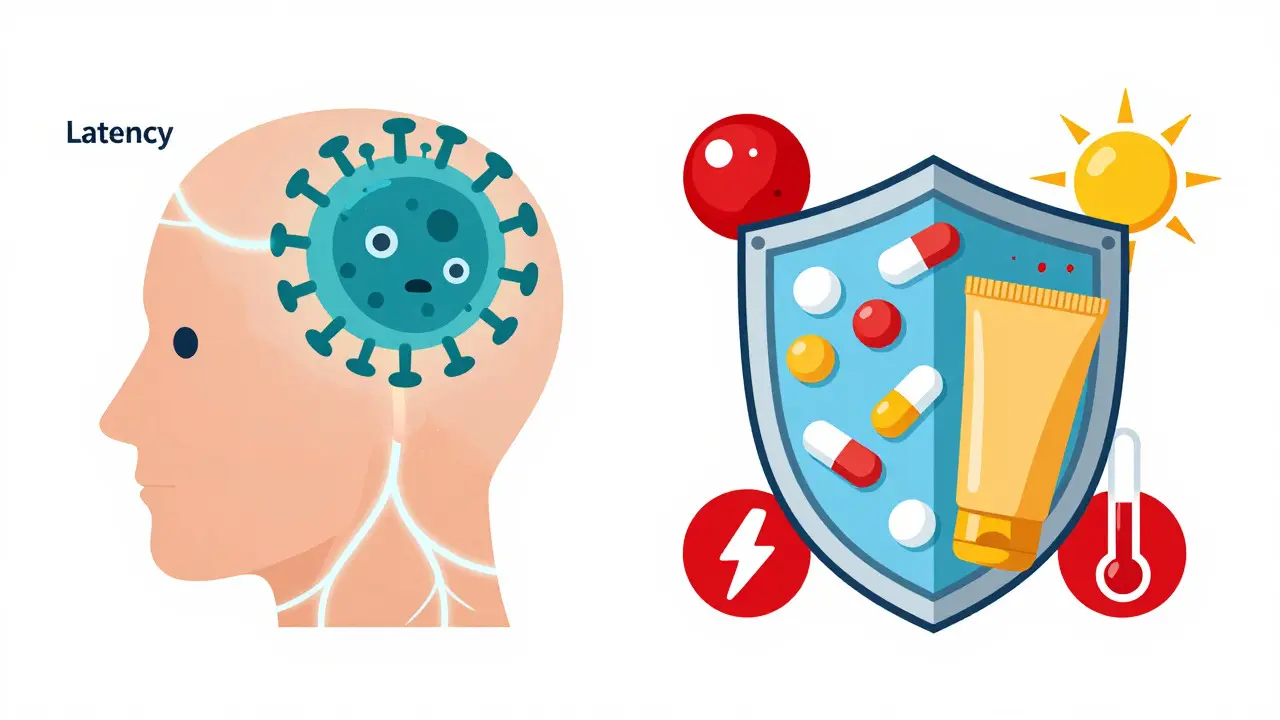
To stop Herpes Simplex Virus is a common virus that causes recurrent skin infections, primarily classified as HSV-1 (oral) and HSV-2 (genital), you first need to understand why it returns. After your initial infection, the virus doesn’t leave your body. Instead, it travels up nerve fibers and hides in sensory ganglia-clusters of nerve cells near your spine or brainstem. This state is called latency.
The virus stays dormant until something wakes it up. These "triggers" vary from person to person, but the most common ones include:
- Stress: Both physical and emotional stress weaken the immune system’s ability to keep the virus in check. Studies show nearly 70% of people identify stress as their primary trigger.
- Sunlight (UV Exposure): Ultraviolet light damages skin cells around the mouth, signaling the virus to reactivate. This is why cold sores often appear after a day at the beach.
- Illness: A cold, flu, or fever lowers your immune defenses, giving HSV a chance to replicate.
- Hormonal Changes: Many women experience outbreaks linked to their menstrual cycle due to fluctuating hormone levels.
- Skin Trauma: Dental work, cosmetic procedures like laser resurfacing, or even harsh skincare products can irritate the area and trigger a flare-up.
Identifying your personal triggers is the first step toward prevention. Keep a simple log for a few months: note when an outbreak happens and what happened in the days leading up to it. Patterns will emerge, allowing you to take preemptive action.
Daily Suppressive Therapy: The Gold Standard for Prevention
If you experience frequent outbreaks-six or more per year-daily antiviral medication, known as suppressive therapy, is the most effective way to reduce recurrence frequency by 70-80%. This approach isn’t just about comfort; it also significantly reduces viral shedding, lowering the risk of transmitting the virus to partners.
There are three main antiviral medications used for this purpose:
| Medication | Typical Daily Dose | Key Advantage | Considerations |
|---|---|---|---|
| Acyclovir (Zovirax) | 400 mg twice daily | Inexpensive generic option | Lower bioavailability (10-20%); requires more frequent dosing |
| Valacyclovir (Valtrex) | 500 mg once or twice daily | High bioavailability (55%); convenient once-daily option for some | Higher cost without insurance; potential renal issues if dehydrated |
| Famciclovir (Famvir) | 250 mg twice daily | Good alternative if others cause side effects | Less commonly prescribed for suppression compared to valacyclovir |
Valacyclovir is often preferred because it converts efficiently into acyclovir in the body, allowing for less frequent dosing. For example, taking 500mg once a day can be enough for many patients with moderate outbreaks. However, cost matters. Without insurance, valacyclovir can average $370/month in the US. If budget is a concern, discuss generic acyclovir with your doctor-it’s cheaper and still highly effective, though you may need to take it twice daily.
Who should consider suppressive therapy?
- People with six or more outbreaks annually.
- Individuals in serodiscordant relationships (one partner has HSV, the other doesn’t) to reduce transmission risk.
- Those whose outbreaks cause significant pain, scarring, or emotional distress.
Note: Suppressive therapy does not eliminate the virus. It keeps it quiet. Stopping the medication usually results in a return to baseline outbreak frequency.
Episodic Therapy: Treating Outbreaks Early
If you only get one or two outbreaks a year, daily medication might feel like overkill. In these cases, episodic therapy is the better choice. The key here is speed. You must start treatment at the very first sign of trouble-the prodrome stage.
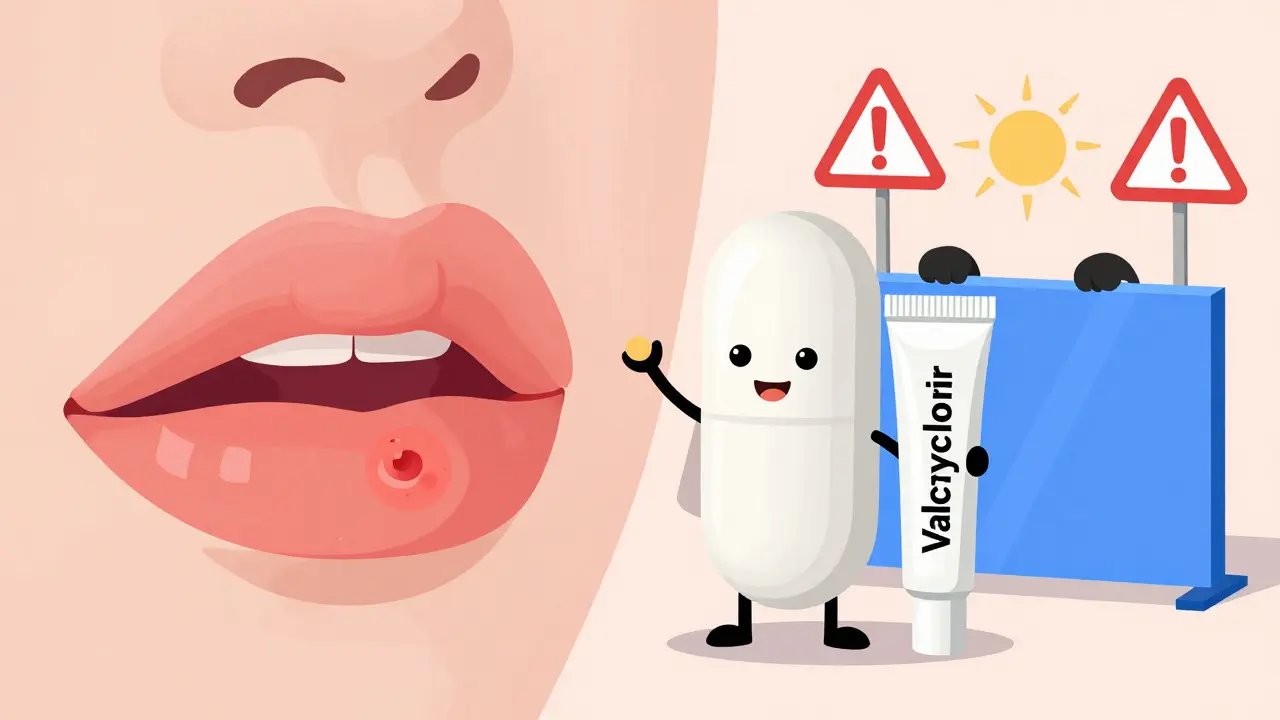
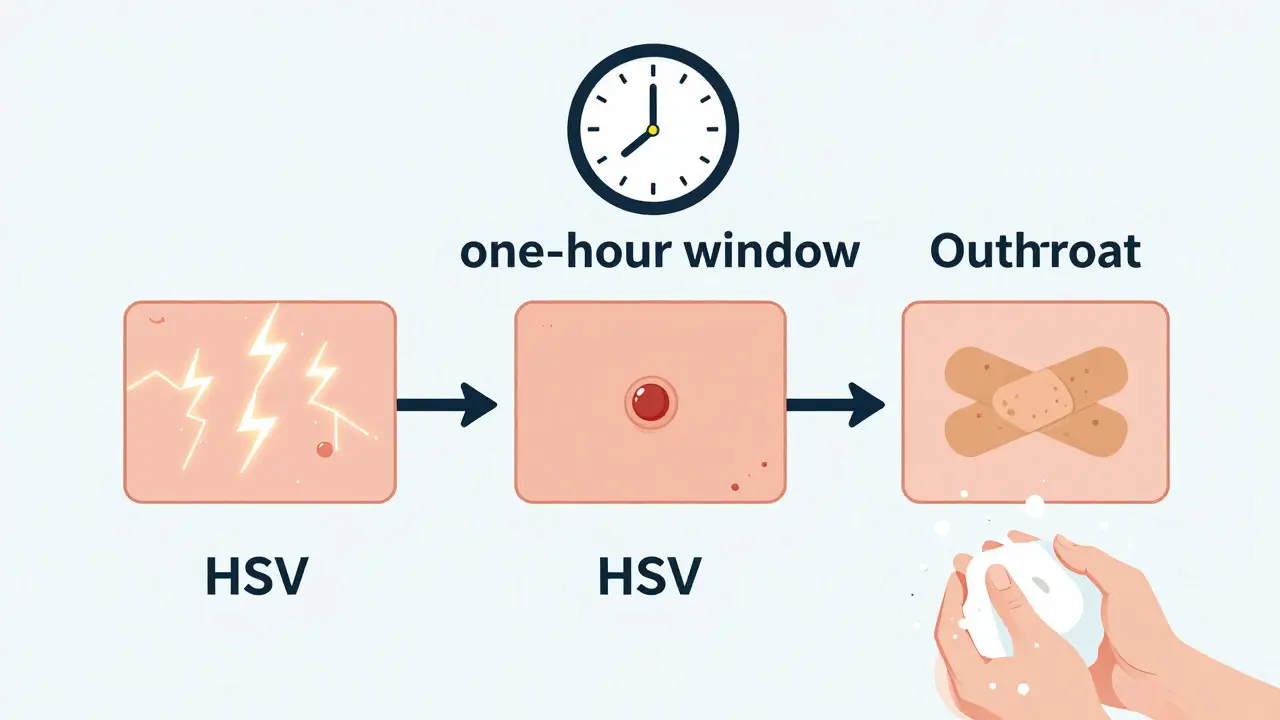
Prodrome symptoms include tingling, itching, burning, or redness at the site where the blister will form. This window is critical. Starting antivirals within one hour of feeling these sensations can shorten healing time from 5.2 days to just 4.3 days. Once the blister appears, the virus has already replicated extensively, and medication becomes much less effective.
Common episodic regimens include:
- Valacyclovir: 2 grams twice daily for one day.
- Acyclovir: 400 mg three times daily for five days.
- Famciclovir: 1 gram twice daily for one day.
Keep a spare prescription on hand. When you feel that familiar tingle, take the dose immediately. Don’t wait to see if a blister forms. By then, you’ve missed the best opportunity to limit damage.
Managing Triggers and Lifestyle Adjustments
Medication works best when combined with trigger management. Here are practical, evidence-backed steps to reduce flare-ups:
Protect Your Skin from Sun
If you get cold sores on your lips, UV exposure is likely a major culprit. Use a lip balm with SPF 30 or higher every day, even in winter. Reapply after eating or swimming. One survey found that 76% of HSV-positive individuals saw fewer outbreaks with consistent sun protection.
Manage Stress Effectively
Chronic stress keeps cortisol levels high, which suppresses immune function. Incorporate daily stress-reduction techniques such as meditation, deep breathing exercises, or regular physical activity. Even a 15-minute walk can lower stress hormones enough to make a difference.
Maintain Good Skin Hygiene
During an outbreak, avoid touching the lesion. If you do, wash your hands immediately to prevent autoinoculation-spreading the virus to other parts of your body, like your eyes or fingers. Keep the area clean and dry. Avoid sharing towels, razors, or utensils while lesions are present.
Consider Supplements with Caution
Some people report benefits from zinc supplementation (15-30 mg daily) or lysine, though scientific evidence is mixed. Always consult your doctor before starting supplements, especially if you’re on other medications. Zinc can interfere with antibiotic absorption and copper levels if taken long-term.
Caring for Active Outbreaks
When an outbreak hits, focus on comfort and preventing secondary infection. Here’s how to care for the affected skin:
- Keep it Clean: Gently wash the area with mild soap and water. Pat dry-don’t rub.
- Apply Topical Treatments: Over-the-counter creams containing docosanol (Abreva) can shorten healing time slightly if applied at the first sign of tingling. Prescription topical antivirals are generally less effective than oral meds but may help with surface symptoms.
- Reduce Pain: Cold compresses can numb the area and reduce swelling. Take over-the-counter pain relievers like ibuprofen or acetaminophen if needed.
- Avoid Irritants: Skip spicy foods, acidic juices (like orange juice), or harsh skincare products near the lesion. These can sting and delay healing.
- Prevent Scarring: Don’t pick at crusts. Let them fall off naturally. Picking increases the risk of bacterial infection and scarring.
If you notice signs of bacterial infection-increased redness, warmth, pus, or fever-see a doctor promptly. Secondary bacterial infections require antibiotics.
Special Situations: Cosmetic Procedures and Dental Work
If you’re planning laser resurfacing, chemical peels, or dental surgery, tell your provider about your HSV history. These procedures can trigger severe outbreaks if not managed properly.
Standard protocol involves prophylactic antivirals starting 1-2 days before the procedure and continuing for 5-14 days afterward. For example, valacyclovir 500mg twice daily starting the day before laser treatment has shown 100% efficacy in preventing reactivation in clinical trials. Never assume your provider will remember to ask-bring it up yourself.
Reducing Transmission Risk
Even without visible sores, HSV can shed asymptomatically. To protect partners:
- Use condoms consistently, though they don’t cover all potentially infectious areas.
- Avoid sexual contact during prodrome or active outbreaks.
- Consider daily suppressive therapy if you have a seronegative partner. Studies show it reduces transmission risk by about 48%.
- Be honest with partners about your status. Open communication reduces anxiety and promotes safer practices.

When to See a Doctor
Contact a healthcare provider if:
- You’ve never been diagnosed but suspect you have HSV.
- Outbreaks last longer than two weeks or are unusually severe.
- You experience eye pain or vision changes (herpes keratitis can threaten sight).
- You’re pregnant or planning pregnancy (neonatal herpes is rare but serious).
- Over-the-counter treatments aren’t working.
A confirmed diagnosis allows for tailored treatment plans and peace of mind. Blood tests can determine if you have HSV-1, HSV-2, or both, which helps predict recurrence patterns.
Looking Ahead: New Developments
Research continues to evolve. Recent phase III trials for HSV vaccines showed modest reductions in viral shedding but haven’t yet met endpoints for preventing outbreaks entirely. Meanwhile, new antivirals like pritelivir offer hope for drug-resistant cases, particularly in immunocompromised patients. Long-acting injectable antivirals are in development, promising quarterly doses instead of daily pills.
While a cure remains elusive, current tools are powerful. With proper management, most people with HSV live normal, healthy lives with minimal disruption. The goal isn’t perfection-it’s control.
Can herpes simplex go away permanently?
No, currently there is no cure for HSV. Once infected, the virus remains in your nerve cells for life. However, with proper treatment and trigger management, outbreaks can become rare or stop altogether for many people.
Is suppressive therapy safe for long-term use?
Yes, for most people. Antivirals like valacyclovir and acyclovir have been used safely for decades. Rare side effects include headache, nausea, or kidney issues if dehydrated. Regular check-ups with your doctor ensure ongoing safety.
How soon should I start antiviral medication after feeling a tingle?
Within one hour of noticing prodrome symptoms (tingling, itching, burning). Starting early maximizes effectiveness by stopping viral replication before blisters form.
Does sunlight really cause cold sores?
Yes, UV radiation is a well-documented trigger for labial herpes (cold sores). Using SPF 30+ lip balm daily can significantly reduce outbreak frequency in susceptible individuals.
Can I get herpes from a toilet seat or shared utensils?
It’s extremely unlikely. HSV dies quickly outside the body. Transmission typically requires direct skin-to-skin contact with an active lesion or infected saliva. Sharing towels or razors during an outbreak poses a slight risk, but casual contact does not.
What should I do if I’m getting outbreaks despite taking medication?
Consult your doctor. They may adjust your dosage, switch medications, or investigate underlying immune issues. Sometimes, stress or hormonal factors override medication, requiring additional lifestyle interventions.
Are home remedies like lemon balm or tea tree oil effective?
Evidence is limited. Some studies suggest lemon balm extract may reduce healing time slightly, but results vary. Tea tree oil can irritate sensitive skin. Always patch-test and prioritize proven antiviral treatments for best results.
How does herpes affect pregnancy?
If you acquire HSV for the first time late in pregnancy, the risk of passing it to the baby is higher. Doctors often prescribe suppressive therapy starting at 36 weeks and may recommend C-section if active lesions are present at delivery. Discuss your history with your OB-GYN early.