
Essential Tremor and Beta-Blockers: A Practical Guide to Propranolol Therapy
 Aug, 14 2026
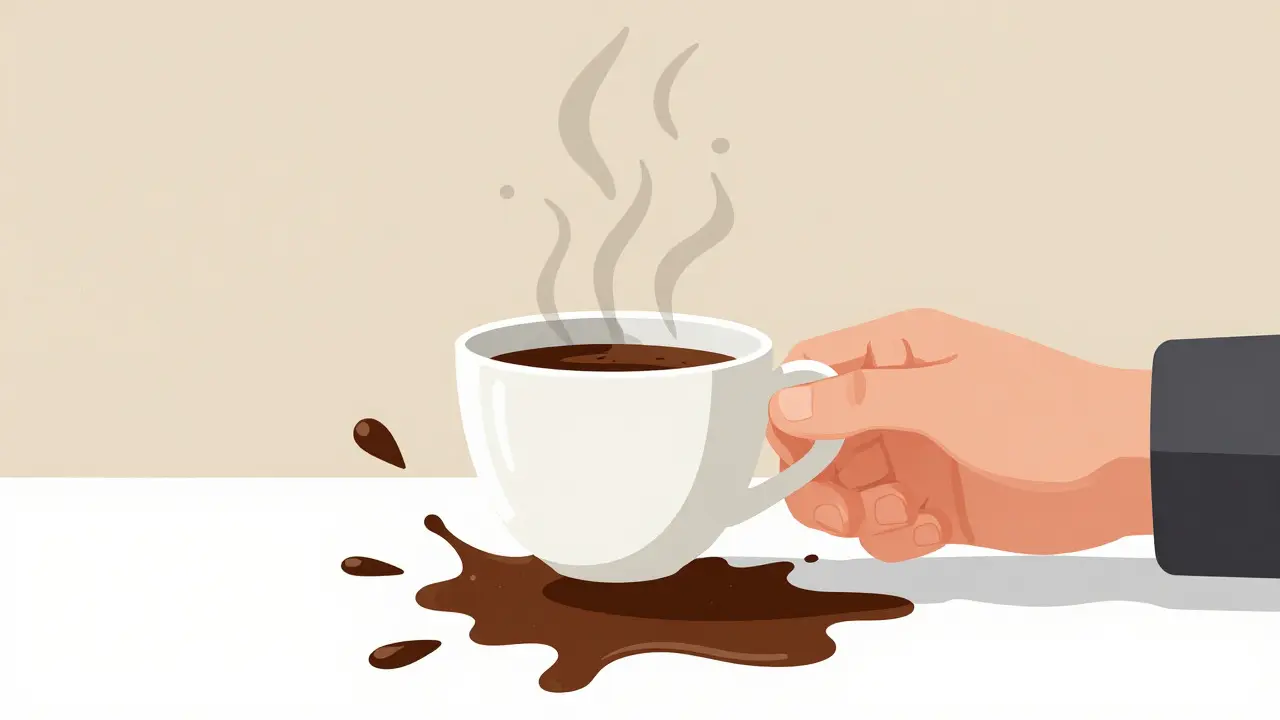
Imagine reaching for a coffee cup, your hand steady as you lift it. Then, just as it touches your lips, a rhythmic shaking takes over. Coffee spills. You try again. It happens again. This isn’t just clumsiness; it’s likely Essential Tremor, a neurological condition that affects up to 70 million people worldwide. Unlike the resting tremor of Parkinson’s disease, this shaking happens when you move. It can strike your hands, head, voice, or even legs. For many, it’s a daily battle with simple tasks like writing, eating, or shaving.
The good news? There is effective treatment. For decades, beta-blockers, specifically propranolol, have been the gold standard for managing these symptoms. But how do they work? Are they safe for everyone? And what if they don’t work for you? Let’s break down the science, the side effects, and the real-world experience of living with essential tremor and treating it with medication.
What Is Essential Tremor?
First described in medical literature by Robert Bentley Todd in 1842, essential tremor (ET) is the most common movement disorder. It’s not life-threatening, but it can be life-disrupting. The International Essential Tremor Foundation estimates that 10 million Americans live with ET. The risk increases sharply with age. While only 0.4% of people aged 40-49 are affected, that number jumps to 14.2% for those over 90, according to a 2019 study in Neurology.
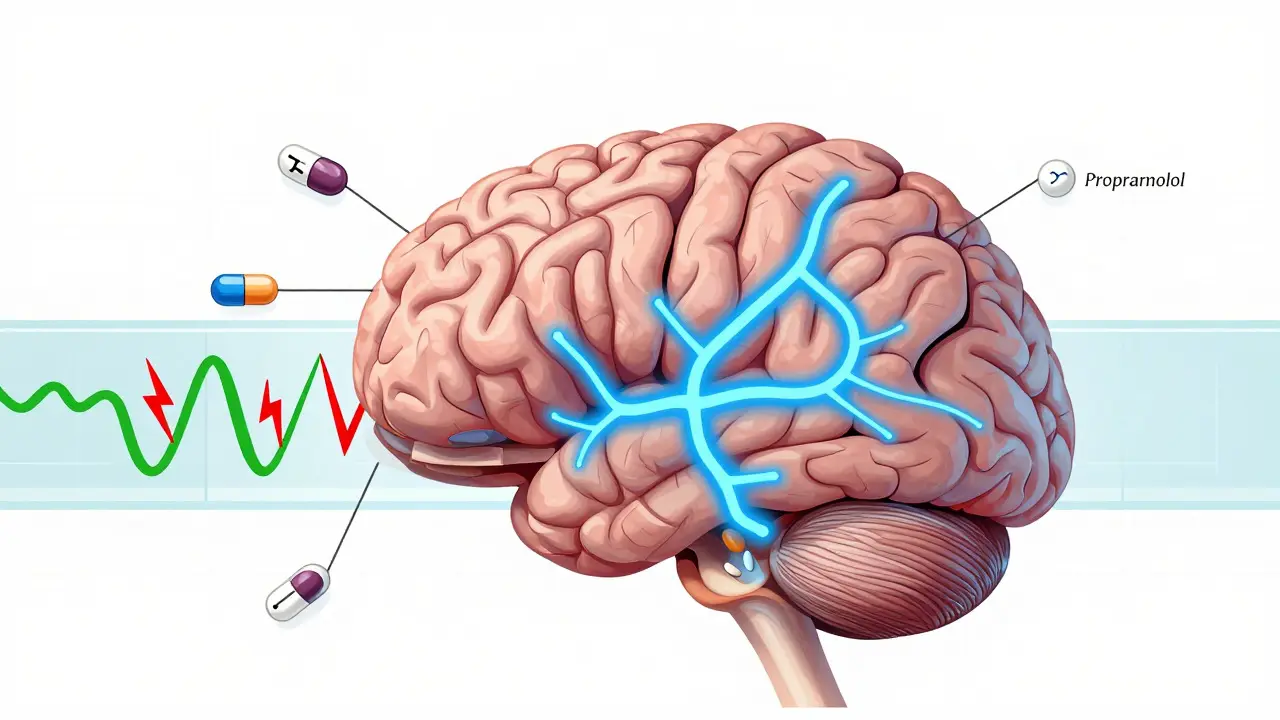
You might wonder, “Is this just nervousness?” Not exactly. ET involves dysfunction in the cerebellar-thalamo-cortical circuit, essentially a miscommunication between parts of your brain that control movement. Post-mortem studies show a loss of GABAergic neurons in the cerebellum. This isn’t about stress; it’s about biology. About 50-70% of cases have a genetic link, meaning if a parent has it, you’re more likely to develop it too. Typically, symptoms appear in two peaks: once in young adulthood (ages 10-20) and again in middle age (50-60).
Why Beta-Blockers Work for Tremors
In 1960, doctors noticed something strange. Patients taking propranolol for high blood pressure reported their hands stopped shaking. By 1967, the FDA approved propranolol for hypertension, and neurologists quickly adopted it off-label for tremors. Today, it remains the first-line therapy recommended in 90% of clinical guidelines.
But why does a heart medication help your hands? The mechanism isn’t fully understood. Early theories suggested it blocked peripheral beta-2 adrenergic receptors, reducing adrenaline’s effect on muscles. However, a pivotal 1981 NIH double-blind study showed that metoprolol, which doesn’t easily cross into the brain, reduced tremor magnitude by 47%, while propranolol achieved a 55% reduction. This suggests the benefit comes largely from central action in the brain, not just the body. Propranolol crosses the blood-brain barrier, calming the neural circuits causing the shake.
Dosing and What to Expect
Starting beta-blocker therapy isn’t like popping a painkiller. It requires patience and precision. Neurologists typically start low and go slow. Here’s what a typical titration looks like:
- Starting Dose: 10-20 mg of propranolol twice daily.
- Titration: Increase by 20-40 mg weekly as tolerated.
- Target Range: 60-320 mg daily in divided doses.
- Therapeutic Levels: Blood levels between 30-100 ng/mL are considered optimal.
Most patients see results within 4-8 weeks. According to Practical Neurology (2023), propranolol achieves 50-60% tremor reduction in about half of all patients. That means if your tremor was severe, it might become mild. If it was mild, it might disappear entirely. One violinist in a 2022 case study saw his International Tremor Rating Scale score drop from 18 to 6 on 160 mg daily, allowing him to return to performing.
However, 25-55% of patients don’t respond well enough. Dr. Rodger Elble of Stony Brook University calls this non-response rate “our greatest therapeutic challenge.” If propranolol fails, doctors often switch to primidone, the only other drug with formal FDA indication for ET, though it carries higher risks of cognitive side effects.
Safety Profile: Who Should Avoid Beta-Blockers?
Beta-blockers are powerful tools, but they aren’t for everyone. Because they slow the heart and lower blood pressure, certain conditions make them dangerous. Always discuss your full medical history with your doctor before starting.
| Condition/Risk | Severity | Details |
|---|---|---|
| Asthma | Absolute Contraindication | Risk of bronchospasm is 32%. Can trigger severe breathing difficulties. |
| Severe Bradycardia | Absolute Contraindication | Resting heart rate below 50 bpm may worsen significantly. |
| Decompensated Heart Failure | Absolute Contraindication | Can reduce cardiac output further, worsening failure. |
| Falls Risk (Elderly) | High Caution | Doses >120 mg/day increase fall risk 3.2-fold in older adults. |
| Abrupt Discontinuation | Black Box Warning | Stopping suddenly can cause rebound hypertension or myocardial infarction. |
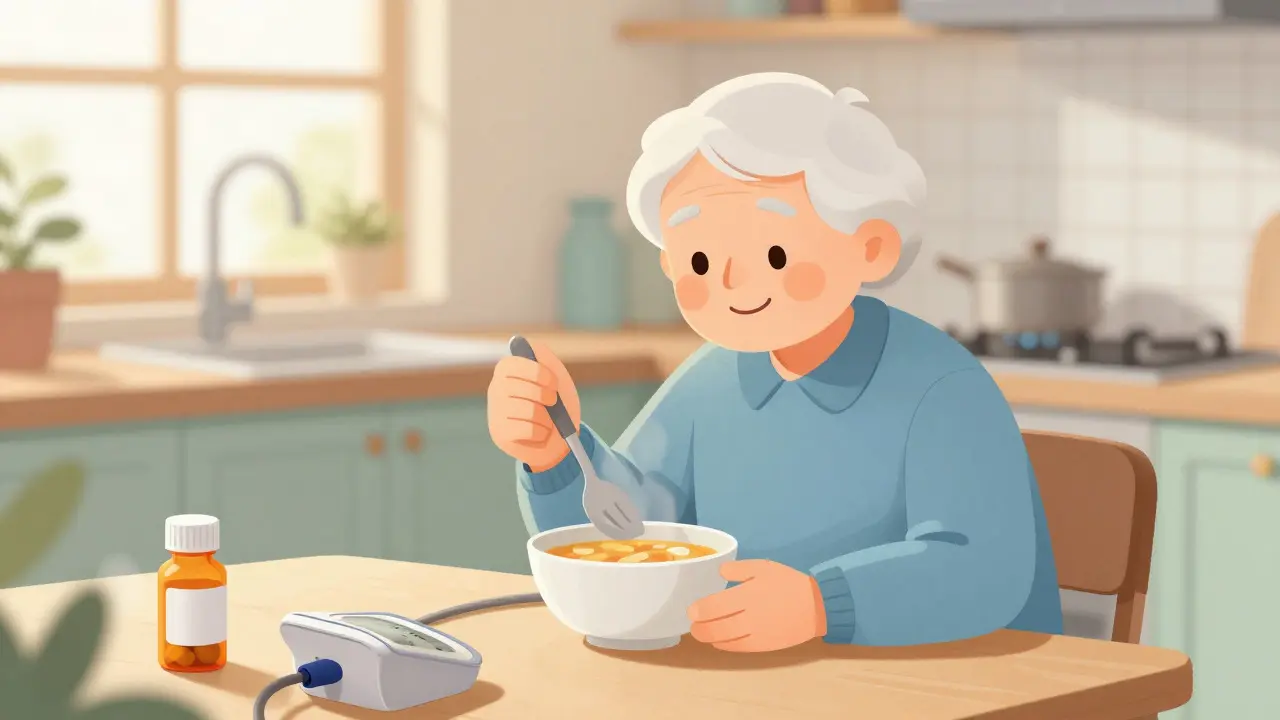
If you have asthma, avoid non-selective beta-blockers like propranolol entirely. Selective options like metoprolol or atenolol might be safer, but caution is still needed. For elderly patients, orthostatic hypotension (a drop in blood pressure upon standing) is a major concern. On AgingCare.com, 68% of seniors reported dizziness or falls on beta-blockers. Monitoring your blood pressure at home during titration is crucial. Target systolic BP should stay above 100 mmHg, and heart rate above 50 bpm.
Side Effects: Managing the Trade-Offs
No medication is free of side effects. With propranolol, fatigue, dizziness, and cold hands are common. In a 2023 analysis of 1,247 patients on PatientsLikeMe, 41% discontinued propranolol due to side effects. Fatigue was the top complaint (32%), followed by dizziness (28%) and bradycardia (19%).
How can you manage these? Here are practical tips from neurologists and patient communities:
- Switch to Extended-Release: Extended-release propranolol maintains steadier blood levels, reducing peak-dose dizziness by 35% compared to immediate-release versions.
- Evening Dosing: Taking a larger portion of your dose at night can improve sleep quality and mask daytime fatigue. Cleveland Clinic data shows 62% of patients prefer this schedule.
- Combine Therapies: Adding a low dose of primidone can allow you to reduce your propranolol dose by 40%, minimizing side effects while maintaining tremor control.
- Hydrate and Move Slowly: To combat orthostatic hypotension, stand up slowly and stay well-hydrated.
One user on Reddit’s r/tremor shared, “120 mg propranolol XR lets me hold a coffee cup without spilling. I couldn’t do that before.” But another warned, “Tried 240 mg propranolol but crashed to 45 bpm resting. Had to switch.” Your mileage will vary. Close monitoring with your doctor is key.
Alternatives When Beta-Blockers Fail
If propranolol doesn’t work or causes intolerable side effects, you’re not out of options. The American Academy of Neurology assigns Level B evidence (probably efficacious) to several alternatives:
- Topiramate: An anticonvulsant that reduces tremor by 33-50% at doses of 215-333 mg daily. However, 30-40% of patients stop due to cognitive side effects like word-finding difficulty and memory issues. Dr. Donald Grosset warns this is especially problematic in older adults.
- Gabapentin: Results are mixed. One trial showed it was comparable to propranolol (45% vs 49% reduction), but another found minimal benefit over placebo. It’s often tried when other options fail.
- Atenolol: A selective beta-blocker that shows non-inferiority to propranolol (44% vs 42% reduction). It may be better tolerated in some patients but has limited data for the elderly.
- Botulinum Toxin: Highly effective for voice tremors (50-70% improvement) but causes hand weakness in 65% of patients when injected into limbs. Best reserved for specific focal tremors.
For severe, medication-resistant cases, surgical options exist. Deep Brain Stimulation (DBS) offers 70-90% tremor reduction but carries a 2-5% risk of serious complications like bleeding or infection. Recently, Focused Ultrasound Thalamotomy received FDA approval in 2023, offering a non-invasive alternative with 47% improvement at 3 months. These are major decisions requiring consultation with a movement disorder specialist.
Living with Essential Tremor: Beyond Medication
Medication is only part of the picture. Lifestyle adjustments can significantly improve your quality of life. Weighted utensils, adaptive cups with lids, and voice amplifiers can help bypass the physical limitations of tremor. Regular aerobic exercise has also shown promise. A 2024 University of California trial found that combining propranolol with aerobic exercise increased tremor reduction from 45% to 68% compared to medication alone.
Don’t underestimate the power of community. The International Essential Tremor Foundation provides a nurse hotline that answered 92% of calls within two rings in 2022. Connecting with others who understand the frustration of spilled coffee or shaky signatures can reduce isolation and anxiety, which often worsen tremors.
Future Directions in ET Treatment
Research is accelerating. While current treatments manage symptoms, they don’t stop progression. Dr. Mark Hallett of NINDS notes this represents a “fundamental therapeutic gap.” New avenues include gene therapies like NBIb-1817, which showed 35% improvement in 62% of patients in Phase 3 trials. Genetic testing is now recommended for familial cases, helping identify carriers early. The goal for the next decade is disease-modifying therapies that target cerebellar degeneration directly.
Until then, beta-blockers remain the cornerstone of care. They are affordable, widely available, and proven. Generic propranolol costs around $4 per month, making it accessible to most. With careful titration, monitoring, and lifestyle support, many people with essential tremor regain control over their daily lives.
How long does it take for propranolol to work for essential tremor?
It typically takes 4 to 8 weeks of consistent dosing to see significant improvement. Doctors start with a low dose and gradually increase it to find the optimal level for your body. Don’t expect immediate results; patience is key during the titration phase.
Can I drink alcohol while taking propranolol for tremors?
Alcohol can enhance the sedative effects of propranolol and may temporarily worsen tremors in some people. It also lowers blood pressure further, increasing the risk of dizziness. Moderation is advised, and you should monitor how your body reacts. Always consult your doctor for personalized advice.
Is propranolol safe for elderly patients?
Propranolol can be used in the elderly but requires extra caution. Older adults are more sensitive to its effects, particularly regarding blood pressure and heart rate. Studies show a 3.2-fold increased risk of falls at doses above 120 mg/day. Start with lower doses, monitor closely, and consider extended-release formulations to minimize side effects.
What is the difference between propranolol and primidone for tremor?
Both are first-line treatments. Propranolol is a beta-blocker originally for heart conditions, while primidone is an anticonvulsant. Primidone has formal FDA approval for ET, whereas propranolol is used off-label despite being more commonly prescribed. Primidone often causes more cognitive side effects like drowsiness and confusion, leading to higher discontinuation rates (38% vs 22% for propranolol).
Does essential tremor get worse over time?
Yes, essential tremor is generally progressive. Symptoms tend to worsen slowly over years or decades. Stress, fatigue, caffeine, and certain medications can temporarily exacerbate it. While current treatments like beta-blockers manage symptoms effectively, they do not halt the underlying neurological progression. Research into disease-modifying therapies is ongoing.