
Early Warning Signs of Dangerous Medication Side Effects: What to Watch For
 Dec, 6 2025
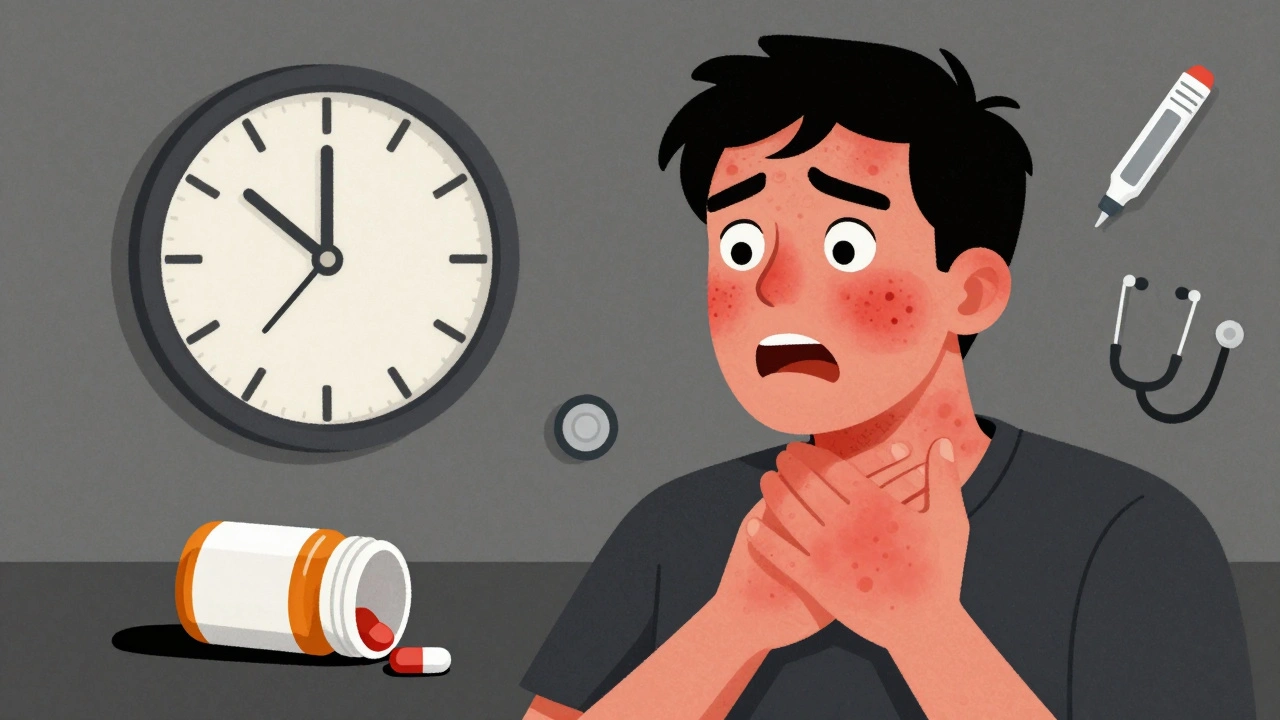
Medications save lives. But they can also hurt you - sometimes without warning. You take your pill like always, and then, in a matter of minutes or hours, something feels terribly wrong. Your throat tightens. Your skin breaks out in hives. Your chest pounds like a drum. You can’t breathe. This isn’t a panic attack. It’s a dangerous reaction, and it’s more common than most people realize.
In the U.S. alone, over 1.3 million emergency room visits each year are caused by bad reactions to medicines. About 128,000 people die from them. These aren’t rare accidents. They’re preventable - if you know what to look for. The key isn’t waiting for the worst to happen. It’s spotting the early red flags before it’s too late.
What Makes a Side Effect Dangerous?
Not all side effects are equal. A dry mouth, drowsiness, or mild stomach upset? Those are common. They’re annoying, but usually harmless. The FDA says about 35% of people experience these mild reactions. But dangerous side effects? They’re rare - only about 0.1% of medication courses - but they cause nearly 7% of all hospital admissions.
A dangerous side effect isn’t just uncomfortable. It’s life-threatening. The FDA defines it as any reaction that causes death, hospitalization, permanent damage, birth defects, or a life-threatening condition. That means your body isn’t just reacting - it’s breaking down. And it can happen fast.
Some reactions show up within minutes. Others creep in over days. The trick is knowing which symptoms demand immediate action - and which ones can wait for a doctor’s appointment.
Red Flags That Need Emergency Care
Here’s what you need to watch for - the signs that mean call 911 right now:
- Difficulty breathing or wheezing - Like your airway is closing. This isn’t just a cold. It’s your body fighting a severe allergic reaction.
- Swelling of the face, lips, tongue, or throat - Especially if it comes on suddenly. This is a classic sign of anaphylaxis, a deadly allergic response.
- Hives or rash spreading quickly - Not just a little itch. A red, raised, itchy rash that spreads over your chest, arms, or neck within hours.
- Chest pain or pressure - Especially if it’s new, sharp, or feels like someone’s squeezing your heart. This could mean a heart attack or dangerous heart rhythm.
- Heart beating too fast (over 120 bpm) - Your pulse feels like it’s racing out of control. Combine that with dizziness or fainting, and it’s an emergency.
- Seizures or convulsions - Any uncontrolled shaking, loss of awareness, or strange movements after taking a new drug.
- Severe vomiting or blood in vomit or stool - This isn’t food poisoning. It could be internal bleeding or organ damage.
- Loss of consciousness or extreme confusion - If you can’t wake up, or don’t recognize your own family, stop everything. Call for help.
These symptoms don’t wait. They don’t get better on their own. Anaphylaxis - the most dangerous allergic reaction - can kill in under 30 minutes if untreated. The Mayo Clinic says if you have trouble breathing and skin changes like hives after taking a new medication, treat it like anaphylaxis until proven otherwise. That means using an epinephrine auto-injector if you have one, and calling 911 immediately.
Less Obvious, But Just as Dangerous
Some deadly reactions don’t scream for attention. They whisper. And that’s when they’re most dangerous.
- Yellow skin or eyes (jaundice) - This isn’t just a sunburn. It’s your liver failing. Medications like semaglutide (Ozempic, Wegovy) or methotrexate can cause liver or pancreas damage. If you also have severe stomach pain, go to the ER. This can turn fatal in under 48 hours.
- Unusual bleeding or bruising - You didn’t bump into anything, but your skin is covered in purple spots. Your gums bleed when you brush your teeth. This could mean your blood isn’t clotting. Drugs like blood thinners, some antibiotics, or even high-dose NSAIDs can trigger this.
- Decreased urine output or swelling in legs - Your kidneys are shutting down. You’re not peeing like you used to. Your ankles are puffy. You feel tired all the time. This is a sign of kidney failure from drugs like NSAIDs, certain antibiotics, or diabetes meds.
- High fever with rash and swollen lymph nodes - This could be DRESS syndrome - a rare but deadly reaction that attacks your skin, liver, and blood. It often shows up 2-6 weeks after starting a new drug.
- Extreme drowsiness or inability to wake up - Especially with opioids, benzodiazepines, or sleep aids. If you’re sleeping more than the label says, or can’t be roused, it’s central nervous system depression. This can stop your breathing.
These symptoms are easy to ignore. “I’m just tired.” “My legs are swollen from sitting too long.” “I ate something bad.” But if these symptoms started after you began a new medication - even if it was weeks ago - don’t brush them off.
Who’s at Highest Risk?
Anyone can have a bad reaction. But some people are more vulnerable.
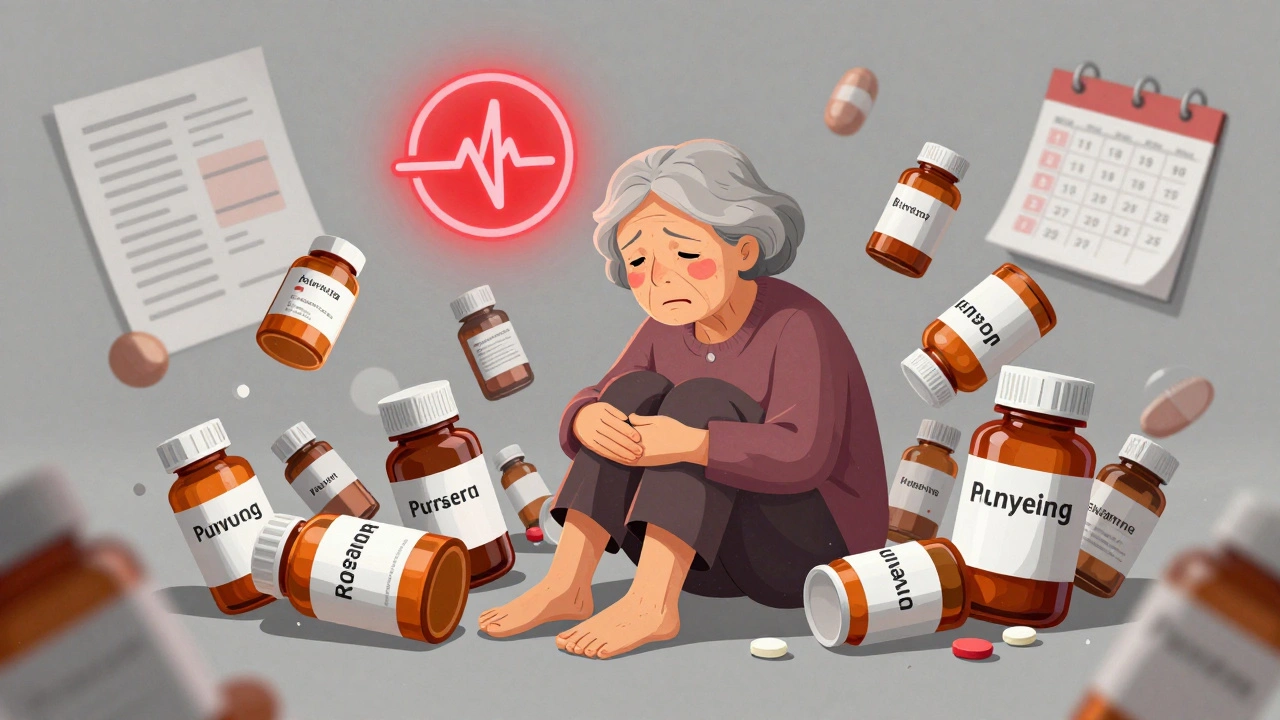
Older adults - especially those over 65 - are 2.7 times more likely to have dangerous side effects. Why? Their bodies process drugs slower. Their kidneys and liver don’t work as well. And many take five or more medications at once. That’s called polypharmacy. It increases the risk of dangerous interactions by 300%.
People with existing liver or kidney disease are also at higher risk. So are those with a history of allergies - especially to antibiotics, NSAIDs, or sulfa drugs.
And then there’s the silent killer: look-alike, sound-alike drugs. Insulin and heparin are two of the most commonly confused high-alert medications. A mix-up can lead to overdose, coma, or death. That’s why pharmacists now use tall-man lettering (like HYDROmorphone vs. HYDROxyzine) and barcode scanning to prevent errors.
What to Do When You Notice Warning Signs
Here’s your action plan - simple, clear, no guesswork.
- Stop the medication - But only if you’re safe to do so. Don’t quit cold turkey if it’s a blood pressure pill, antidepressant, or seizure medicine. That can cause withdrawal that’s just as dangerous.
- Call 911 - If you have any of the emergency signs listed above. Don’t wait. Don’t text your doctor. Don’t Google it. Call 911.
- Use epinephrine if you have it - If you’ve been prescribed an EpiPen for allergies, use it immediately. Even if you’re not sure. Better to use it and be fine than not use it and die.
- Bring all your meds to the hospital - Include pills, vitamins, supplements, and over-the-counter drugs. Write down when you took each one. This helps doctors spot the culprit fast.
- Don’t restart the drug - Even if you think you’re fine. Re-exposure can make the reaction worse - even fatal.
For less urgent but still serious symptoms - like unusual bruising, mild jaundice, or persistent nausea - call your doctor within 24 hours. Don’t wait a week. Don’t wait until your next appointment. That’s the window where damage can become permanent.
How to Protect Yourself Before You Start a New Drug
Prevention beats emergency care every time.
- Do a “Brown Bag” check - Once a week, dump all your pills, vitamins, and supplements into a bag. Take them to your doctor or pharmacist. They’ll check for dangerous interactions. This is especially critical if you’re on five or more meds.
- Ask about genetic testing - New programs like the NIH’s Pharmacogenomics Research Network can test your DNA to see how you’ll react to certain drugs. For example, if you’re prescribed carbamazepine (for seizures), a simple blood test can tell you if you’re at risk for a deadly skin reaction. This test reduces severe reactions by nearly half.
- Know your drug’s black box warning - Every prescription comes with a label. Look for the bold, black box at the top. That’s the FDA’s strongest warning. If your drug has one, read it. Understand the risks.
- Use a pill organizer with alarms - Taking the wrong dose or the wrong pill at the wrong time is a leading cause of side effects. A simple organizer with a timer can prevent mistakes.
What’s Changing in Medication Safety
The system is getting smarter. The FDA now requires real-time monitoring of high-risk drugs using electronic health records. That means they can spot dangerous patterns faster - sometimes months before a warning is issued.
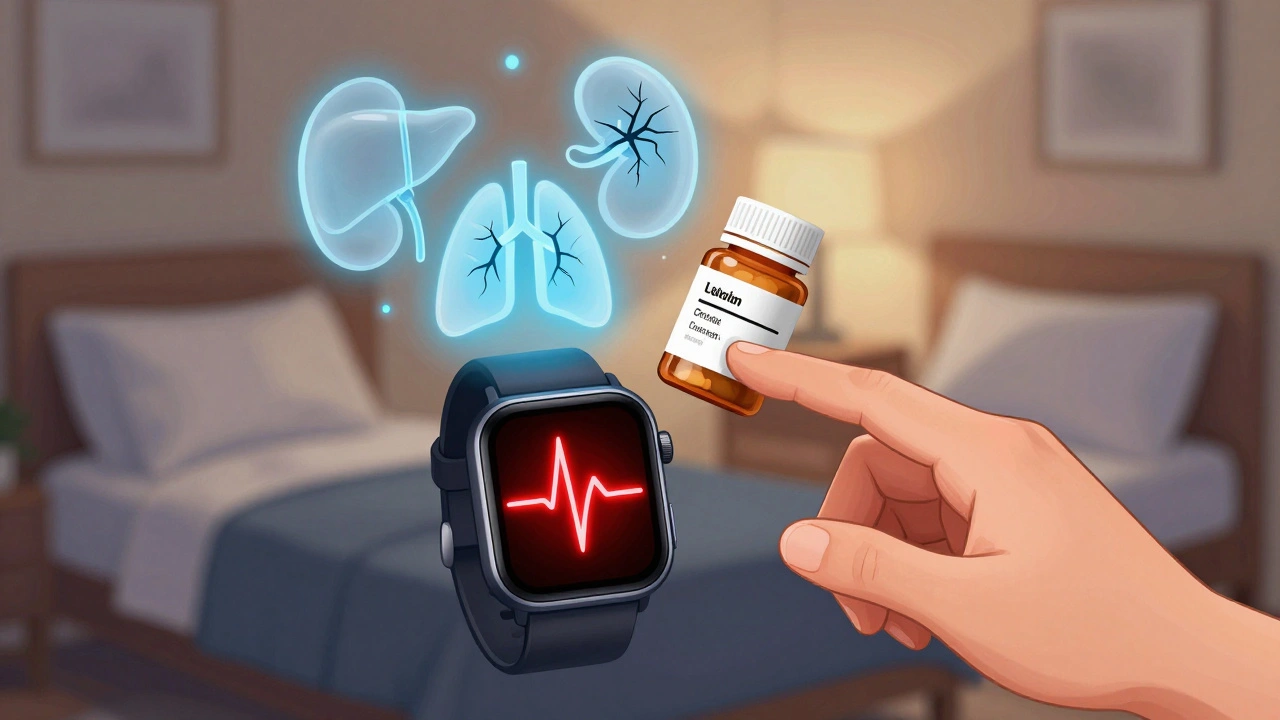
Wearable tech is catching on, too. Apple and the American Heart Association are testing smartwatches that can detect irregular heart rhythms caused by medications. If your watch picks up a dangerous arrhythmia, it can alert you before you even feel it.
And soon, “smart packaging” will be mandatory for high-risk drugs. Imagine a pill bottle that knows when you took your last dose - and sends an alert if you’re at risk for overdose or side effects. That’s coming by 2026.
But technology won’t save you if you don’t pay attention. The best tool you have is your own body. Listen to it. Trust your gut. If something feels off - it probably is.
Final Reminder: Never Stop Cold Turkey
This can’t be said enough. If you think a drug is making you sick, don’t quit it on your own. Stopping beta-blockers, antidepressants, or seizure meds suddenly can cause heart attacks, seizures, or suicidal thoughts. Talk to your doctor first. They can help you taper off safely.
Medications are powerful. They heal. But they can also harm. The difference between life and death often comes down to one thing: recognizing the warning signs early - and acting fast.
What are the most common dangerous side effects of prescription drugs?
The most frequently reported dangerous side effects include gastrointestinal bleeding (from NSAIDs or blood thinners), severe allergic reactions like anaphylaxis (especially to antibiotics or contrast dyes), and cardiac events like irregular heartbeat or chest pain (common with certain heart, thyroid, or antidepressant drugs). Liver damage and kidney failure from long-term use of certain medications are also top concerns.
How soon after taking a medication can a dangerous reaction occur?
Life-threatening reactions like anaphylaxis usually happen within minutes to an hour after taking the drug. Other serious reactions - like liver damage, DRESS syndrome, or drug-induced anemia - can take days or even weeks to show up. If you notice new symptoms after starting a new medication, even weeks later, don’t ignore them.
Can over-the-counter drugs cause dangerous side effects?
Absolutely. Many people think OTC means safe, but that’s not true. High doses of ibuprofen or naproxen can cause stomach bleeding or kidney failure. Decongestants like pseudoephedrine can spike blood pressure and trigger heart problems. Even acetaminophen (Tylenol) can cause liver damage if taken in excess or mixed with alcohol. Always read labels and check with your pharmacist.
Is it safe to take supplements with prescription medications?
Not always. St. John’s Wort can make antidepressants, birth control, or blood thinners ineffective. Garlic, ginkgo, and fish oil can increase bleeding risk when taken with warfarin or aspirin. Vitamin K can interfere with blood thinners. Always tell your doctor about every supplement you take - even if you think it’s “natural” and harmless.
What should I do if I suspect a medication error?
If you think you were given the wrong drug or wrong dose - stop taking it immediately. Call your pharmacist to verify. If you’re experiencing symptoms like dizziness, confusion, rapid heartbeat, or bleeding, go to the ER. Report the error to the FDA’s MedWatch program. You can do this online or by phone. Reporting helps prevent others from being harmed.
Can I trust drug labels to warn me about all possible side effects?
Labels list the most common and serious side effects based on clinical trials, but not every rare reaction is included. Some side effects only show up after thousands of people use the drug. That’s why it’s critical to report any unusual symptom to your doctor - even if it’s not on the label. Your report helps improve drug safety for everyone.
Next Steps: Stay Alert, Stay Informed
Medication safety isn’t just the doctor’s job. It’s yours too. Keep a list of all your drugs and supplements. Know your body’s baseline. Notice changes. Speak up. If something feels wrong - it probably is. Don’t wait for someone else to notice. You’re the first line of defense.
Jane Quitain
December 7, 2025 AT 07:22Jennifer Anderson
December 9, 2025 AT 01:02Sadie Nastor
December 10, 2025 AT 11:57Sangram Lavte
December 11, 2025 AT 15:59Oliver Damon
December 13, 2025 AT 11:24Kurt Russell
December 14, 2025 AT 03:17Stacy here
December 15, 2025 AT 01:49Desmond Khoo
December 16, 2025 AT 08:49