
Direct-to-Consumer Generic Pharmacies: How New Business Models Are Changing Medication Access
 Dec, 31 2025
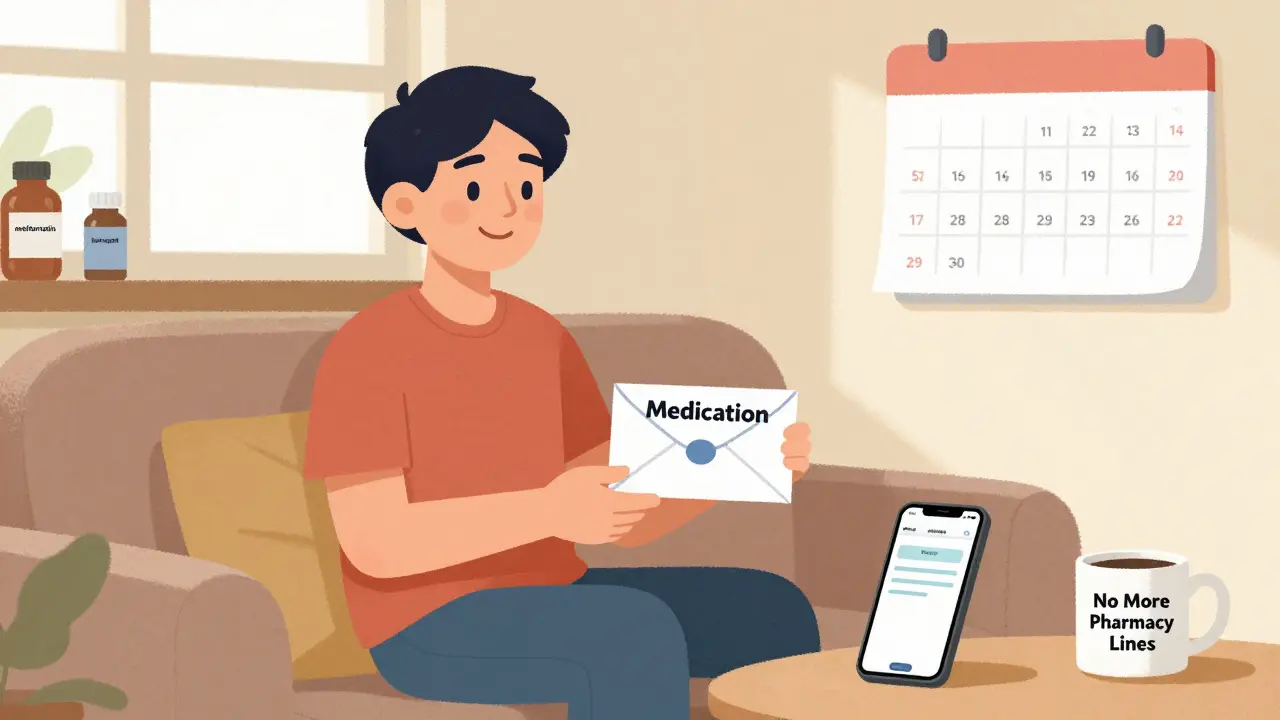
For years, getting your generic meds meant driving to a pharmacy, waiting in line, and paying whatever price the system handed you. Now, you can order your blood pressure pills, antidepressants, or birth control from your phone-delivered in plain packaging, with no middlemen, and often half the price. This isn’t science fiction. It’s happening right now, and it’s changing how millions buy medicine.
What Exactly Is a Direct-to-Consumer Generic Pharmacy?
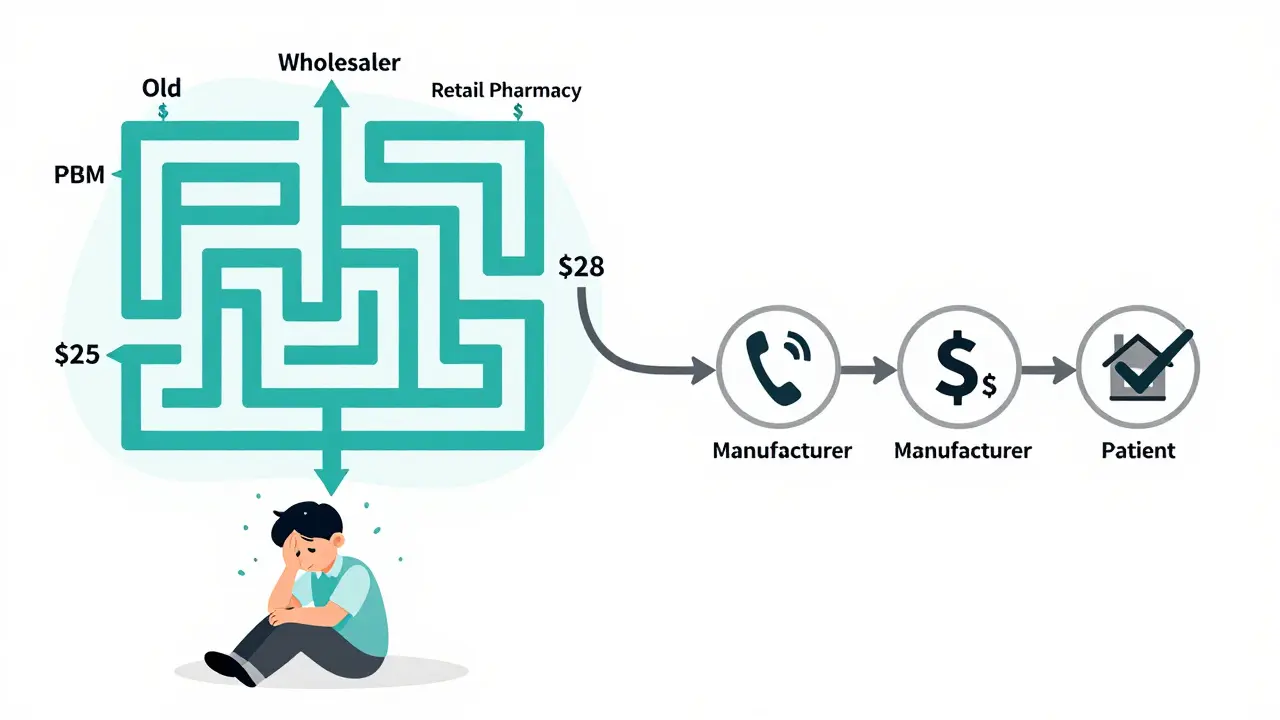
A direct-to-consumer (DTC) generic pharmacy skips the traditional chain: manufacturer → wholesaler → pharmacy benefit manager (PBM) → retail pharmacy → patient. Instead, companies like Ro, Hims & Hers, and Honeybee Health sell generic drugs straight to you. No insurance paperwork. No copay surprises. Just a simple online consultation, an e-prescription, and delivery to your door.
These aren’t just online pharmacies that happen to sell generics. They’re built from the ground up to cut out the noise. While big pharma companies like Lilly and Pfizer are launching DTC platforms for their own brand-name drugs, the real disruption for everyday patients is happening in the generic space. These platforms focus on chronic condition meds-things like metformin, lisinopril, sertraline-that millions take daily. And they’re doing it at prices that make traditional pharmacies look outdated.
Why Are These Models So Much Cheaper?
The savings come from cutting out the layers that inflate drug prices. In the old system, PBMs negotiate rebates with drugmakers, but those savings rarely reach the patient. In 2024, the three biggest PBMs made $28 billion in gross profit from this system, according to Techspert. Meanwhile, the actual net price paid to manufacturers was often less than half the list price.
DTC generic pharmacies bypass all that. They buy generics in bulk directly from manufacturers or distributors, then sell them at cost plus a small margin. No rebates. No hidden fees. No markups from multiple intermediaries. The result? Patients pay 30-50% less than they would at CVS or Walgreens. A 30-day supply of generic sertraline that costs $65 at a local pharmacy can drop to $28 online. Same pill. Same manufacturer. Just fewer people taking a cut.
How Do These Services Actually Work?
It’s simpler than ordering a meal. Here’s the typical flow:
- You answer a few health questions on the platform’s website or app.
- A licensed provider reviews your info and issues an e-prescription if appropriate.
- The pharmacy processes your order-usually within 24 hours.
- Your meds ship in discreet packaging via USPS or FedEx.
- You get refill reminders and can update your info anytime.
Most platforms offer subscription plans. You can set up auto-delivery every 30, 60, or 90 days. No more running out. No more remembering to call the pharmacy. Some even include free consultations with pharmacists if you have questions about side effects or interactions.
Platforms like Ro processed over 2.1 million prescription orders in Q1 2025 alone. That’s not a niche trend-it’s a growing pipeline of real people choosing convenience and savings over tradition.
Who’s Using These Services-and Why?
The biggest users are people with chronic conditions and those on high-deductible health plans. If you’re paying out of pocket for your meds, every dollar counts. A survey by Drug Channels found that 73% of patients using DTC pharmacies for long-term conditions reported better adherence. Why? Because they could actually afford to take their pills.
Patients with high-deductible plans are also shifting fast. In Q3 2025, 38% of people with these plans had used a DTC pharmacy at least once. That’s up from 12% in 2023. People are tired of being nickel-and-dimed. They want transparency. They want control. And they’re voting with their wallets.
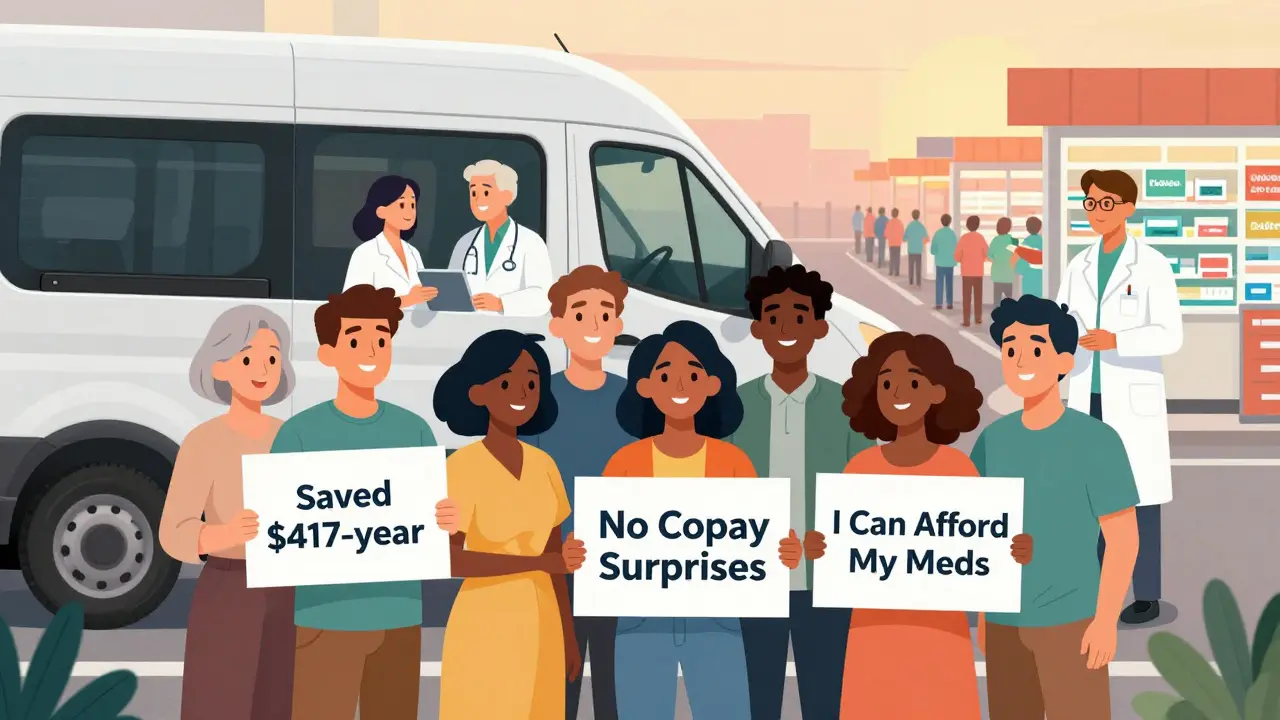
Reddit users like ‘MedSavvy2025’ report saving $417 a year on generic blood pressure meds. Trustpilot reviews for Honeybee Health show 68% of positive feedback is about price transparency. Yelp reviews mention saving $120 on antidepressants. These aren’t outliers. They’re the new normal for a growing segment of the population.
The Catch: What These Services Can’t Do
It’s not all smooth sailing. DTC generic pharmacies have limits.
First, they don’t cover everything. Most platforms only offer a focused list of common generics-maybe 100-200 drugs max. If you need a rare or specialty medication, you’re still stuck with a traditional pharmacy.
Second, insurance doesn’t always work with them. While some platforms are starting to integrate with insurance networks, most operate on a cash-pay model. That’s great if you’re paying out of pocket. Not so great if you rely on your plan to cover your meds.
Third, there’s no in-person pharmacist to talk to. Critics like Dr. Sarah Chen from Johns Hopkins warn this could lead to missed drug interactions. In 2025, Drug Topics documented 17 cases where potential interactions weren’t caught because no pharmacist reviewed the full med list. That’s why leading platforms now staff one pharmacist for every 5,000 active patients and offer 24/7 chat access.
Delivery times can also be slower. While your local pharmacy might give you your script in an hour, DTC services often take 3-5 business days. If you’re out of meds and need them now, this isn’t the solution.
Regulation Is a Minefield
Running a DTC pharmacy isn’t like launching an e-commerce store. You need a pharmacy license in all 50 states and Washington D.C. That process takes 14 to 18 months and costs over $2.3 million in legal and compliance fees. Only well-funded companies can afford it.
There’s also the issue of advertising. The FDA and FTC are watching closely. You can’t make claims like “cures diabetes” or “better than your doctor’s prescription.” Everything must be factual, clear, and compliant. Companies that cut corners risk fines, shutdowns, or worse.
And then there’s the legal gray zone around kickbacks. The Department of Justice is investigating whether some DTC platforms are offering incentives that violate the Anti-Kickback Statute. No major actions yet-but the risk is real.
What’s Next for DTC Generic Pharmacies?
The future isn’t about replacing traditional pharmacies. It’s about coexisting with them.
Eighty-three percent of pharmaceutical executives surveyed in 2025 said they’re building hybrid models-offering DTC for some drugs while staying in the traditional system for others. That’s smart. Not everyone wants to order meds online. Some people need face-to-face care. But for millions of others, the old way is broken.
Expect more innovation: AI-powered refill reminders, real-time drug interaction alerts, integration with wearable health devices, and even blockchain tracking to verify drug authenticity. Platforms that add these features will win.
And prices? They’ll keep falling. As more players enter the market and supply chains get more efficient, the cost of generics will drop even further. The days of paying $100 for a 30-day supply of a generic drug are numbered.
Is This Right for You?
If you take one or more generic medications regularly, and you’re paying cash-or your insurance doesn’t cover them well-this is worth exploring. Here’s how to decide:
- Do you need fast access? If yes, stick with your local pharmacy.
- Are you on a tight budget? If yes, DTC could save you hundreds a year.
- Do you take complex meds? If yes, talk to your doctor before switching.
- Do you prefer human interaction? If yes, use DTC for refills only, not new prescriptions.
Start small. Try one medication. Compare the price. Check delivery times. See how the customer service feels. If it works, expand. If not, you’re no worse off.
This isn’t a revolution. It’s an evolution. And for the first time in decades, patients are finally getting a fair shot at affordable, reliable access to the medicines they need.
Are DTC generic pharmacies safe?
Yes, if they’re licensed and compliant. Reputable platforms like Ro and Honeybee Health are licensed in all 50 states, use FDA-approved medications, and follow HIPAA and pharmacy board rules. Always check if the site lists its pharmacy license number and has a licensed pharmacist available for questions. Avoid sites that don’t require a prescription or offer drugs at prices that seem too good to be true-they’re likely selling counterfeit or unregulated products.
Can I use my insurance with DTC pharmacies?
Most don’t accept insurance yet. They operate on a cash-pay model to keep prices low and avoid the complexity of PBM negotiations. A few newer platforms are starting to integrate with insurance networks, but it’s still rare. If you rely on insurance to cover your meds, check with your plan first. You might still save money by paying cash through a DTC pharmacy, even if your insurance doesn’t cover it.
How long does delivery take?
Most DTC pharmacies deliver within 3 to 5 business days after your prescription is approved. Some offer expedited shipping for an extra fee. That’s slower than picking up your script at a local pharmacy, but faster than waiting for a mail-order pharmacy through your insurer. If you need medication immediately, keep a small supply on hand or use your local pharmacy for emergencies.
What if I have side effects or questions?
Leading platforms provide 24/7 access to pharmacists via chat or phone. You can ask about side effects, interactions, or how to take your meds correctly. Some even send follow-up messages asking how you’re doing. If you’re unsure, don’t hesitate to reach out. But remember, these services aren’t a substitute for your primary care provider. For serious concerns, always contact your doctor.
Can I get any generic drug through DTC pharmacies?
No. Most platforms focus on the most commonly prescribed generics-like metformin, lisinopril, sertraline, levothyroxine, and atorvastatin. They don’t carry specialty drugs, controlled substances, or infrequently used medications. If your drug isn’t on their list, you’ll need to use a traditional pharmacy or ask your doctor about alternatives.
Bennett Ryynanen
January 1, 2026 AT 05:43This is fucking revolutionary. I’ve been paying $90 a month for sertraline at CVS-now I get it for $25 delivered. No insurance hassle, no waiting in line, no fucking middlemen skimming off the top. I wish I’d found this three years ago.
Chandreson Chandreas
January 2, 2026 AT 11:46Wow. 🌱 Real talk-this is what healthcare should look like. No drama, no games. Just medicine you can afford. I’m from India, and we’ve had this for years with local online pharmacies, but seeing it finally catch on in the US? It’s about damn time. Keep it real, keep it cheap, keep it simple.
Darren Pearson
January 2, 2026 AT 15:04While the economic efficiencies presented are statistically compelling, one must interrogate the structural integrity of this model under regulatory scrutiny. The absence of in-person pharmaceutical oversight introduces non-trivial clinical risk vectors, particularly concerning polypharmacy and drug-interaction monitoring. One cannot simply substitute convenience for clinical rigor.
Frank SSS
January 4, 2026 AT 03:52Yeah, sure, save money. But what happens when you get a bad batch? Or your pharmacist doesn’t catch that your new antidepressant clashes with your beta-blocker? And don’t even get me started on the delivery delays-I ran out of lisinopril last month and had to beg my neighbor for a spare pill. This isn’t convenience, it’s gambling with your health.
Also, who the hell is ‘MedSavvy2025’? Sounds like a bot.
Paul Huppert
January 6, 2026 AT 00:23Has anyone tried this with birth control? I’m curious if the refill reminders actually work or if it’s just another app that pings you once and then ghosts you.
Branden Temew
January 6, 2026 AT 15:24So we’re celebrating capitalism finally realizing people need medicine and not a 17-step bureaucratic obstacle course? Who would’ve thought? Next they’ll invent a way to breathe air without paying a subscription fee.
Harriet Hollingsworth
January 8, 2026 AT 04:56This is dangerous. You’re letting strangers on the internet prescribe your pills? What if someone lies about their allergies? What if the website gets hacked? This isn’t innovation-it’s negligence dressed up as a startup pitch. People are dying because of this.
Deepika D
January 8, 2026 AT 23:05Let me tell you something-I’m a pharmacist in Delhi, and I’ve been helping patients order generics online for over a decade. This model works, but only if you’re smart about it. Always check the license number on the site-look for the state pharmacy board seal. Don’t just click ‘buy now.’ And if they don’t have a live pharmacist chat? Walk away. Also, start with one med, like your BP pill, and see how the delivery feels. Don’t switch everything at once. I’ve seen too many people panic when their meds arrive a day late. Give it time. The savings are real, but safety comes first. And yes, the refill reminders? They’re actually pretty good if you pick a platform with real customer service-not just automated bots saying ‘your order is on its way.’ Trust me, I’ve seen the bad ones. Stick with Ro or Honeybee. They’re legit. And if you’re on a tight budget? You’re not being reckless-you’re being smart. This is how healthcare evolves. Not with protests. Not with politics. With people just… getting what they need. Without the BS.