
Common Variable Immunodeficiency (CVID): Symptoms, Diagnosis & Treatment Options
 Feb, 4 2026
Imagine getting sick with a cold every few weeks, and it doesn’t go away easily. For people with Common Variable Immunodeficiency (CVID), this is a daily reality. CVID is a primary immunodeficiency disorder where the body can’t produce enough antibodies to fight infections. It affects roughly 1 in 25,000 to 50,000 people worldwide and was first identified in the 1950s. Without treatment, frequent infections can lead to severe complications like lung damage or autoimmune disorders.
What is CVID?
CVID stands for Common Variable Immunodeficiency. It’s a condition where the immune system fails to make sufficient antibodies-proteins that protect against germs. This leaves people vulnerable to infections from bacteria, viruses, and fungi. Unlike temporary immune weaknesses from illnesses like the flu, CVID is lifelong and often genetic. Experts estimate about 60% of cases have no known genetic cause, though mutations in genes like TACI (TNFRSF13C) and BAFF-R are linked to some cases. The European Society for Immunodeficiencies defines CVID by blood test results: IgG levels below 500 mg/dL, IgA below 7 mg/dL, and poor response to vaccines like pneumococcal shots.
Symptoms and Diagnosis
Most people with CVID notice symptoms between ages 20 and 40. Frequent respiratory infections are the biggest red flag-sinusitis, pneumonia, or bronchitis that keep coming back. About 35% of pneumonia cases in CVID patients involve Haemophilus influenzae, and 28% involve Streptococcus pneumoniae. Gastrointestinal issues like chronic diarrhea or weight loss also occur in 30-50% of cases. Diagnosis starts with blood tests checking IgG, IgA, and IgM levels. Normal IgG is 700-1600 mg/dL; CVID patients often have levels below 400 mg/dL. Doctors also test how well the immune system responds to vaccines. Many patients wait 8.2 years on average before getting diagnosed correctly, with 68% seeing three or more doctors first.
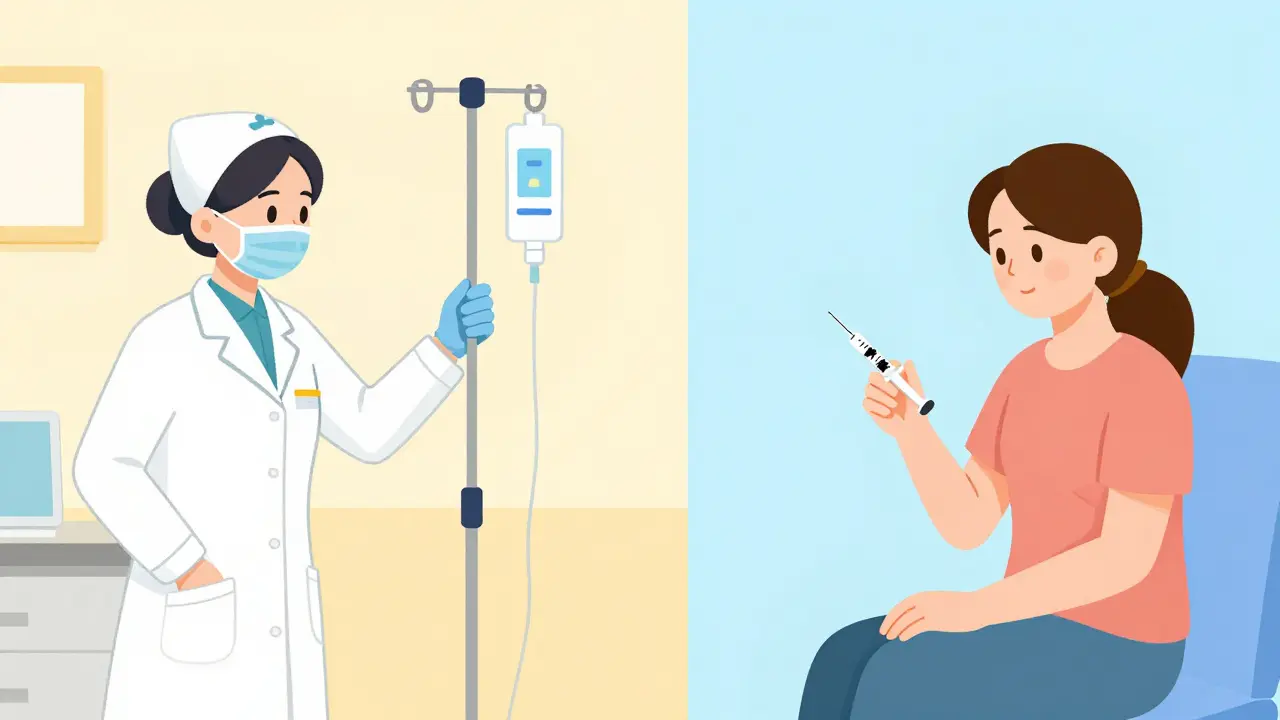
Treatment Options: IVIG vs SCIG
Immunoglobulin replacement therapy is the standard treatment for CVID. This involves infusing purified antibodies from donated blood plasma into patients. Two main delivery methods exist:
| Aspect | IVIG | SCIG |
|---|---|---|
| Administration | IV drip in clinic | Under skin at home |
| Frequency | Every 3-4 weeks | Weekly or biweekly |
| Common Side Effects | Headache (68%), chills (42%), nausea (37%) | Injection site redness or swelling (25-40%) |
| Typical Cost (US) | $65,000-$95,000/year | $70,000-$100,000/year |
| Learning Curve | Minimal | 3-5 sessions to master |
Most patients start with IVIG because it’s widely available, but many switch to SCIG for convenience. A 2023 survey by the Primary Immune Deficiency Foundation showed 85% of SCIG users report fewer infections (from 10.3 to 2.1 per year) and 78% feel more energetic within three months. However, plasma shortages may soon raise treatment costs by 15-20% annually.
Complications and Risks
CVID doesn’t just cause infections-it can trigger serious secondary issues. About 25% of patients develop autoimmune disorders like immune thrombocytopenia (ITP) or rheumatoid arthritis. Lung damage from repeated pneumonia affects 65% by age 50, compared to 15% in healthy adults. The risk of lymphoma is 20-50 times higher than in the general population. Early treatment with immunoglobulin therapy improves survival rates significantly. Before the 1980s, CVID patients lived to about 33 years on average. Today, consistent treatment extends life expectancy to 59 years.

Current Research and Future Treatments
Scientists are working on better ways to treat CVID. In 2023, the FDA approved Genentech’s atacicept drug, which targets B cell activation pathways. Phase III trials showed a 37% reduction in severe infections compared to standard therapy alone. New diagnostic criteria from the European Society for Immunodeficiencies (2023) now use 23 clinical and lab parameters to distinguish CVID from similar conditions. Researchers like Dr. Sergio Rosenzweig predict genomic profiling will identify specific CVID subtypes within five years, enabling targeted treatments. For now, immunoglobulin therapy remains the gold standard, but ongoing studies on gene therapies and biologics offer hope for the future.
Living with CVID
Managing CVID requires ongoing care and support. Patients often need regular blood tests to monitor IgG levels, with targets set above 800 mg/dL to prevent infections. Support groups like the Immune Deficiency Foundation connect over 15,000 members worldwide through local meetings and annual conferences. Many patients share tips for handling side effects-using ice packs for IVIG headaches or rotating injection sites to minimize SCIG reactions. While there’s no cure, most people with CVID lead full lives with proper treatment. As one patient wrote on Reddit: "After starting SCIG, I went from missing work every month to hiking with my kids. It’s not perfect, but it works."
What causes CVID?
CVID is caused by defective B cell function, leading to low antibody production. While genetic mutations in genes like TACI, BAFF-R, and CD19 play a role in some cases, about 60% of patients have no identified genetic cause. It’s not contagious and usually develops in adulthood, though rare childhood cases exist.
How is CVID diagnosed?
Diagnosis involves blood tests measuring IgG, IgA, and IgM levels. IgG must be below 500 mg/dL, IgA below 7 mg/dL, and patients must show poor response to vaccines like pneumococcal shots. Doctors also rule out other conditions like HIV or cancer. Many patients face delays of 8+ years before getting the correct diagnosis.
Can CVID be cured?
No, there’s no cure for CVID. However, immunoglobulin replacement therapy effectively manages symptoms for most patients. Research into gene therapies and targeted biologics is ongoing, but current treatments focus on replacing missing antibodies to prevent infections and complications.
What are the side effects of immunoglobulin therapy?
IVIG commonly causes headaches (68% of reactions), chills (42%), and nausea (37%). SCIG often leads to injection site reactions like redness or swelling in 25-40% of patients. These side effects usually improve with dose adjustments or premedication. Serious reactions like anaphylaxis are rare but require immediate medical attention.
Is CVID hereditary?
Most cases aren’t inherited, but about 10-15% have family members with similar immune issues. Genetic mutations linked to CVID (like TACI) can be passed down, but the condition often appears in people with no family history. Genetic counseling is recommended for families with known mutations.
Can children get CVID?
Yes, though it’s rare. About 15% of CVID cases start in childhood, usually between ages 5 and 10. Symptoms in kids include recurrent ear infections, pneumonia, and chronic diarrhea. Early diagnosis is critical because untreated CVID can stunt growth and development. Pediatric immunologists specialize in managing childhood CVID cases.
How does CVID differ from other immunodeficiencies?
Unlike X-linked agammaglobulinemia (XLA), which affects boys and has near-zero B cells, CVID patients have normal B cell counts but dysfunctional antibody production. It also differs from Selective IgA Deficiency, which only involves low IgA levels without IgG or IgM issues. CVID causes more varied symptoms and higher complication risks than milder immunodeficiencies.
jan civil
February 5, 2026 AT 14:26SCIG reduces annual infections from 10.3 to 2.1. Consistency is key.
Carl Crista
February 6, 2026 AT 10:00Big Pharma manipulates survey data SCIG is cheaper but they push IVIG for profits No cure exists
Georgeana Chantie
February 8, 2026 AT 05:03CVID is a hoax created by the government Vaccines are the real cause Stop trusting Big Pharma
Lisa Scott
February 9, 2026 AT 01:25The Primary Immune Deficiency Foundation's data has methodological flaws Sample sizes are inadequate Industry funding introduces bias This is confirmation bias
Joyce cuypers
February 10, 2026 AT 06:02Been on SCIG for 4 years lif changin only issue cost but insurance covers it remember to rotate sites
lance black
February 10, 2026 AT 20:00Stay positive SCIG is the way to go Keep up the good work
Diana Phe
February 12, 2026 AT 05:30Government is hiding a cure They want people dependent on IVIG Look up the studies
Cullen Bausman
February 13, 2026 AT 15:49Such claims lack empirical evidence Medical community adheres to rigorous standards Please refrain from misinformation
Elliot Alejo
February 14, 2026 AT 04:01Premedication with antihistamines reduces SCIG side effects Simple fix that helps many
Brendan Ferguson
February 15, 2026 AT 11:08SCIG works No more hospital visits