
Cervical Cancer Prevention: HPV Vaccine and Pap Test Guide
 Jun, 16 2026
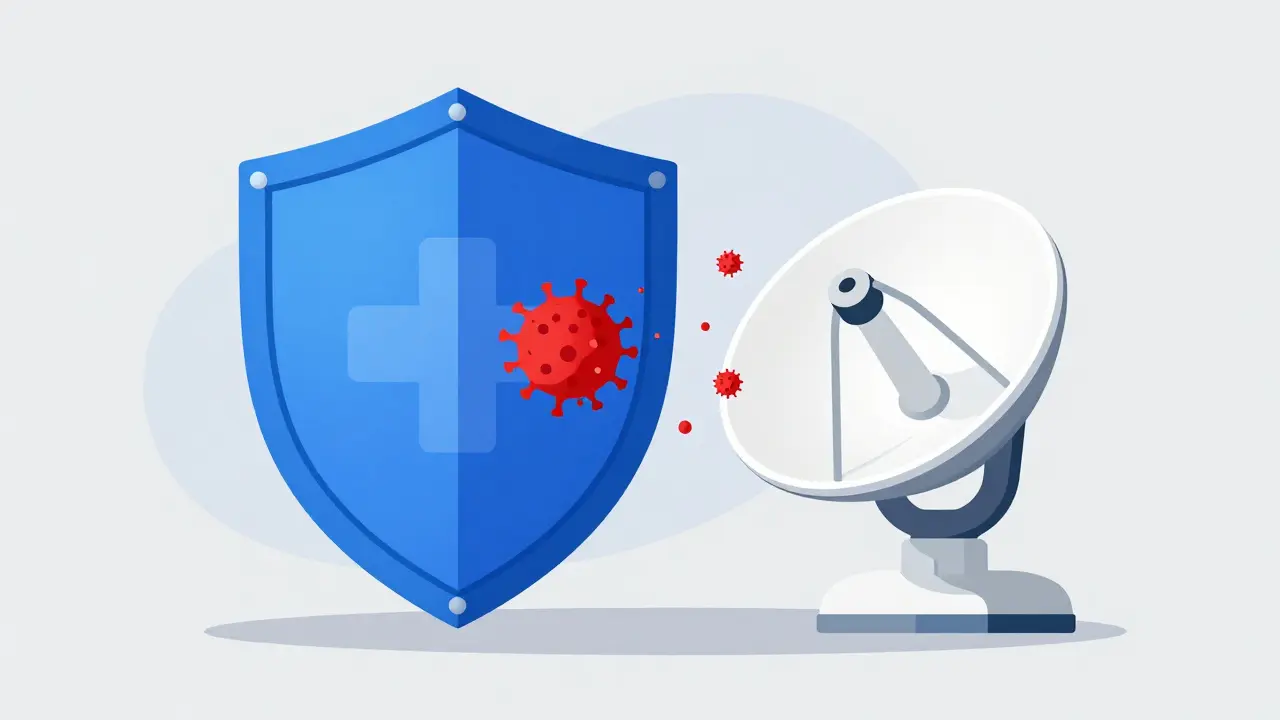
Cervical cancer is one of the few cancers we can actually prevent. It’s not a matter of luck or bad genes for most people; it’s about catching the virus that causes it before it does damage. The HPV vaccine and regular Pap tests are your two best tools. When you use them together, they work like a shield and a radar system. One stops the threat at the door, and the other spots any trouble that slipped through. If you’re wondering how to protect yourself or your daughter, this guide breaks down exactly what you need to know, when you need it, and why the timing matters so much.
How HPV Causes Cervical Cancer
To understand prevention, you first have to understand the enemy. Almost every case of cervical cancer starts with an infection called human papillomavirus, or HPV. You’ve probably heard of it as the cause of warts, but certain types of HPV are high-risk. Specifically, HPV types 16 and 18 are responsible for about 70% of all cervical cancers worldwide. These viruses infect the cells in the cervix-the lower part of the uterus that connects to the vagina. Most of the time, your immune system clears these infections on its own without you ever knowing. But sometimes, the virus stays. Over years, it changes the cells, turning them into precancerous lesions and eventually invasive cancer.
The good news? We have a way to stop those specific high-risk strains from taking hold in the first place. That’s where the vaccine comes in.
The Power of the HPV Vaccine
Gardasil-9 is currently the primary HPV vaccine available in the United States. It protects against nine different strains of the virus, covering the vast majority of cervical cancer cases. Earlier versions, like the bivalent (2 strains) and quadrivalent (4 strains) vaccines, laid the groundwork, but Gardasil-9 has become the standard since 2016 because it offers broader protection. It doesn’t just prevent cancer; it also prevents genital warts and other cancers linked to HPV, such as throat and anal cancers.
The effectiveness of this vaccine is staggering. A landmark study published in 2024 by researchers in Scotland looked at nearly 139,000 women who were vaccinated between ages 12 and 13. They found zero cases of invasive cervical cancer in that group. Zero. For girls vaccinated before age 17, earlier studies showed an 86% to 88% reduction in cervical cancer incidence. This isn’t just theory; it’s real-world data showing that if you get the shot young, you are incredibly safe.
Why does age matter? The vaccine works best before you are exposed to the virus. Since HPV spreads through skin-to-skin contact during sexual activity, getting vaccinated before sexual debut ensures your body builds immunity while it’s still naive to the virus. Your immune response is also stronger when you are younger. That’s why health experts push for early vaccination.
Who Should Get Vaccinated and When?
You don’t need to guess about the schedule. The Centers for Disease Control and Prevention (CDC) and the Advisory Committee on Immunization Practices (ACIP) have clear guidelines based on extensive research.
- Ages 9-12: This is the ideal window. Routine vaccination is recommended here because the immune response is strongest. If you start before age 15, you only need two doses, spaced six to twelve months apart. It’s simpler and less painful for kids.
- Ages 13-15: Still a great time to start. Two doses are sufficient if started before the 15th birthday.
- Ages 16-26: Catch-up vaccination is crucial. If you missed the earlier window, you should definitely get vaccinated. However, because your immune system responds differently as you age, you will need three doses. The schedule is typically dose one, then dose two one to two months later, and dose three six months after the first.
- Ages 27-45: This is a shared decision. Not everyone in this age range needs it, as many may have already been exposed to the virus. Talk to your doctor. If you are starting new relationships or haven’t been exposed to all nine strains covered by the vaccine, it can still provide benefit.
Recent breakthroughs might change this landscape globally. Trials in Kenya and Costa Rica have shown that a single dose of the HPV vaccine provides nearly 98% efficacy against high-risk strains even years later. The WHO has prequalified single-dose regimens, which could make vaccination accessible to millions more people in low-resource settings. While the U.S. still recommends two or three doses for maximum individual certainty, this science gives us hope for global eradication.
Pap Tests: The Safety Net
Even if you are vaccinated, you still need Pap tests. Here’s why: No vaccine is 100% perfect. Gardasil-9 covers nine strains, but there are other high-risk HPV types out there. Plus, if you were exposed to HPV before getting vaccinated, the vaccine won’t treat that existing infection. Pap testing acts as a safety net, catching cell changes before they turn into cancer.
The rules for screening have evolved. In the past, doctors relied heavily on the traditional Pap smear, which looks for abnormal cells under a microscope. Now, we have better tools. The American College of Obstetricians and Gynecologists (ACOG) updated their guidelines in 2023, shifting the focus toward HPV testing.
| Age Group | Screening Method | Frequency |
|---|---|---|
| Under 21 | No screening needed | N/A |
| 21-24 | Pap test alone | Every 3 years |
| 25-65 | HPV test alone (preferred) | Every 5 years |
| 25-65 | Co-testing (HPV + Pap) | Every 5 years |
| Over 65 | Stop screening if adequate prior history | N/A |
Notice the shift? For women aged 25 to 65, an HPV test alone every five years is now the preferred method. Why? Because finding the virus is often more accurate than waiting for cells to look weird. If the HPV test is negative, your risk of developing cervical cancer in the next five years is extremely low-so low that you don’t need to be bothered with annual exams. This reduces anxiety and unnecessary procedures.
If you are unvaccinated, stick to the Pap test every three years until you are 30, then consider switching to co-testing or HPV-only testing. Consistency is key. Skipping screenings is the biggest mistake people make.
Vaccine Safety and Common Concerns
I hear concerns about vaccines all the time. Is it safe? Will it affect fertility? Let’s look at the facts. The HPV vaccine has been studied extensively for nearly two decades. More than 98% of people develop protective antibodies after completing the series. Side effects are usually mild: soreness at the injection site, mild fever, or headache. Serious adverse events are exceedingly rare.
There is no link between the HPV vaccine and infertility or autoimmune diseases. These myths persist despite overwhelming evidence to the contrary. In fact, preventing cervical cancer preserves fertility far better than treating advanced cancer, which often requires hysterectomy or radiation. Dr. Kathleen Schmeler from MD Anderson Cancer Center notes that the data clearly shows the vaccine is extremely effective and safe. Don’t let misinformation keep you or your child unprotected.
Global Progress and Barriers
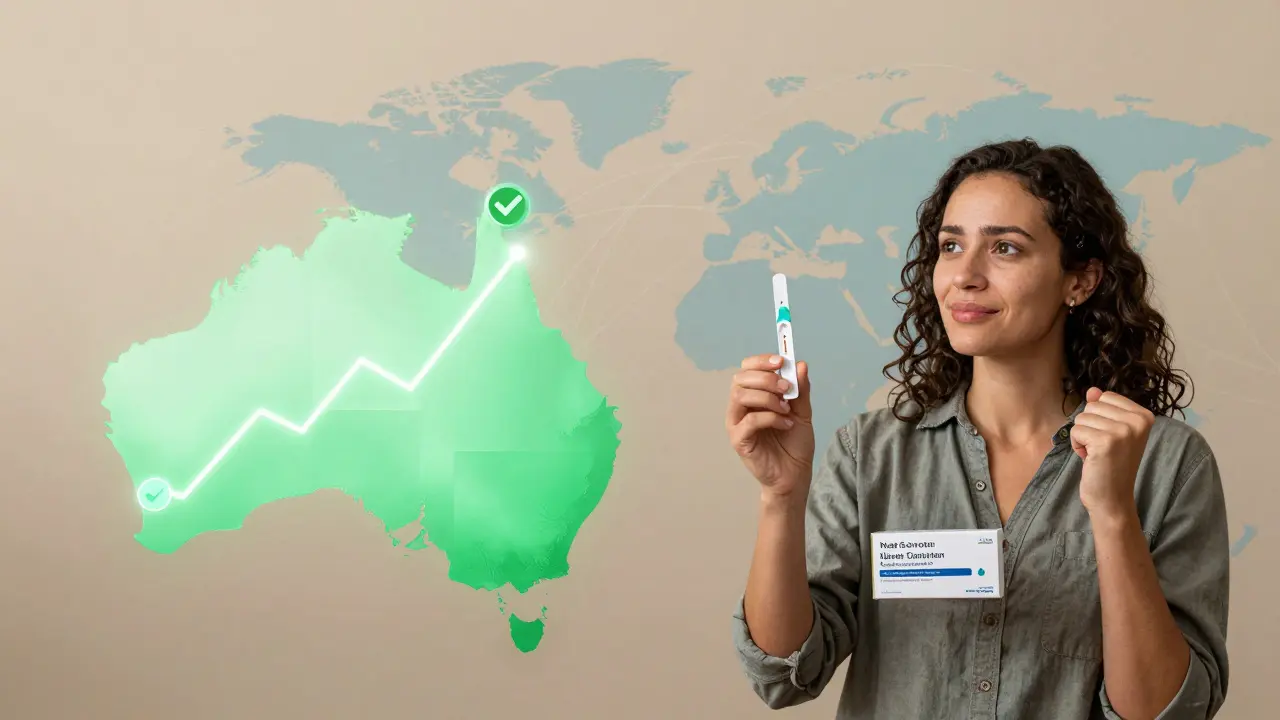
We are standing on the brink of eliminating cervical cancer as a public health problem. Countries like Australia, which introduced universal vaccination in 2007, project they will eliminate cervical cancer by 2028. Scotland is already seeing near-zero rates in vaccinated cohorts. The World Health Organization (WHO) has a strategy to reach 90% vaccination coverage in girls by age 15, 70% screening coverage for women, and 90% treatment coverage for those diagnosed.
However, the progress is uneven. In the U.S., vaccination rates hovered around 60% for adolescents in recent years, dropping further during the pandemic. Misinformation and access issues play a big role. Rural areas often lack clinics that offer both vaccination and screening. Meanwhile, 85% of cervical cancer deaths occur in low-income countries where infrastructure is limited. The introduction of single-dose protocols and self-sampling HPV tests (like the QIAsure test approved by the FDA in 2024) could help bridge this gap. Self-sampling allows women to collect their own sample at home, removing the barrier of uncomfortable clinical exams.
Your Action Plan
Prevention is simple, but it requires action. Here is what you should do today:
- Check your records: Do you know if you got your HPV shots? If you are under 26, find out. If you didn’t finish the series, go finish it. It’s never too late to get protected.
- Schedule your screening: If you are over 21, when was your last Pap or HPV test? If it’s been more than three years (for Pap) or five years (for HPV), book an appointment. Ask your doctor for an HPV test if you are over 25-it’s more accurate and less frequent.
- Talk to your teen: If you have a child aged 9 to 12, bring it up with their pediatrician. Frame it as routine health care, like a flu shot. Emphasize that it protects against cancer, not just warts.
- Know your risk: Even if you are vaccinated, don’t skip screenings. And if you have had abnormal results in the past, follow your doctor’s advice closely. Precancerous changes can be treated easily before they become cancer.
Cervical cancer is a disease of the past that we are actively pushing into extinction. By combining the power of the HPV vaccine with smart, modern screening, we can ensure that future generations never have to fear this diagnosis. Take control of your health today.
Is the HPV vaccine effective if I am already sexually active?
Yes, but it is most effective before exposure. If you are sexually active, you may have already encountered some HPV strains, but the vaccine protects against nine specific types. You likely haven't been exposed to all of them, so vaccination can still protect you from the ones you haven't caught. It is recommended for catch-up vaccination up to age 26, and considered for adults 27-45 based on discussion with a doctor.
Do I still need Pap tests if I got the HPV vaccine?
Absolutely. The vaccine does not cover all cancer-causing HPV strains, and it cannot treat existing infections. Pap tests and HPV screenings act as a safety net to detect any cell changes caused by strains not covered by the vaccine or exposures that happened before vaccination. Guidelines recommend continuing screening regardless of vaccination status.
What is the difference between a Pap test and an HPV test?
A Pap test looks for abnormal cells in the cervix under a microscope. An HPV test checks for the presence of the virus itself. HPV testing is now preferred for women aged 25-65 because detecting the virus is a more sensitive indicator of future risk. If the HPV test is negative, the risk of cervical cancer is very low for the next five years.
How many doses of the HPV vaccine do I need?
If you start the series before your 15th birthday, you only need two doses, spaced 6 to 12 months apart. If you start at age 15 or older, you need three doses. Recent studies show single-dose efficacy, but current U.S. guidelines still recommend two or three doses for optimal individual protection.
When should I stop getting cervical cancer screenings?
Most women can stop screening at age 65 if they have had adequate prior screening (e.g., three consecutive negative Pap tests or two consecutive negative HPV tests within the past 10 years) and no history of precancer or cancer. Always discuss your personal history with your healthcare provider before stopping.