
Biosimilars Explained: How They Work and Save You Money on Medication
 Aug, 12 2026
Imagine being prescribed a life-changing medication for rheumatoid arthritis or cancer, only to find out the monthly cost is nearly $7,000. It’s a nightmare scenario for millions of patients. But what if there was a version of that same drug that worked just as well but cost significantly less? That is exactly where biosimilars come in. These are not your typical generic pills. They are complex biological products designed to be highly similar to existing reference biologics, offering a crucial pathway to lower healthcare costs without sacrificing safety or efficacy.
If you have ever wondered why your doctor might suggest switching from a brand-name biologic to a biosimilar, or if you are worried about whether these alternatives are truly safe, you are not alone. The confusion around biosimilars is widespread, largely because they sit in a gray area between traditional generics and new drugs. This guide cuts through the jargon to explain what biosimilars actually are, how they differ from the medications you know, and most importantly, how they impact your wallet and your health.
What Exactly Is a Biosimilar?
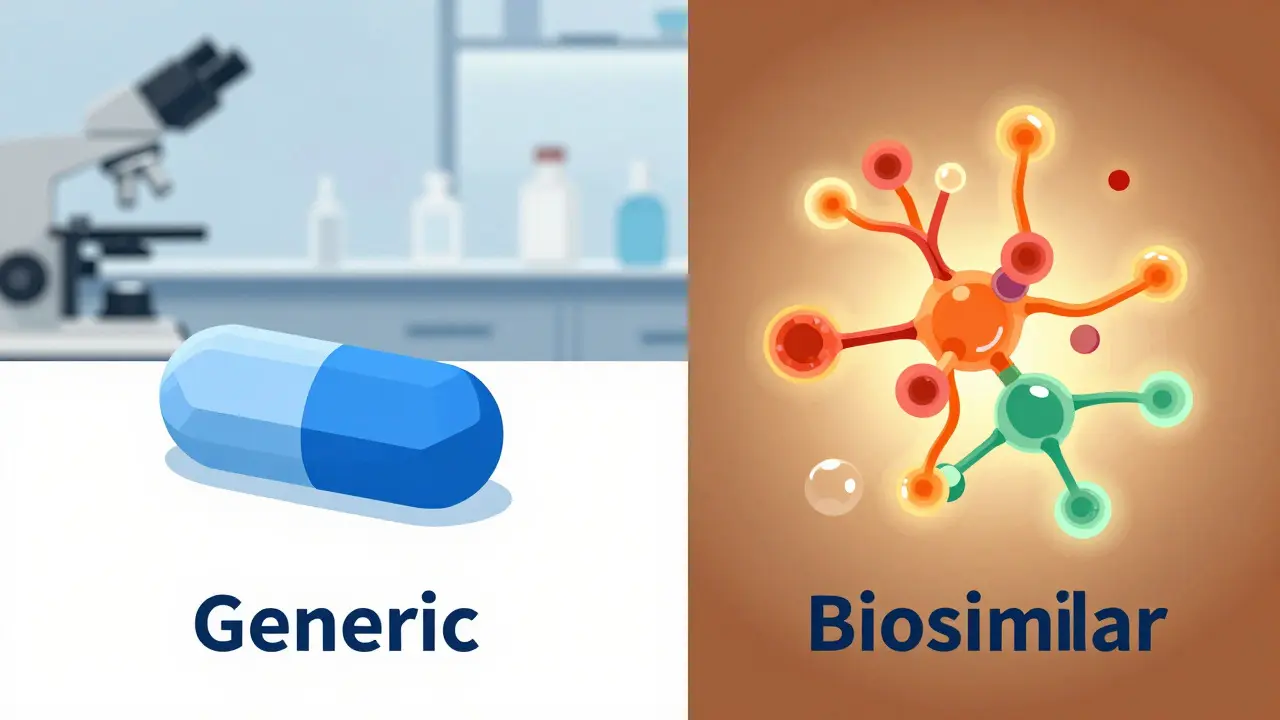
To understand biosimilars, we first need to distinguish them from the small-molecule drugs you buy at the pharmacy counter, like aspirin or ibuprofen. Those chemical drugs are simple structures that can be copied exactly. When a patent expires, companies make generic versions that are chemically identical to the original. A generic pill works the same way, has the same strength, and costs a fraction of the price.
Biosimilars are different. They are made from living organisms-like yeast, bacteria, or animal cells-rather than pure chemistry. Because they are produced by living things, it is impossible to create an exact copy. Think of it like baking bread. Even if two bakers use the exact same recipe and ingredients, the loaves will look slightly different due to variations in temperature, humidity, and the yeast itself. In the pharmaceutical world, this means every batch of a biologic drug has minor natural variations.
The U.S. Food and Drug Administration (FDA) defines a biosimilar as a product that is "highly similar" to an already approved reference product, with no clinically meaningful differences in terms of safety, purity, and potency. This definition is key. "Highly similar" does not mean "identical," but it does mean that any differences are too small to matter when it comes to treating your condition. The regulatory pathway for these drugs was established by the Biologics Price Competition and Innovation Act (BPCIA) of 2009, which created the legal framework for their approval in the United States.
The Science Behind the Similarity
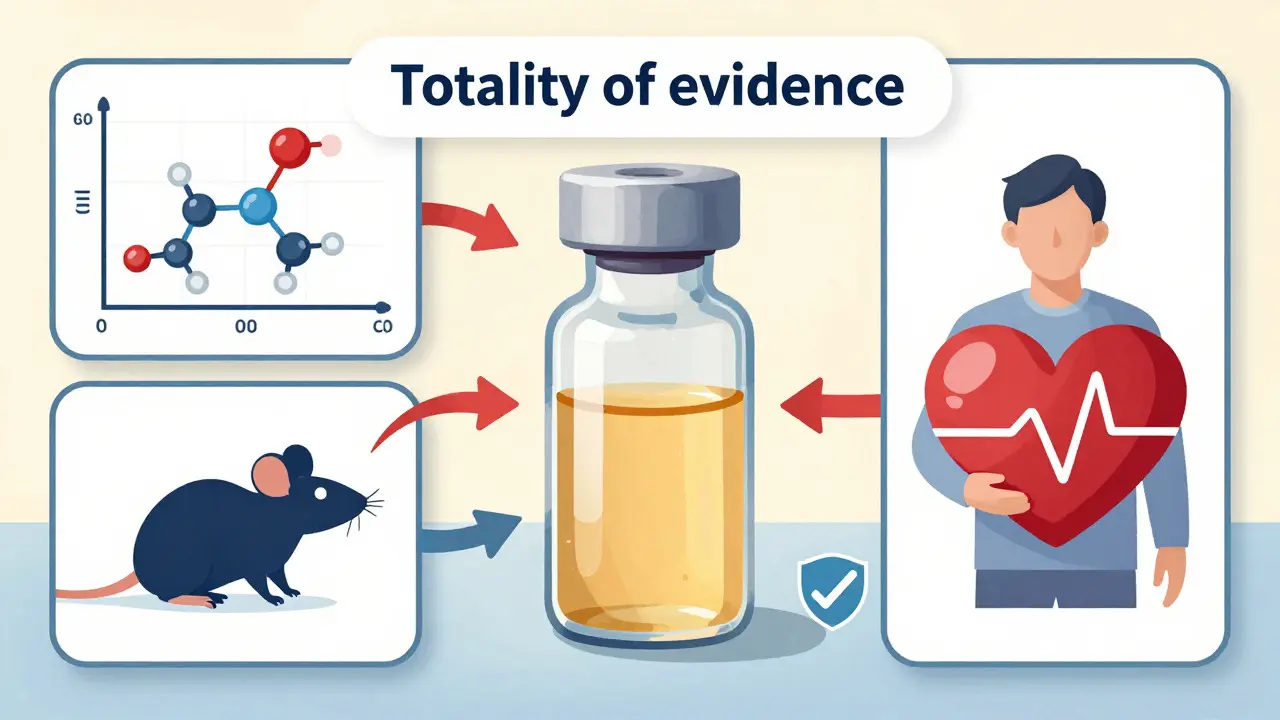
You might be asking, "How do regulators prove that a biosimilar is safe if it isn't an exact copy?" The answer lies in a rigorous process known as the "totality of evidence" approach. Before a biosimilar reaches the market, it undergoes extensive testing that often exceeds the requirements for new drugs.
The manufacturing process requires demonstrating that structural variability does not exceed acceptable limits. Scientists compare the biosimilar to the reference product across multiple dimensions:
- Analytical Studies: These examine the physical and chemical structure of the molecule to ensure high similarity.
- Non-Clinical Studies: Animal studies are conducted to check for functional characteristics and potential toxicity.
- Clinical Studies: Human trials assess pharmacokinetics (how the body absorbs the drug), pharmacodynamics (how the drug affects the body), and immunogenicity (whether the body develops antibodies against the drug).
Dr. Gary Lyman, a professor at the Fred Hutchinson Cancer Research Center, notes in his editorial work that biosimilars have demonstrated equivalent efficacy and safety profiles compared to their reference products across thousands of patients in clinical trials. The European Medicines Agency (EMA), which approved the world's first biosimilar in 2006, reports over 16 years of post-marketing surveillance showing no unexpected safety issues. This robust data backbone is what allows doctors to prescribe these medications with confidence.
Biosimilars vs. Generics: What’s the Difference?
One of the biggest sources of confusion is mixing up biosimilars with generic drugs. While both aim to reduce costs after a patent expires, their paths to market and substitution rules are vastly different.
| Feature | Generic Drugs | Biosimilars |
|---|---|---|
| Source Material | Chemical synthesis | Living organisms (cells, yeast, bacteria) |
| Similarity to Original | Chemically identical | Highly similar, not identical |
| Approval Pathway | Abbreviated New Drug Application (ANDA) | Biosimilar License Application (BLA) |
| Substitution | Automatic at pharmacy level in most states | Requires physician involvement in most cases |
| Cost Savings | Typically 80-85% lower | Typically 15-30% lower initially |
The table above highlights why biosimilars require more scrutiny. Unlike generics, which can be swapped automatically by a pharmacist, biosimilars usually require a decision by your healthcare provider. This is because the complexity of the molecule demands a higher level of oversight to ensure the specific product matches the patient's treatment plan.
Understanding Interchangeability
Within the category of biosimilars, there is a special designation called "interchangeable." This term carries significant weight for patients and prescribers. An interchangeable biosimilar meets all the standard biosimilar requirements plus additional criteria set by the FDA.
To earn this status, a manufacturer must provide evidence that the biosimilar can be switched back and forth with the reference product multiple times without increasing safety risks or reducing effectiveness. As of late 2023, only a handful of products held this designation. Why does it matter? In some states, state laws allow pharmacists to substitute an interchangeable biosimilar for the reference product without consulting the prescribing doctor, similar to how generics are handled. However, even with interchangeable status, many providers prefer to remain involved in the decision to maintain continuity of care and address any patient concerns directly.
The Real Cost Implications
Let’s talk money, because that is likely why you clicked on this article. The primary driver behind the push for biosimilars is cost reduction. Biologic drugs are among the most expensive medications on the market. For example, Humira, a blockbuster biologic used for autoimmune diseases, had a list price of around $7,000 per month before its patent expired.
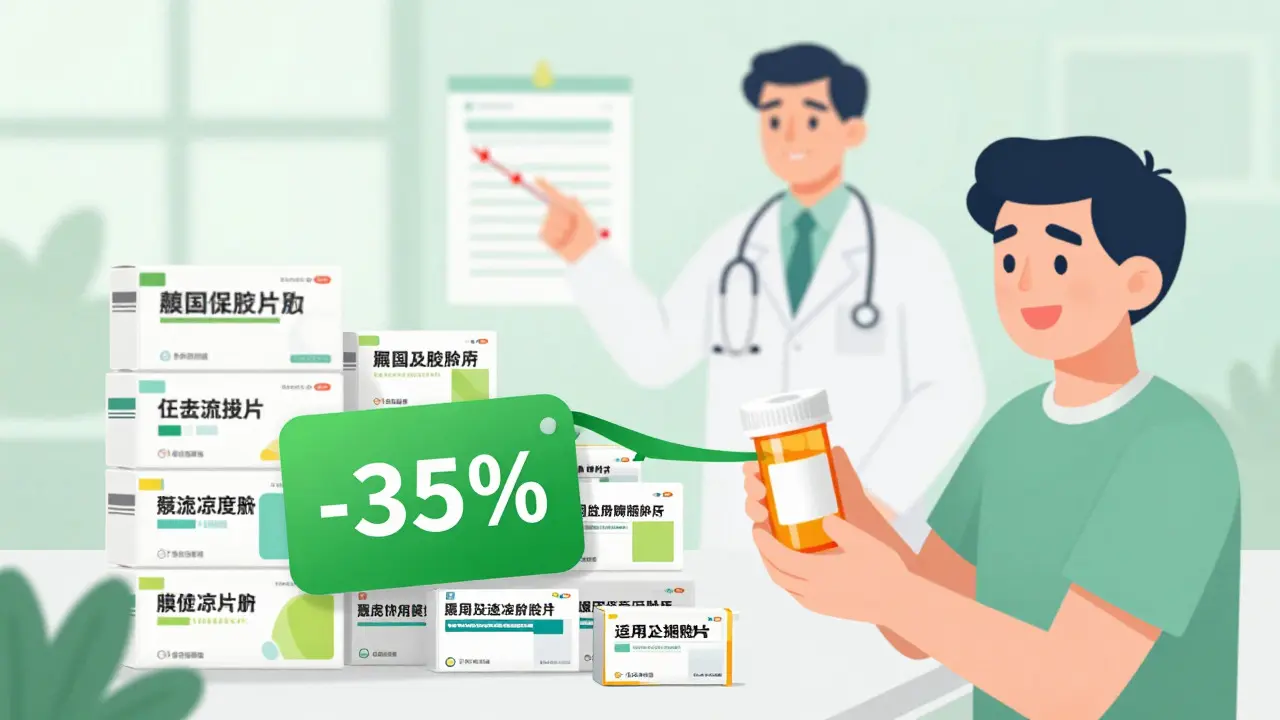
When biosimilars for Humira launched in the U.S. in 2023, they offered list prices approximately 35% lower than the reference product. While a 35% discount sounds good, it doesn't always translate directly to patient savings due to the complex web of insurance negotiations, rebates, and copays. However, the long-term outlook is promising. A study by the RAND Corporation projected that biosimilars could save the U.S. healthcare system billions of dollars over time. The Congressional Budget Office has estimated that widespread adoption could eventually save $150 billion annually by 2030.
In Europe, where biosimilars have been available longer, the savings are more pronounced. Markets there have seen biosimilars capture up to 84% of certain drug categories within three years of launch, driving down prices through intense competition. In the U.S., adoption has been slower due to patent litigation and "product hopping" strategies by manufacturers, but the trend is accelerating. The Inflation Reduction Act of 2022 further incentivized adoption by reducing Medicare Part D cost-sharing for biosimilars, making them more accessible to seniors starting in 2024.
Safety and Patient Experience
Despite the scientific consensus on safety, patient anxiety remains a real barrier. A 2022 survey by the Arthritis Foundation found that while 87% of users reported no difference in effectiveness compared to reference biologics, 28% still harbored initial concerns about efficacy. This fear is understandable; switching a chronic disease medication feels risky.
However, real-world data supports the science. The NOR-SWITCH trial, published in *The Lancet*, showed no increased risk of immunogenicity (the body attacking the drug) when patients switched from a reference product to a biosimilar. Dr. Almut Winterstein from the University of Florida cautions that while single switches are safe, multiple switches between different brands require monitoring. This is why clear communication with your doctor is vital. If you are switched to a biosimilar, ask questions. Understand why the switch is happening and what to look out for. Most patients report that once they see the lower out-of-pocket costs and experience the same therapeutic benefit, their concerns fade quickly.
Navigating Your Treatment Plan
If your doctor suggests a biosimilar, here is how to navigate the conversation effectively:
- Ask About Substitution Laws: Check if your state allows automatic substitution for interchangeable biosimilars. If not, expect your doctor to sign off on the change.
- Review Insurance Coverage: Contact your insurer to understand the tier placement. Often, biosimilars are placed on a preferred tier with lower copays than the reference biologic.
- Monitor for Side Effects: Keep a log of any new symptoms after the switch. While rare, individual responses can vary, and early detection helps manage care.
- Educate Yourself: Use resources like the FDA’s Purple Book or the Biosimilars Council’s toolkit to verify information. Avoid relying solely on anecdotal online reviews, which often focus on insurance hassles rather than medical efficacy.
The landscape of biologic treatments is evolving rapidly. With major patents expiring for drugs like Stelara and Enbrel, more biosimilars are entering the pipeline. For patients, this means more choices and potentially greater affordability in the coming years. By understanding what biosimilars are and how they work, you empower yourself to make informed decisions about your health and your finances.
Are biosimilars as effective as the original biologic drugs?
Yes. Clinical trials and real-world data consistently show that biosimilars have equivalent efficacy and safety profiles to their reference products. The FDA requires extensive testing to prove there are no clinically meaningful differences in how well the drug treats the condition.
Why aren't biosimilars cheaper than generic drugs?
Biosimilars are more expensive to develop and manufacture than generic drugs because they are made from living cells, requiring complex facilities and rigorous quality control. Additionally, the regulatory approval process is more lengthy and costly. Consequently, while generics typically offer 80-85% savings, biosimilars generally start with 15-30% savings, though prices drop as more competitors enter the market.
Can my pharmacist switch me to a biosimilar without telling my doctor?
It depends on your state laws and whether the biosimilar is designated as "interchangeable." In most U.S. states, pharmacists cannot automatically substitute biosimilars for reference products unless the doctor agrees or the product has interchangeable status and local laws permit it. Always check with your provider to ensure continuity of care.
Is it safe to switch between a reference biologic and a biosimilar multiple times?
Current evidence suggests that switching once is safe. However, experts recommend caution regarding multiple switches between different brands or back-and-forth switching. While studies on single switches show comparable outcomes, frequent changes may increase the risk of immunogenicity. Consult your doctor before making any changes to your regimen.
How do I find out if a biosimilar is available for my medication?
You can search the FDA’s Purple Book, which lists all approved biosimilars and their reference products. Additionally, your doctor or pharmacist can inform you if a biosimilar alternative exists for your current prescription and whether it is covered by your insurance plan.